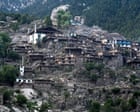
Torrential monsoon rainfall triggered a series of catastrophic flash floods across eastern Afghanistan's mountainous Nuristan province on July 20, 2026, leaving at least 20 people dead, more than 80 injured, and over 100 missing.
The disaster struck Parun, the provincial capital, tearing through its commercial and administrative core. Local officials confirmed that floodwaters completely swept away municipal offices, hotels, market stalls, and homes located along the riverside. Among those reported missing is Parun's mayor alongside multiple regional government workers.
Search-and-rescue teams from the Afghanistan National Disaster Management Authority (ANDMA) deployed to the area, though difficult terrain, damaged roads, and scattered heavy boulders left residents digging through debris by hand without heavy machinery.
Disaster Impact Overview (Parun, Nuristan)
--------------------------------------------------
Confirmed Deaths:      20
Reported Missing:     100+
Injured:               80+
Worst Hit Area:        Parun Riverside Market District
Primary Cause:         Monsoon Flash Floods
--------------------------------------------------
What Made the Nuristan Flash Floods So Severe
People often wonder why summer storms in mountainous regions turn fatal so quickly. The geography of eastern Afghanistan acts like a funnel during peak monsoon periods.
When heavy downpours hit steep, deforested mountainsides, water doesn't soak into the ground. It rushes downhill in minutes. Narrow valleys collect this runoff, turning small streams into raging torrents of mud, trees, and heavy rock.
In Parun, major public buildings and local markets sat right near the water's edge. When the water surged on Monday, people had almost no warning.
Ashiqullah Safi, who heads the local NGO Shpoul in Parun, noted that floodwaters left massive boulders strewn across town after destroying the entire municipal compound. When water moves with enough force to shift boulders, standard structures stand little chance.
How Mountain Topography Accelerates Flash Floods

Rainfall on High Peaks
        │
        ▼
Runoff Down Steep Slopes (No Vegetation Cushion)
        │
        ▼
Funneled Into Narrow River Valleys
        │
        ▼
Flash Flood Hits Low-Lying Towns Below
The Broader Regional Monsoon Crisis Across South Asia
This disaster isn't an isolated event. It's part of a broader, hyper-active monsoon system causing widespread chaos across South Asia throughout July 2026.
- India: Extreme rain triggered flooding and landslides that killed at least 25 people across northern and northeastern states.
- Nepal: Monsoon-driven landslides, lightning strikes, and flash floods claimed 27 lives and injured 69 others within the same timeframe.
- Pakistan: Seasonal downpours continue to overwhelm drainage systems and isolated rural villages bordering eastern Afghanistan.
Afghanistan ranks among the most climate-vulnerable countries on earth. Decades of conflict, severe environmental degradation, and a lack of modern early warning infrastructure mean that routine weather events quickly transform into human tragedies.
Practical Steps for Emergency Preparedness in High-Risk Zones
If you live in or operate near high-risk mountain flood zones during the monsoon season, taking proactive measures saves lives:
- Identify High-Ground Escape Routes: Know exact paths to elevated ground that don't cross low-lying bridges or stream beds.
- Monitor River Levels Manually: In regions lacking automated weather alerts, assign community spotters to monitor water clarity and rise rates during heavy rain. Sudden muddying of river water often signals an upstream flash flood or landslide dam failure.
- Avoid Valley Floor Structures: Refrain from building homes, temporary shelters, or commercial stalls directly in seasonal river corridors.
- Support Local Relief Coordination: Direct donations to vetted international relief organizations operating on the ground in eastern Afghanistan to supply heavy lifting gear, clean drinking water, and emergency medical kits.