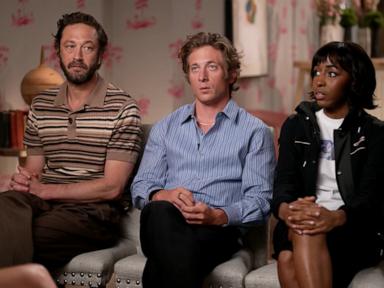
The kitchen is finally getting cold. FX just confirmed what many of us suspected after that stressful, chaotic ride through the culinary underworld. The upcoming fifth season of The Bear will be its last. It hits Hulu on June 25, and the cast is already out there doing the media rounds, saying their goodbyes, and dropping hints about how this intense Chicago story wraps up.
Some fans are devastated. They want ten seasons of Carmy screaming "Yes, chef!" in a cramped kitchen. They want a lifetime of cousin Richie finding his purpose through perfectly polished forks.
They're wrong. Ending the show now is the smartest move creator Christopher Storer could make.
Television history is littered with brilliant shows that stayed at the party way too long. They dilute their own legacy just to keep the network checks rolling in. The Bear is too fast, too intense, and too tightly wound to survive that kind of slow, painful stretch. It needs to burn bright and burn out.
Let's break down exactly what the cast is revealing about the final episodes and why this sudden end makes total narrative sense.
The Shocking Premise of the Final Outing
The red carpet interviews from the New York premiere dropped a massive bombshell about where we start. If you thought the end of the previous season left things up in the air, the opening of season five blows the whole kitchen apart.
Word from the cast is that the final season picks up immediately the morning after a massive crisis. Carmy Berzatto, played with that signature hollow-eyed panic by Jeremy Allen White, has done something drastic. He walked away from the restaurant industry entirely.
Let that sink in.
The central engine of the show is Carmy's obsessive, toxic dedication to culinary perfection. Now, Sydney, Richie, and Natalie are left standing in the rubble. They have an expensive restaurant to run. They have zero money. They have no clear plan. Yet, they still have that insane, looming goal of securing a Michelin star.
This sets up a beautiful, desperate dynamic. For four seasons, Carmy was the sun that the rest of the characters orbited. His trauma dictated the menu. His panic attacks set the pace of the kitchen line. Removing him from the immediate equation forces everyone else to step into the light. Or sink into the dark.
Ayo Edebiri's Sydney now faces the ultimate test. Is she a leader when the brilliant, broken mentor isn't there to catch her or yell at her? Ebon Moss-Bachrach's Richie has to prove that his suit-wearing, hospitality-focused transformation wasn't just a temporary phase. He has to hold the front of the house together while the back of the house is literally missing its captain.
What the Cast Is Snatching From the Set
You know a show is truly ending when the actors start admitting to petty theft. During recent red carpet appearances, the cast got surprisingly candid about the physical items they stole from the set before production wrapped for good.
Jeremy Allen White didn't go for the vintage chef knives or the iconic blue aprons. Instead, he confessed to taking a few simple, sentimental keepsakes that reminded him of the long Chicago shoots. Ebon Moss-Bachrach was a bit more pragmatic, hinting that some of Richie's sharp wardrobe choices might have found a permanent home in his personal closet.
Matty Matheson, who plays the lovable, bumbling handyman Neil Fak, joked about trying to roll a whole piece of kitchen equipment out the back door. Matheson, who is also a real-life celebrated chef and executive producer on the series, has always been the emotional anchor of the production crew. Hearing him talk about the end of the show hits different. It's clear this wasn't just a job for these actors. They built a genuine, tight-knit community in that fake, high-stress kitchen.
Lionel Boyce, who plays pastry chef Marcus, noted that the finality of the shoot brought a strange, quiet energy to the set. The actors knew every scene could be their last together. That awareness changes how you deliver a line. It adds a layer of real-world grief to a show that is already deeply rooted in how people process loss.
The Michelin Star Obsession is a Trap
The entire narrative arc of the show has been building toward validation. Carmy wanted validation from his dead brother. Sydney wants validation from the culinary elite. Richie wants validation from the world. They all thought a Michelin star would fix their broken lives.
It won't. Anyone who follows the real restaurant world knows that gaining a star often brings more misery than joy.
Look at real-world examples. Renowned chefs have literally tried to return their Michelin stars because the pressure to maintain them ruins their mental health and bankrupts their businesses. The show has spent seasons showing us the physical and psychological cost of this pursuit. Carmy's hands shake. Natalie is constantly stressed while managing the books. Tina is working herself to the bone to keep up with younger, faster cooks.
By having the final season focus on the crew trying to get that star without Carmy, the writers are setting up a profound question. Is the prize even worth the cost?
If they win the star, they might realize it changes absolutely nothing about their internal happiness. If they fail, they have to figure out who they are outside of a kitchen. Either way, it's a much more interesting story than a simple, triumphant Hollywood ending where everyone smiles and holds a trophy.
The Reality of Back to Back Filming
We need to talk about the production schedule because it explains a lot about the rhythm of these final episodes. The creative team filmed a massive portion of the fourth and fifth seasons back-to-back in Chicago.
This wasn't just a cost-saving measure. It changed how the story was structured.
Cinematographer Andrew Wehde recently opened up about how this massive undertaking actually worked behind the scenes. When they initially started shooting, the plan was fluid. They shot what they thought was about six full episodes for the later chapters, but once creator Chris Storer and the editorial team got into the editing room, everything shifted. They realized the material they had demanded a different pace.
Storer ended up rewriting major chunks of the final arcs to act as a direct, companion piece to the earlier chaos. They adjusted the lighting design to give the final episodes a distinct visual identity, leaning away from the frantic, gritty camera movements of season one and moving toward something more deliberate, atmospheric, and cinematic. Think less frantic kitchen documentary, more moody character study.
This explains why some viewers felt the middle seasons had a strange, experimental flow. The show wasn't just churning out standard episodes. The creators were actively playing with the medium, using bottle episodes, dialogue-heavy chamber pieces, and quiet character vignettes to build a massive, interconnected portrait of grief and ambition.
How to Prepare for the Final Drop
Don't expect an easy watch on June 25. The Bear has never been comfort television, and it isn't going to start now. The final episodes are going to be messy, uncomfortable, and likely polarizing.
To get ready for the drop, stop looking for happy resolutions. This isn't a show about people getting fixed. It's a show about people learning to live with their breaks.
Go back and rewatch the first season finale. Pay attention to how Michael's letter changed Carmy's entire trajectory. Then, look at where season five begins. The cycle of abandonment is repeating itself. Carmy has left, just like Michael left, though under very different circumstances. The crew has to break that cycle if they want to survive.
Clear your schedule for the premiere night. Turn off your phone. Turn down the lights. Get ready for the final, suffocating, beautiful rush of the best drama on television. The kitchen closes soon. Make sure you're there to see the lights go out.