On a Monday evening in Beijing, around 150 foreign diplomats and their spouses sat in a darkened theater. They weren't watching a high-stakes geopolitical documentary or a flashy military spectacle. Instead, they watched two elderly women on screen talk about a piece of salted pork sent across the ocean decades ago.
The event, hosted by China’s Ministry of Foreign Affairs on July 6, 2026, brought together embassy staff from 74 nations and representatives from eight international organizations. The film was Dear You, a massive domestic box office hit that has quietly become one of China’s most effective cultural diplomatic tools.
Beijing wants these diplomats to understand the country better. But instead of showing them economic statistics or infrastructure marvels, they chose a slow-moving, tears-inducing family drama spoken mostly in a regional dialect. It marks a clear shift in how the state handles its international image. The era of aggressive, loud chest-thumping is giving way to something far more potent. Emotional persuasion.
The unexpected blockbuster making diplomats cry
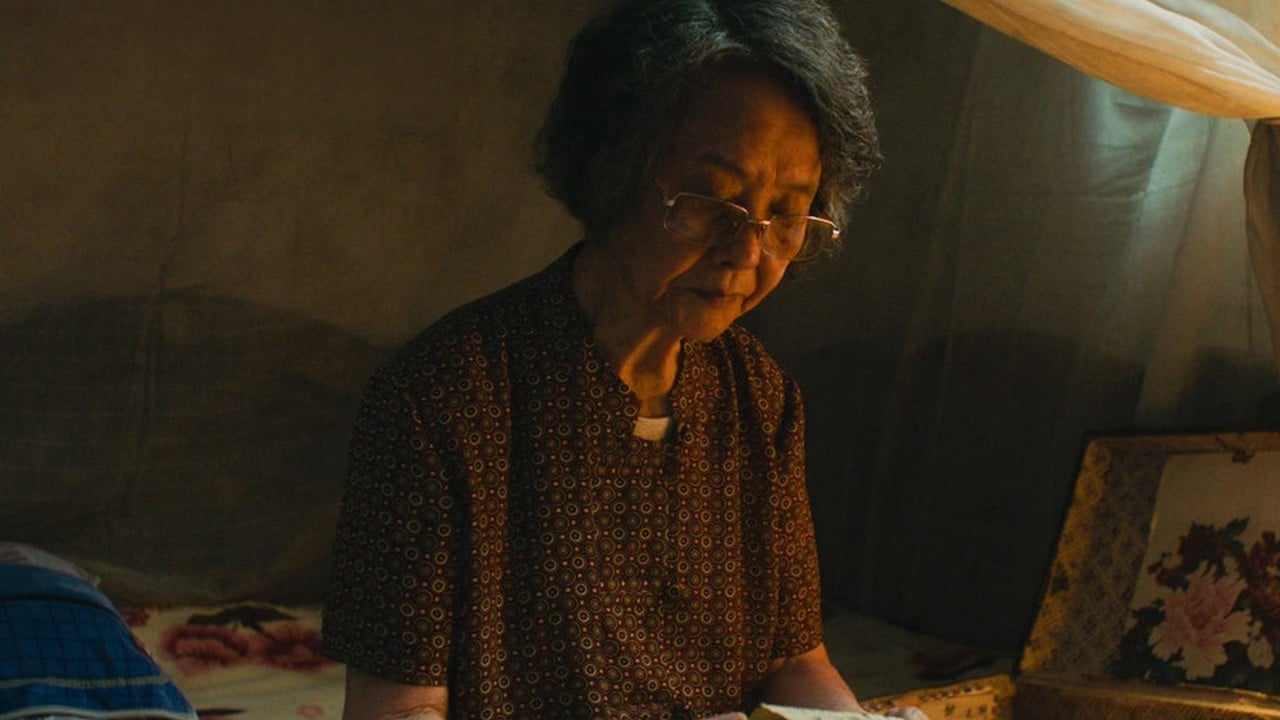
Dear You—known in Chinese as Gei A Ma de Qing Shu, or A Love Letter to Grandma—is a dark horse. Since its release on April 30, it has pulled in over 1.8 billion yuan ($264 million) at the domestic box office. It bypassed the usual formula of high-octane action or historical epics. Instead, it focused on the quiet, agonizing reality of separation.
The plot shifts between two timelines. In the present day, a grandson travels to Thailand to search for his long-lost grandfather. In the 1940s, a young newlywed named Zheng Musheng leaves his hometown in the Chaoshan region to escape wartime conscription. He heads to Southeast Asia to find work, leaving his wife, Ye Shurou, behind to raise three children alone.
The primary narrative thread relies on qiaopi. These are historical letters and financial remittances sent home by overseas Chinese migrants. For decades, these scraps of paper were the only proof of survival. They were emotional lifelines. The film zeroes in on the ordinary, painstaking acts of survival and the deep bonds formed between the women who stayed behind to pick up the pieces.
By inviting 74 embassies to watch this specific story, the foreign ministry is doing something clever. They're steering the conversation away from modern political friction. They want the world to view China through the lens of historical suffering, familial loyalty, and deep-seated cultural affection.
Moving away from the Wolf Warrior playbook
For years, global observers watched China deploy a loud brand of cultural projection. Big-budget war movies celebrated military triumphs. Diplomats aggressively defended state policies online. That approach had a glaring flaw. It put people on the defensive. It created friction.
Dear You works because it does the opposite. It targets the softest parts of human nature. There are no political slogans. No grand ideological speeches fill the script. The film relies on rustic visual language, ordinary domestic chores, and genuine grief.
When you look closely at the strategy, it makes perfect sense. Western audiences and international diplomats are naturally skeptical of overt state propaganda. A movie that feels like an official press release gets ignored or criticized. A movie that makes an entire theater sob breaks through that defense mechanism. It creates a shared emotional experience. It makes the state feel human.
The strategic focus on the global diaspora
The diplomatic screening in Beijing is only one part of a much larger international push. The distributors of Dear You have deliberately targeted Southeast Asian markets. They are focusing heavily on countries with large Chaoshan diaspora communities, including Thailand, Singapore, and Malaysia.
This regional focus has triggered an intense debate among regional analysts. Some independent commentators in Southeast Asia view the film as a masterpiece of emotional alignment. It reaches across borders to connect ethnic Chinese individuals—many of whom hold citizenship in other countries—back to their ancestral homeland.
The film challenges the diaspora to think about their relationship with China. It uses shared heritage, food, and language to build an emotional bridge. It doesn't ask for political allegiance. It asks for cultural empathy. For a state looking to build long-term influence, that empathy is incredibly valuable. It alters how communities view the mainland’s rise, wrapping geopolitical ambition in the warm blanket of family history.
What this means for international observers
The movie night in Beijing shows that the foreign ministry understands the limitations of hard power. You can’t force people to like you through economic weight or military posturing alone. True influence requires a narrative that people actually want to listen to.
If you are analyzing Chinese foreign policy, you need to watch these cultural shifts closely. Pay attention to the stories the state chooses to export. The success of Dear You means we will likely see fewer aggressive nationalistic blockbusters and more intimate, human-scale dramas heading to international festivals and diplomatic screenings.
To track this evolving strategy effectively, keep an eye on these three indicators.
Monitor regional distribution patterns
Look at where these films are being pushed. If a regional dialect film gets a massive theatrical release in Singapore or Bangkok, it isn't an accident. It is a calculated effort to connect with specific cross-border communities.
Analyze the funding and state backing
Pay attention to which independent films suddenly get heavy promotion from official channels like the Ministry of Foreign Affairs. The transition from a domestic box office hit to an official diplomatic screening tool tells you exactly what kind of image Beijing wants to project at any given moment.
Observe the local audience reaction
Watch how younger generations in neighboring countries respond to these historical narratives. Dear You sparked a massive tourism boom in the Chaoshan region, driven largely by young people looking to reconnect with traditional culture. If cultural products can influence the travel habits and emotional investments of global youth, they are achieving a level of soft power that traditional diplomacy simply cannot match.
Beijing's movie night wasn't just a casual evening of entertainment for bored diplomats. It was a demonstration of a refined, highly sophisticated approach to global image-making. They didn't argue their case. They let a story about a long-lost grandfather do the talking for them.