Fill up your gas tank now. The brief break you enjoyed at the pump over the last month is hitting a major wall.
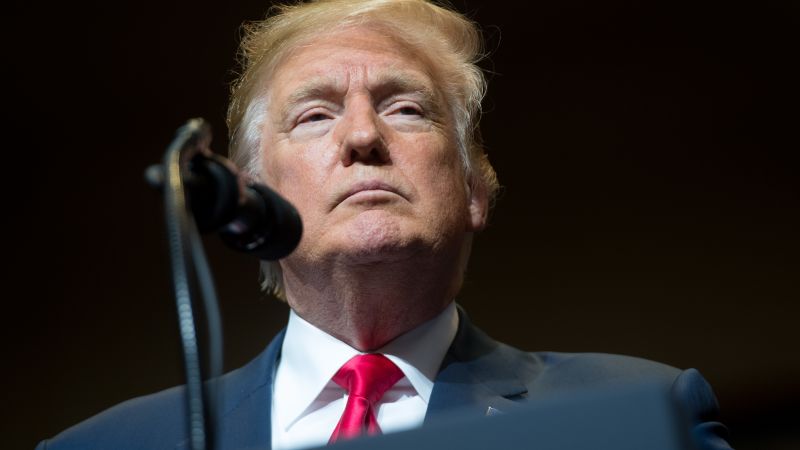
When President Donald Trump declared the U.S. ceasefire with Iran officially over, he didn't just reignite a military conflict. He triggered immediate panic across global energy markets. Oil prices surged more than 5% in a single day, with Brent crude jumping past $78 a barrel and U.S. crude hitting $75.80.
If you think a conflict in the Middle East won't affect your daily budget, you're missing the bigger picture.
How the Strait of Hormuz Dictates Your Commute
The sudden collapse of the truce wasn't random. It happened because of a targeted reality check in the Strait of Hormuz. Iran launched attacks on at least three commercial tankers within 48 hours, including a vessel carrying 8 million cubic feet of liquefied natural gas.
The U.S. military responded with heavy retaliatory strikes against the Iranian coastline, but the damage to market confidence was already done.
Jorge Leon, an analyst at Rystad Energy, pointed out that tanker traffic through the strait has essentially stopped. That is a massive problem. The Strait of Hormuz handles roughly 20% of the world's petroleum liquids. When traffic freezes there, global oil supplies contract instantly.
Your local gas station owner watches these wholesale prices closely. While the national average for a gallon of regular gas crept up only slightly to $3.80 right after the announcement, that slow movement won't last. Retailers usually absorb the initial shock for a day or two to stay competitive, but they eventually pass the costs directly to you.
Why Washington Can't Save You This Time
During the height of the spring war, when crude prices skyrocketed past $110 a barrel, the U.S. government leaned heavily on a specific emergency tool. It flooded the market with oil from the Strategic Petroleum Reserve to keep retail prices from spiraling out of control.
That strategy worked then. It won't work as well now.
Data from July 3 shows the Strategic Petroleum Reserve sits at just 319.5 million barrels. You have to go all the way back to 1983 to find an inventory that low. Michael Lynch from the Energy Policy Research Institute noted that this massive drawdown leaves Washington with very little ammunition.
If full-scale fighting drags on through the summer, the government can't just open the valves to artificially lower prices again. We're staring down a prolonged period of high energy costs without a safety net.
The Real Cost Beyond the Gas Station
High fuel costs don't stop at the pump. They bleed into everything you buy.
- Groceries and Goods: Disrupted shipping lanes mean ships take longer, costlier routes. Trucking companies pay more for diesel and hike their freight rates. Expect prices on supermarket shelves to tick upward within weeks.
- Winter Energy Bills: European natural gas markets spiked 5% immediately after the ceasefire collapsed. If wholesale gas prices stay elevated through the summer, home heating bills this winter will pinch budgets harder than last year.
- Your Retirement Account: The stock market hates instability. The Dow Jones Industrial Average plunged hundreds of points following the announcement, wiping out gains from earlier in the week as investors panicked over renewed inflation risks.
Protect Your Wallet From Rising Energy Costs
Don't wait for regular gasoline to hit $4.50 a gallon again before changing your habits. Take direct steps today to blunt the impact of this latest geopolitical mess.
First, download a fuel tracking app like GasBuddy to find the cheapest options in your immediate neighborhood before you leave the house. The price difference between two stations just blocks apart can be as much as thirty cents a gallon right now.
Second, combine your errands into single, efficient trips to cut down on total mileage.
Finally, if you've been putting off basic vehicle maintenance, fix it now. Properly inflated tires and a clean air filter can improve your vehicle's fuel economy by up to 10%. Every little bit matters when the global energy market goes off the rails.