Friday nights in July usually mean campfires, cold drinks, and watching the sunset over Lake Erie. On July 3, 2026, thousands of people across Southwestern Ontario got a terrifying reality check instead. Around 7:30 p.m., smartphones blasted out that jarring, high-pitched emergency alert tone. Environment Canada slapped a severe, red-level tornado warning onto Chatham-Kent, specifically targeting the Rondeau Park, Pain Court, and Ridgetown corridors.
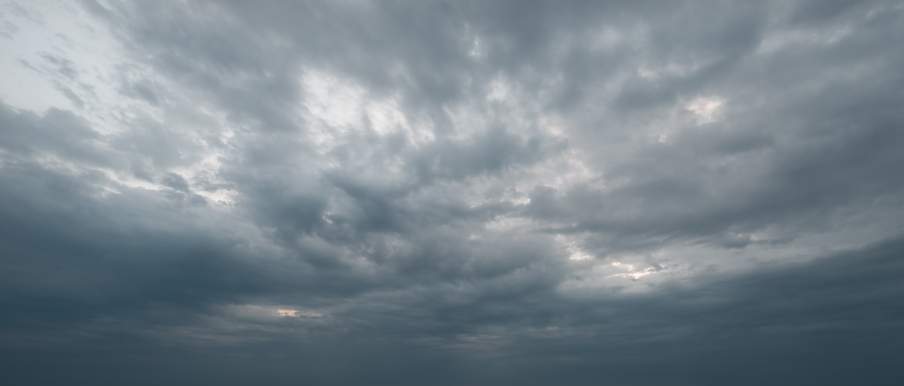
The sky turned an ominous shade of bruised purple. Wind gusts screamed up toward 120 kilometers per hour. For about twenty minutes, the threat of a destructive touchdown felt entirely too real.
The immediate danger has passed, and meteorologists have since cancelled the tornado warning. But this sudden squall leaves behind a lot of questions about how prepared we actually are when severe summer weather hits our favorite lakeside getaways.
What Environment Canada Red Warnings Actually Mean
Most of us are used to the standard yellow watches that pop up on our weather apps during muggy summer afternoons. A watch just means the ingredients are there. The atmosphere is unstable, the heat index is sky-high, and a storm could spin up if things line up right.
A red warning is an entirely different beast.
Environment Canada reserves red alerts for highly dangerous, life-threatening scenarios where extreme damage is likely imminent. When meteorologists upgraded the Chatham-Kent radar tracking at 7:29 p.m., they tagged the storm with an "extreme" impact rating and "very high" forecast confidence. They weren't guessing. The radar was showing strong, tight rotation in a line of severe thunderstorms tearing across Michigan and crossing the water.
The storm was flying east at a blistering 65 kilometers per hour. At that speed, you don't have an hour to plan. You have minutes.
The system packed a brutal combination of hazards:
- Ping-pong ball-sized hail capable of shattering windshields.
- Blinding downpours that instantly dropped visibility to zero on regional roads.
- Straight-line winds pushing 120 km/h, which can easily topple century-old oaks and rip shingles off roofs.
- The rotating core capable of dropping a funnel cloud at any second.
The Geographic Trap of Rondeau Park and Pain Court
Southwestern Ontario is notorious for violent summer weather, and Chatham-Kent sits right in the crosshairs. Look at the map. You have Lake St. Clair to the northwest and Lake Erie to the south. This strip of land is basically an incubator for severe convective storms.
When hot, humid air masses push up from the American Midwest, they collide with cooler, moisture-rich lake breezes pushing inland from the water. These lake breeze fronts act like miniature cold fronts. They force the hot air to rise rapidly, triggering explosive storm growth.
Rondeau Provincial Park is a particularly vulnerable spot during these events. It's a peninsula sticking out into Lake Erie. If you're camping under the massive canopy of Carolinian forest, a 120 km/h wind is just as dangerous as an actual tornado. Falling trees smash tents, crush trailers, and block the limited evacuation routes leading out of the park.
Pain Court and Ridgetown face a different kind of exposure. The flat, wide-open agricultural fields offer zero windbreaks. A rotating storm can organize easily over open terrain without hills or valleys to disrupt the inflow of warm air feeding the system.
Survival Decisions When You Are Caught Outside
When the emergency alert hit, hundreds of people were out on the waters of Lake Erie or walking the beaches at Rondeau. The official advice for boaters during a tornado warning sounds dramatic because the situation is dramatic: get to shore immediately.
If you can't reach land, you have to drop anchor, put on your lifejacket, lie flat in the bottom of the vessel, and shield your head. Trying to outrun a storm moving at 65 km/h on open water is usually a losing battle.
Campers face a tough choice too. A nylon tent offers zero protection against flying debris or falling limbs. If a warning goes off and you're at a provincial park, you need to abandon your campsite and head for the nearest brick-and-mortar comfort station or a hard-topped vehicle.
The Lingering Risks After the Storm Passes
Even though the red warning faded, Chatham-Kent isn't completely in the clear. The area switched back down to a yellow thunderstorm warning and an orange heat warning.
The intense humidity and high temperatures that fueled Friday's storm are still lingering in the atmosphere. When the ground is baked by extreme heat and then hit with a deluge of water, the risk of localized flash flooding skyrockets. Ditches fill up instantly, and rural roads can quickly wash out.
The biggest mistake people make after a major weather event is going out to sightsee. Downed power lines can hide under fallen tree branches, creating invisible death traps.
Your Action Plan for the Rest of the Weekend
Don't let your guard down just because this specific alert ended. Summer storm setups can repeat themselves over several days when a stagnant weather pattern locks in place.
First, check your emergency alert settings on your phone right now. Make sure wireless public alerts aren't silenced.
Second, if you're staying at Rondeau Park or anywhere along the Lake Erie shoreline, locate the nearest sturdy shelter before it gets dark. Know exactly where you will walk if the sirens sound at 2:00 a.m.
Keep a battery-powered weather radio handy if you're staying in areas with spotty cell service. Relying entirely on LTE data in the middle of a massive storm can backfire when local towers get overloaded or knocked out by lightning. Stay weather-aware, watch the western horizon, and act the moment the sky changes.