A relentless winter storm has hammered Chile’s coastline and central regions, knocking out power to over 500,000 households and leaving at least three people dead. The numbers are staggering. Winds clocked at 100 kilometers per hour, storm surges pushing water deep into coastal towns, and up to 250 millimeters of rain predicted over a 48-hour window.
But if you look closely at what is happening on the ground in Biobío, La Araucanía, and Santiago, this is not just an unfortunate natural disaster. It is a glaring reminder that Chile's electrical infrastructure remains dangerously brittle, failing its citizens exactly when they need it most.
When a country’s grid collapses every time an atmospheric river rolls in from the Pacific, it is time to stop blaming the clouds and start questioning the network.
The Human Cost of a Fragile System
The storm systems moving through the southern and central zones have triggered immediate, catastrophic disruptions. The three recorded fatalities show the dangerous, varied nature of these severe weather events. In Biobío, a worker was struck and killed by a falling tree during road clearance operations. In La Araucanía, a man lost his life after slipping from a wet roof while attempting to clean out gutters. In the capital city of Santiago, another individual died from an electric shock directly linked to the storm's damage.
Beyond these tragic deaths, daily life has ground to a complete halt for hundreds of thousands of families. Emergency teams have conducted preventive evacuations for hundreds of residents in high-risk zones, while dozens of homes have been completely destroyed or severely compromised by mudslides and overflowing rivers.
The power outage is not just an inconvenience. It is a safety crisis. For families sitting in freezing winter temperatures without heating, or for vulnerable individuals dependent on medical equipment, a blacked-out grid is a life-threatening scenario.
The Coastal Assault and Infrastructure Failure
What makes this specific weather event so destructive is the combination of intense rainfall and unprecedented ocean behavior. In coastal communities like Arauco and Penco, storm surges and abnormally massive swells have overridden sea defenses, flooding entire neighborhoods, docks, and fishing infrastructure. In Coquimbo, the high winds were strong enough to cause a massive industrial crane to collapse.
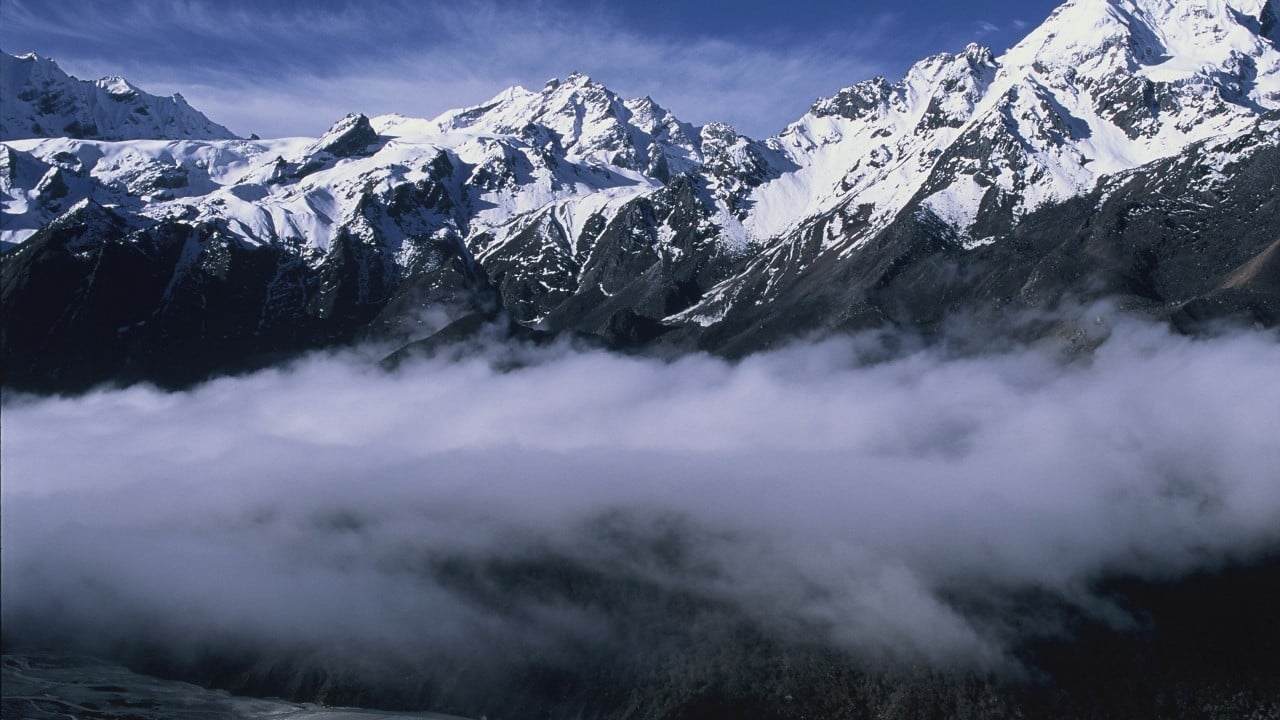
Further inland, the mountain regions are seeing a parallel crisis. The Andes are being slammed by an atmospheric river event that is dropping snow at a furious pace—sometimes exceeding two inches per hour. The iconic highway leading to the Portillo ski resort had to be completely shut down due to severe avalanche risks, completely stranding guests and staff who are now forced to ride out the storm in isolation.
The Chilean Meteorological Directorate has warned that the rainfall intensity—hitting 10 to 20 mm per hour in specific zones—will continue to cause flash flooding and dangerous mudslides as the saturated soil gives way.
Why the Grid Keeps Breaking
Chilean authorities, including Interior Minister Claudio Alvarado, have heavily emphasized self-care and compliance with emergency orders. While taking personal precautions is necessary, it shifts the focus away from structural accountability.
This massive failure comes on the heels of previous grid vulnerabilities, raising critical questions about why localized storm damage can ripple so easily across the distribution lines. The current blackouts are primarily concentrated in La Araucanía and Biobío, where overhead distribution lines are highly exposed to falling trees and wind damage.
The reality is that private utility providers consistently underestimate the necessity of aggressive vegetation management and subterranean cable infrastructure. When half a million homes lose power simultaneously, it indicates that the distribution architecture lacks the modularity required to isolate faults. Instead of a resilient network that can bend without breaking, Chile is left with a brittle setup where a single downed branch can plunge an entire municipality into darkness.
What Needs to Change Right Now
Fixing a vulnerable national energy network does not happen overnight, but waiting for the next storm is no longer an option. If you are tracking the situation or trying to understand how to prepare for future outages, the focus must shift to immediate resilience strategies.
Immediate Individual Protection
If you are currently in an affected area, your immediate priority is managing resources until the grid goes live. Keep refrigerator doors closed to preserve food for up to 48 hours. Use surge protectors on all major electronics to prevent damage when the power inevitably fluctuates during restoration. If you rely on a generator, never operate it indoors or near windows due to the immediate risk of carbon monoxide poisoning.
Structural Accountability and Redundancy
Local municipalities must hold energy distributors legally and financially accountable for prolonged restoration times. True climate adaptation means forcing utility companies to invest heavily in undergrounding critical lines in high-risk coastal and forested corridors. Furthermore, the integration of regional microgrids powered by localized renewable storage is the only way to ensure that hospitals and emergency services stay online when the main transmission lines fail.
The storm will eventually pass, the floodwaters in Penco and Arauco will recede, and the lights will come back on. But unless the structural vulnerabilities of the grid are addressed with real engineering instead of political rhetoric, the next atmospheric river will simply repeat this exact story.
For a closer look at the immediate impact of the storm surges, flooding, and blackouts affecting these communities, you can watch this report on the Chile Storm Damage and Power Outages. This video provides direct visual context of the coastal flooding and structural destruction mentioned throughout the regions.