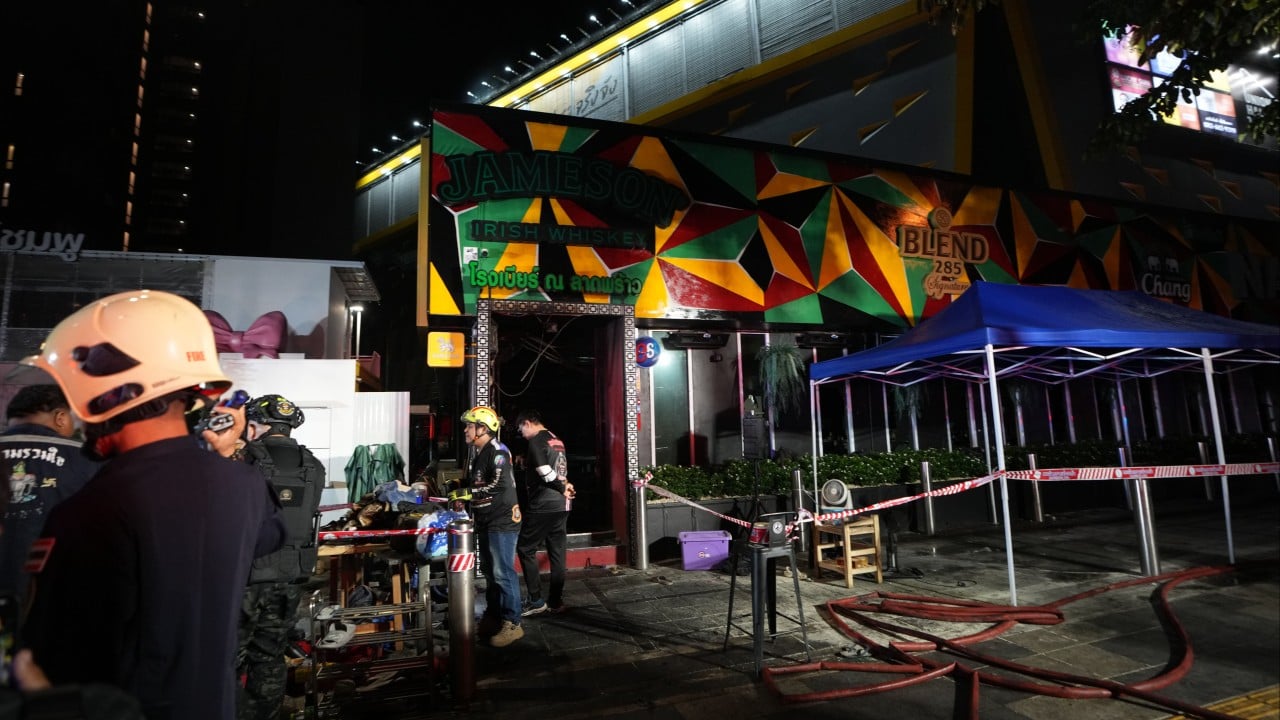
A midnight escape shouldn't end in a cage. Yet, that's exactly what happened when a massive Bangkok pub fire broke out, trapping hundreds of patrons inside a burning building.
The tragedy unfolded at the Na Ladprao pub, also known as Rong Beer Na Lat Phrao, located in the Chatuchak district of northern Bangkok. It didn't take hours to destroy lives. It took minutes. Within a short span of time, a night of music and socializing transformed into a suffocating nightmare. At least 27 people are dead. Dozens more are fighting for their lives in intensive care units across the Thai capital.
If you think this is just an isolated accident, you're missing the bigger picture. This disaster exposed deep structural issues, recurring regulatory failures, and a terrifying pattern that Thailand's nightlife industry simply refuses to fix.
Inside the Na Ladprao Pub Disaster
The sequence of events was brutal and swift. Around midnight, the venue was packed with people listening to live music. According to accounts from performers at the scene, the first sign of trouble came from the stage area.
A performing musician noticed thick smoke pouring out of a main circuit breaker located near the stage. Seconds later, the electrical system failed completely. The lights went out. The music stopped. Then came a loud explosion.
Panic spread faster than the flames. Survivors reported that the entire room filled with thick, toxic black smoke almost instantly. When the power cut out, the venue plunged into total darkness. People couldn't see the exits. They couldn't see each other. They were left scrambling blindly through a labyrinth of tables and chairs.
Emergency responders arrived quickly, but for many inside, it was already too late. While firefighters managed to bring the raging inferno under control in about thirty minutes, the damage inside was absolute.
The Deadly Trap at the Back of the Venue
The layout of the building turned into a death trap. Thai Prime Minister Anutin Charnvirakul visited the scene to assess the rescue operations. He revealed a grim detail that highlights the sheer terror felt by those inside.
A massive number of the victims were found dead in the restrooms located at the very back of the pub.
When the explosion occurred near the stage, it effectively blocked the main entrance. In moments of extreme panic, human instinct drives people away from the fire. Because the venue lacked clear, unobstructed emergency exits at the rear, terrified patrons fled deeper into the building. They crowded into the toilets, hoping to find a way out or a safe haven from the smoke.
They found neither. The restrooms had no external exits. Trapped in a confined space with nowhere to go, most of the victims succumbed rapidly to smoke inhalation and toxic fumes.
The True Cost in Numbers
The scale of the disaster is staggering, and the numbers are expected to shift as medical teams work around the clock.
Bangkok Governor Chadchart Sittipunt confirmed that at least 63 people were rushed to nearby hospitals. Among those injured, 22 individuals remain in critical condition with severe burns and respiratory damage from inhaling toxic smoke.
Identifying the casualties has turned into a monumental challenge for local authorities. Many patrons didn't carry identification documents on them, or their personal belongings were lost or destroyed in the chaos. Others remain completely unconscious in intensive care units, unable to speak to medical staff.
Outside the charred remains of the pub, officials set up an emergency registration desk. It became a site of pure heartbreak. Relatives and friends gathered in the early morning hours, desperately searching for news of their loved ones. Local musicians also arrived, frantic to locate bandmates who were scheduled to play that night. One singer noted that while some of her peers were hospitalized, others simply hadn't been found yet.
A Terrifying Pattern in Thailands Nightlife History
We have seen this script play out before. The Na Ladprao fire isn't an anomaly. It's a continuation of a historical safety crisis in Thailand's entertainment venues.
Step back to 2022. A horrific blaze tore through the Mountain B music pub in eastern Thailand, claiming 14 lives. The causes were eerily similar: flammable soundproofing materials, blocked exits, and electrical faults.
Go back even further to January 1, 2009. The Santika Club fire in Bangkok remains one of the darkest days in the city's history. During a New Year's Eve celebration, an indoor fireworks display ignited the ceiling. That disaster killed 66 people and injured more than 200.
The lessons from Santika and Mountain B were supposed to change everything. Inspections were promised. Strict enforcement was guaranteed. Yet, here we are again, looking at rows of bodies outside a Bangkok nightclub. The recurring themes across all these disasters are impossible to ignore. Venues use cheap, highly flammable acoustic foam to soundproof walls. Establishments fail to maintain clear, illuminated emergency exit pathways. Building owners make illegal modifications that bypass standard fire safety codes.
The Massive Gaps in Regulatory Enforcement
Why do these venues keep burning down? The problem isn't a lack of laws. Thailand has clear building codes and safety regulations on paper. The breakdown happens in daily enforcement and corporate greed.
Many nightlife venues operate with regular restaurant licenses to avoid the stricter structural requirements imposed on official nightclubs. A venue registered as a restaurant might not be forced to install complex sprinkler systems, multiple wide fire exits, or fire-retardant interior walls.
When a venue transitions from a quiet dining spot into a high-energy live music pub, the electrical demands skyrocket. Amplifiers, heavy stage lighting, and special effects equipment put immense strain on aging electrical grids. If the wiring isn't upgraded by certified professionals, a catastrophic short circuit is practically inevitable.
Add to this the issue of local corruption. Casual safety inspections often overlook blatant violations. Blocked exit doors, locked emergency exits to prevent patrons from skipping out on bills, and non-functional fire extinguishers are frequently ignored until a tragedy forces a public reckoning.
What You Must Do to Protect Yourself in Entertainment Venues
You cannot rely solely on a business owner to guarantee your safety. When you walk into any crowded indoor venue, you need to take immediate, proactive steps to protect your life.
Locate Two Exits Immediately
Never assume the main door you walked through is your only way out. The moment you enter a pub or club, scan the room. Look for secondary exit signs. Physically walk past them if possible to ensure they aren't chained shut or blocked by stock crates. If a fire starts near the main entrance, that secondary exit is your literal lifeline.
Assess the Material Around You
Take a look at the walls and ceilings. If you see exposed, cheap foam padding or heavy fabric drapes right next to hot stage lights or electrical setups, change your seating position. Stay as far away from the stage electronics and main circuit breakers as possible.
Act on the First Sign of Smoke
Don't wait for an official announcement. Don't wait for the security guards to tell you to move. If you see smoke, smell burning plastic, or notice the lights flickering violently during a performance, move toward an exit immediately. Minutes count. By the time a room fills with black smoke, your chances of getting out drop drastically.
Stay Low if Smoke Fills the Room
Toxic smoke rises. If you get caught in a smoky environment, drop to your knees and crawl. The cleanest air will be closest to the floor. Cover your nose and mouth with your shirt or a wet cloth if available to filter out dangerous particles.
Next Steps for Structural Reform
Grief must turn into concrete action. Authorities have launched a full investigation into the Na Ladprao disaster, but a standard post-incident report isn't enough this time.
First, the Bangkok Metropolitan Administration needs to execute an immediate, unannounced audit of every live music venue in the city. Any establishment found using substandard soundproofing material or lacking clear, unblocked rear exits must be shut down on the spot. No exceptions. No warnings.
Second, the legal loopholes allowing major music clubs to masquerade as simple restaurants must be closed permanently. If a venue hosts live bands, operates past midnight, and gathers large crowds, it must adhere to maximum-security fire safety mandates.
The families of the 27 victims deserve more than empty condolences. They deserve a systemic overhaul that ensures a night out in Bangkok doesn't become a death sentence.