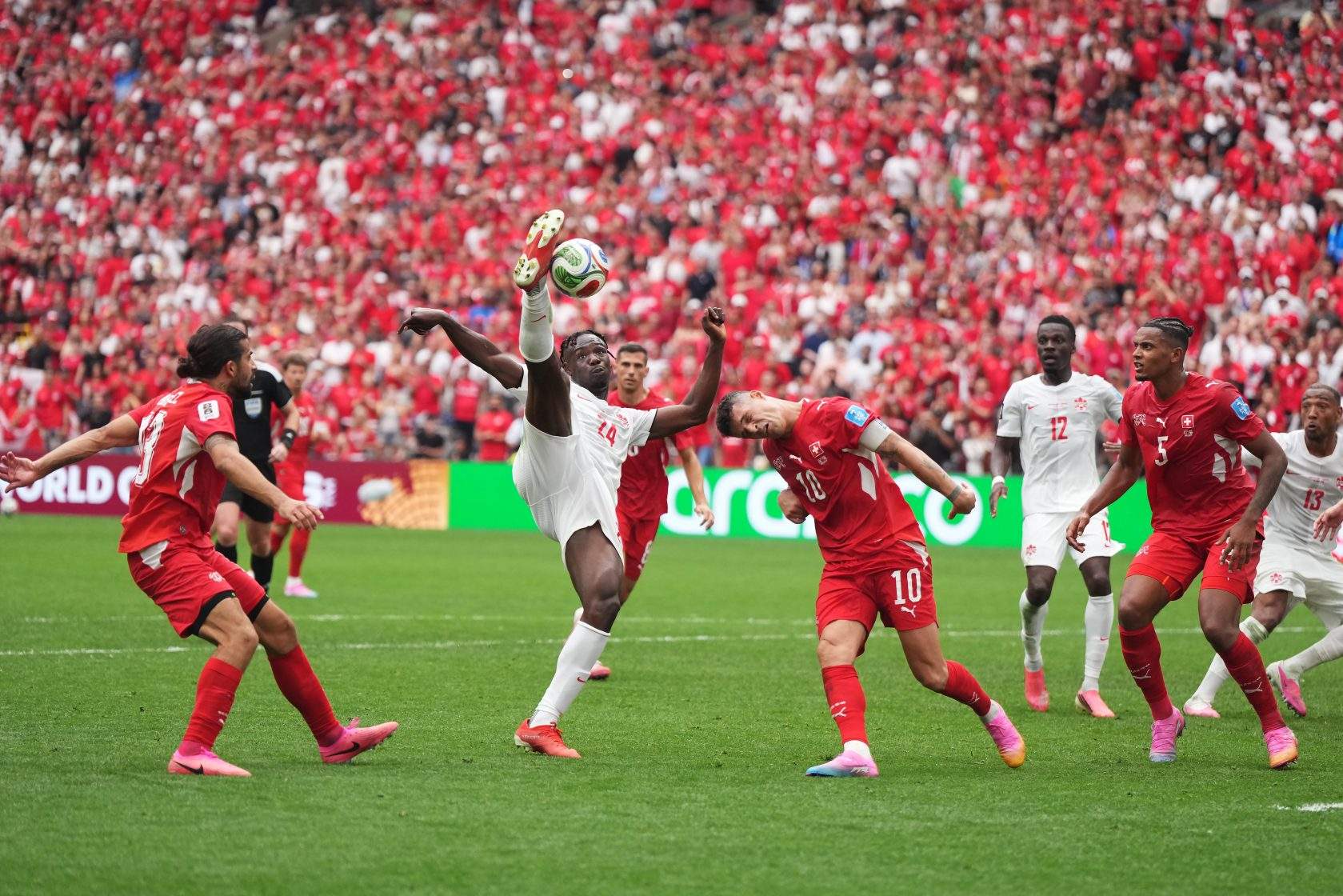
Thomas Tuchel wants you to believe that the bigger the football match, the bigger his team will perform. It's a nice sentiment. It sounds comforting. But if you watched the England World Cup squad stumble through their 2-0 victory against Panama at the New York New Jersey Stadium, you know that statement is mostly wishful thinking. Sure, the squad did what they had to do. They topped Group L. They avoided an embarrassing slip-up. Jude Bellingham found a moment of magic in the 62nd minute, and Harry Kane did what he always does five minutes later. On paper, it looks like a routine, professional win.
In reality, it was an incredibly tough watch. Don't miss our earlier coverage on this related article.
If this team wants to actually lift the trophy in July, this current level of performance won't cut it. Topping a group by grinding out wins against lower-ranked opposition is an old English tradition, but the knockout rounds are a completely different beast. Senegal or the Democratic Republic of Congo are waiting in the next round, and they won't be as forgiving as Panama. This squad looks heavy, slow in possession, and strangely disconnected.
The Flaws in England's World Cup Strategy
Let's look at how the team actually set up against Panama. Tuchel chose a 4-2-3-1 system, handing starts to younger faces like Nico O'Reilly at left-back and Elliot Anderson in the middle next to Bellingham. On one hand, it's great to see fresh talent getting tournament experience. On the other hand, the lack of cohesion was painfully obvious throughout the entire first half. To read more about the history of this, CBS Sports provides an excellent breakdown.
The ball moved sideways. Then it moved backward. Then Jordan Pickford launched it long.
A Sluggish Midfield Without Balance
The biggest issue right now is the center of the pitch. With Declan Rice starting on the bench, the midfield lacked a true anchor to dictate the tempo. Anderson worked hard, but the spacing between him and Bellingham was completely wrong. They kept occupying the same areas, leaving massive gaps when Panama decided to break forward.
When you have players of Bellingham's caliber, you want them facing the opposition goal, not dropping thirty yards deep just to get a touch of the ball. It felt like watching individual talent trying to solve collective structural problems.
Defensive Fragility in Transition
Panama had moments that should scare any English fan. Jarell Quansah picked up a yellow card around the hour mark simply because he was left completely isolated against a quick counter-attack. Ezri Konsa and Marc Guéhi are good defenders, but they don't have the recovery speed to bail out a midfield that turns the ball over cheaply.
Higher-quality teams with elite wingers will punish those errors instantly. Nico O'Reilly showed promise, but relying on a young player out of position during the business end of a tournament is a massive gamble.
Why Winning Group L Doesn't Mean Much
Topping the group gives fans a nice feeling, but history shows it can be a trap. We've seen this movie before. England cruises through a group without ever hitting top gear, the media starts talking about an easy path to the final, and then the first organized, tactical team they face knocks them out.
Panama set up in a rigid 5-4-1 block. They didn't want the ball. They wanted to frustrate. For over an hour, it worked perfectly. It took a moment of individual brilliance from Bellingham to break the deadlock, not a beautifully engineered team move. Relying on moments of magic isn't a sustainable tournament strategy.
Tuchel needs to find a fixed starting eleven quickly. The constant chopping and changing of personnel might keep the squad fresh, but it completely destroys any chance of building chemistry on the pitch.
What Tuchel Must Change Immediately
The tournament is moving fast. There's no time for experimental lineups or hoping things will just click into place. If England wants to avoid an early flight home, three specific adjustments need to happen before the round of 16 kicks off.
Restore Declan Rice to the Starting Lineup
The midfield needs structural discipline. Rice gives the creative players the freedom to move forward without worrying about a counter-attack exposing the backline.✨ Don't miss: blue and pink volleyballFix the Left-Back Dilemma
Using central midfielders or young right-backs on the left side severely limits the team's attacking width. It makes the entire system predictable because the opposition knows the left-back will always cut inside onto their right foot.Increase the Tempo of Possession
The ball needs to move with fewer touches. Right now, England is letting opposing defensive blocks slide into position too easily. Quick, vertical passing is the only way to open up organized teams.
The job in New Jersey is finished, but the real tournament begins now. Tuchel claims his players will rise to the occasion when the pressure mounts. For the sake of English football fans everywhere, let's hope he's right.