The headlines look terrifying. Hundreds of thousands of mourners are filling the streets of Tehran to grieve Ayatollah Ali Khamenei. The specter of a broader US-Iran war still lingers in the background. Yet, if you look at the global energy markets, there is no panic. In fact, oil prices are sliding. Brent crude is sitting right around $72 a barrel, completely wiping out the massive spikes that saw it blast past $120 earlier this year.
How do we explain this massive disconnect? It's simple. Traders aren't looking at the political theater in Tehran. They are looking at the hard math coming out of Vienna and Washington.
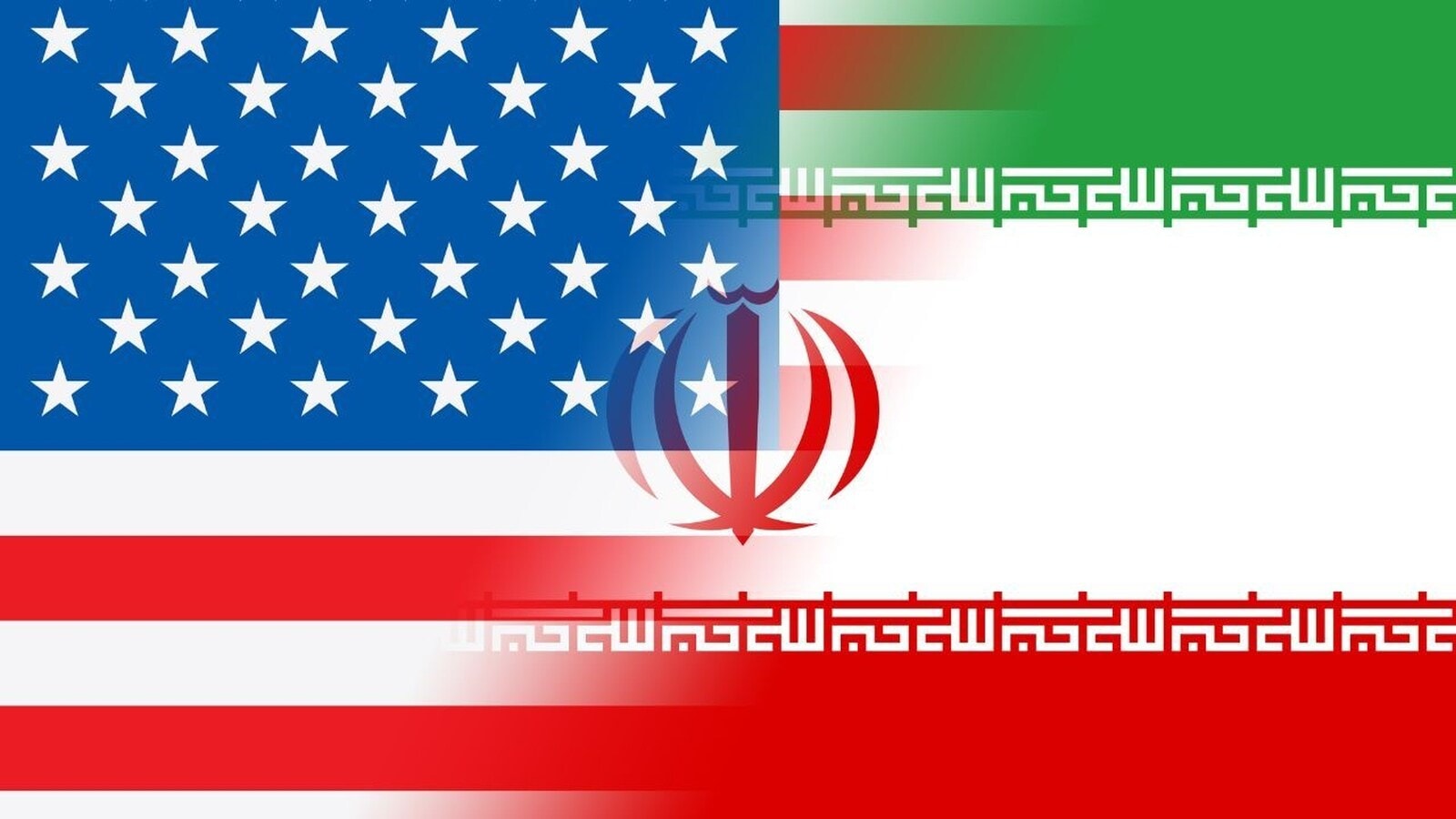
The immediate answer to the market's calm lies in two major developments. First, a crucial memorandum of understanding between Washington and Tehran has initiated a slow, fragile reopening of the Strait of Hormuz. Second, OPEC+ just doubled down on its strategy to pump more crude, agreeing on Sunday to bump up production quotas by another 188,000 barrels per day starting in August. Markets are betting that the worst of the supply shock is behind us, even as Iran navigates a historic transition of power.
The Mourning of Khamenei and Iran's Power Vacuum
The massive funeral processions in Tehran for Ayatollah Ali Khamenei are a powerful visual, but they mask a deeper geopolitical reality. While millions gather to mourn, the real story is the stability of the regime itself. The presence of Khamenei’s three sons at the funeral—rather than an anointed, clear-cut successor—has sparked intense speculation about who will ultimately hold the reins of the Islamic Republic.
But if the US and Israel expected a total internal collapse following the recent military campaign, they miscalculated. The state apparatus is holding. Even with external pressure, Iran's interim leadership managed to negotiate a temporary sanctions suspension on its oil exports, valid until August 21, to keep its economy from flatlining entirely.
The regime is also projecting a message of defiance. Even as it allows commercial ships back into the Strait of Hormuz under the new diplomatic understanding, Tehran's military commanders have issued fresh warnings that any breach of the agreement will result in an immediate return to a total blockade. It's a high-stakes poker game where oil is the ultimate chips.
OPEC Plus Keeps the Taps Turning
While Tehran deals with political transition, the seven core nations driving the OPEC+ alliance—Saudi Arabia, Russia, Iraq, Kuwait, Kazakhstan, Algeria, and Oman—held a crucial virtual meeting. They decided to stay the course on their gradual unwinding of the deep production cuts first enacted back in 2023.
The August increase of 188,000 barrels per day marks the fifth consecutive month of quota hikes. Between April and July, these producers already added nearly 800,000 barrels per day to their paper targets.
OPEC+ Output Recovery Timeline (2026)
--------------------------------------------
February:    42.77 million bpd (Pre-war baseline)
May:         33.13 million bpd (Peak conflict/blockade)
June:        19.43 million bpd (OPEC crude baseline rebound)*
August:      +188,000 bpd quota adjustment implemented
--------------------------------------------
*Note: June data reflects the exit of the UAE from the cartel.
But there's a catch. These quota increases have largely existed only on paper. When the war disrupted shipping routes through the Strait of Hormuz, key Gulf producers like Saudi Arabia and Iraq had no choice but to shut in their production. OPEC's total output plummeted from over 42 million barrels per day in February down to just over 33 million in May.
Now, the scramble is on to turn the physical taps back on. It isn't as easy as flipping a switch. Analysts point out that shut-in production takes weeks, sometimes months, to safely bring back online. The physical crude currently entering the market is mostly oil that was sitting stagnant in storage facilities and idled tankers during the height of the blockade.
Why the Oil Price Spike Collapsed
If supply is still technically below pre-war levels, why aren't prices skyrocketing? The market is pricing in the future, and that future looks incredibly crowded with crude.
- The Non-Middle East Surge: While the Gulf was locked down, producers in the Americas stepped up. The US, Brazil, and Guyana have been pumping at near-record levels, filling the vacuum left by the Middle East crisis.
- Russia's Export Pivot: Ukrainian drone strikes on Russian domestic refineries forced Moscow's hand. Instead of refining crude at home, Russia redirected massive volumes of raw crude to western ports for export, inadvertently flooding the global market.
- The Chinese Slowdown: The biggest driver of oil demand, China, is showing major economic fatigue. Its crude imports have consistently lagged expectations all year, taking the wind out of any potential price rallies.
- The Strategic Reserve Release: A massive, coordinated release of strategic petroleum reserves by the International Energy Agency (IEA) successfully blunted the initial panic of the US-Iran escalation.
Fractures Inside the Cartel
The calm exterior of OPEC+ hides some serious internal drama that could break the cartel wide open later this year. The United Arab Emirates already walked out of the group on May 1, frustrated by production limits that kept it from capitalizing on its massive capacity investments.
Now, Iraq is playing hardball. Baghdad has been hit incredibly hard by the war's disruptions and is publicly demanding higher production quotas to make up for lost revenue. The Iraqi Oil Ministry claims it can get its production back to pre-war levels within two months, and it wants the freedom to sell every single drop.
OPEC+ has scheduled a full capacity review for the end of the year. If Saudi Arabia and Russia refuse to grant Iraq and other restless members higher baselines, we could see more defections. A flooded market in 2027 is a distinct possibility.
Your Next Strategic Moves
The volatility isn't gone; it has just shifted from the trading floor to the logistics routes. If your business depends on energy prices or global shipping, don't let the current $72 oil price lull you into a false sense of security.
First, lock in fuel hedges now if you thrive on predictability. The current diplomatic truce between the US and Iran is highly fragile, and the August 21 sanctions deadline represents a clear volatility trigger. Second, audit your supply chains for Middle East exposure. Even with the Strait of Hormuz slowly reopening, shipping backlogs and increased insurance premiums mean transit through the region will remain expensive and slow until the end of the year. Stay nimble, because the geopolitical ground under Tehran is still shifting.