Signals coming out of Tehran are getting harder to ignore. While American air strikes and regional exchanges continue to dominate headlines, standard military escalation isn't the whole story. Behind closed doors, deep internal fissures are tearing through the leadership structure inside Iran, creating a fractured political dynamic that could either unlock a diplomatic path or completely stall future negotiations.
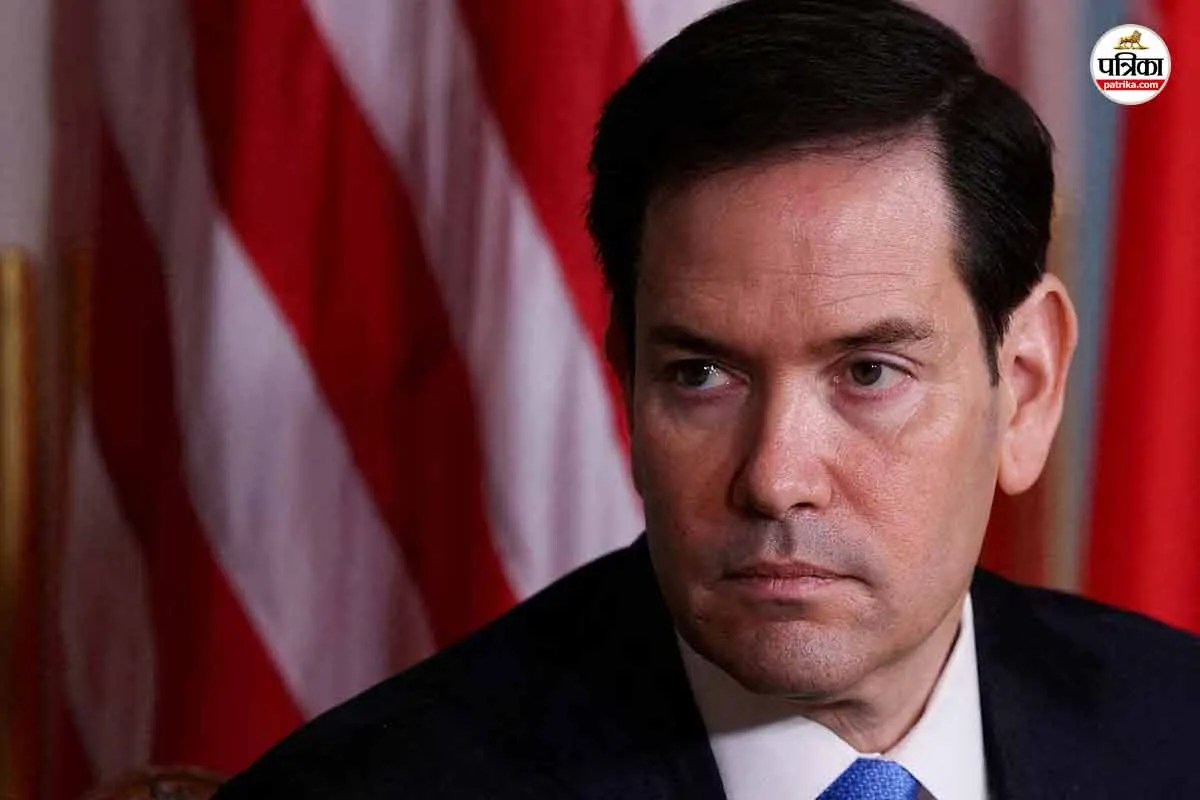
US Secretary of State Marco Rubio recently revealed that Washington is receiving steady messages through third-party channels. Certain factions in Tehran desperately want a way out of the current crisis. But at the exact same time, hardline elements inside the Islamic Revolutionary Guard Corps (IRGC) keep launching drones, attacking shipping lanes, and threatening energy transit through the Strait of Hormuz.
This isn't just double-talk. It's evidence of an Iranian regime fighting itself over its own survival.
Two Factions Fighting for Iran's Future
To understand why US Iran talks feel so unpredictable right now, you have to look at who actually holds power in Tehran. The political elite in Iran has split into two distinctly opposing camps, each viewing the conflict with Washington through a completely different lens.
On one side, you have economic pragmatists and political moderates. They look at the numbers. Iran's domestic economy is taking severe hits, currency values are plummeting, inflation is burning through household savings, and public frustration is dangerously high. These leaders realize that prolonged conflict with the United States guarantees domestic economic ruin. They're sending feelers through regional intermediaries, signaling that they're ready to sit down at the table if it offers real economic relief and guarantees their political survival.
Then you have the hardliners.
This faction consists heavily of senior IRGC commanders and ideological traditionalists. They view compromise as political suicide. In their calculation, weaponizing global trade routes like the Strait of Hormuz isn't a bargaining chip for peace; it's an existential battle for regional control. While diplomats send secret notes through backchannels, these military figures keep pushing the button on missile launches and naval aggressive maneuvers.
When you have one wing of a government begging for a deal while the other wing fires missiles, any foreign policy approach gets complicated quickly.
What Marco Rubio Revealed About Backchannel Communications
During recent briefings, Secretary of State Marco Rubio laid out the situation plainly. The United States isn't relying purely on public grandstanding. Multiple diplomatic channels—running through friendly regional partners—have passed messages from Iranian officials seeking talks.
Rubio pointed directly to the internal contradiction inside Tehran. He noted that Washington remains willing to engage in serious diplomacy, provided the end result produces a binding, verifiable agreement.
"They can't have a memorandum of understanding that's alive if they're violating the terms of it," Rubio remarked, emphasizing that Washington won't accept temporary promises used simply as a delay tactic.
The challenge for American strategy is determining which faction in Tehran is actually capable of making—and keeping—a promise. If Washington makes concessions to the pragmatists, can those pragmatists control the military commanders on the water? So far, the answer isn't clear.
The Economics Driving Tehran to the Table
Ideology sounds powerful on state television, but economic reality usually dictates how long a government lasts.
The primary driver behind Tehran's willingness to negotiate is sheer financial pressure. Years of targeted sanctions, combined with military disruptions, have severely limited Iran's revenue streams. Oil exports face constant operational hurdles, and critical infrastructure across the country requires massive capital investments that simply don't exist under current conditions.
Inside Iran, domestic sentiment is shifting. Ordinary citizens are dealing with everyday costs that continue to skyrocket. When bread, housing, and energy become unaffordable for the working class, internal instability becomes a far bigger threat to the regime than any foreign adversary.
Pragmatists inside the ruling structure know this. They see that if economic pressures aren't relieved soon, internal unrest could spiral out of control. That realization is what's pushing them toward Washington, even if it means eating humble pie at the negotiating table.
Why Hardliners Refuse to Step Back
If the economic writing is on the wall, why aren't the hardliners backing down?
For the IRGC, aggression isn't just a strategy—it's their business model. The military apparatus controls vast swathes of Iran's internal shadow economy, from construction and shipping to border trade. A normalized Iran, plugged back into global economic institutions, might actually reduce the IRGC's monopoly over domestic industries.
Beyond money, there's the problem of ideological credibility. For decades, the hardline military doctrine has been built on anti-American resistance. Admitting that American pressure forced a strategic retreat weakens their position within their own domestic base.
So they double down. They attempt to hold the Strait of Hormuz hostage, gamble on military brinkmanship, and calculate that foreign powers will eventually back off rather than risk global energy disruptions.
How Washington Should Handle a Fractured Opponent
Dealing with a unified adversary is hard. Dealing with a divided one is infinitely more treacherous.
If American negotiators move too fast to offer relief, they risk rewarding hardline actions without getting real guarantees that attacks on international shipping will stop. On the flip side, if Washington demands complete, immediate submission without giving the pragmatists anything to show for it, the hardliners win the internal argument inside Tehran, shutting down diplomatic avenues completely.
Here is how smart policy navigates this dilemma:
- Verify action over assurances. Backchannel promises mean nothing if IRGC units continue harassing merchant vessels in the Gulf. Any diplomatic relief must be tied strictly to observable, measurable changes on the ground and at sea.
- Maintain targeted pressure. Broad sanctions that only hurt ordinary citizens can sometimes unify a population behind a government. Sanctions must remain laser-focused on the financial networks and military assets directly backing hardline aggression.
- Keep communication channels direct and operational. Third-party mediation helps, but direct messaging prevents dangerous misunderstandings during high-tension military maneuvers in the Strait of Hormuz.
The internal split in Tehran gives Washington real diplomatic leverage, but only if applied with precision. The coming weeks will reveal whether the pragmatists in Iran can secure enough internal authority to negotiate a meaningful truce, or if the militants will pull the entire region into a deeper, unchecked collision course.