The global coalition against HIV just fractured in public. For more than two decades, the United Nations managed to maintain an unbroken streak of passing its political declarations on the AIDS fight by total consensus. Every five years, member states would argue behind closed doors, iron out their differences, and emerge with a unified front.
Not this time.
At the June 2026 UN High-Level Meeting on HIV/AIDS in New York, that streak ended. A new Political Declaration on HIV and AIDS did pass, but it required a formal vote rather than unanimous agreement. The final tally saw 149 countries in favor, but a glaring block of eight nations voted directly against it. Most notably, both the United States and Russia rejected the document.
This isn't just a bureaucratic hiccup. It represents a fundamental breakdown in global health diplomacy at the exact moment the 2030 deadline to end AIDS as a public health threat is staring the world down.
The Friction Points Behind the Dissolution of Consensus
If you look at why the consensus collapsed, it wasn't because countries suddenly stopped caring about treating sick people. It happened because global health declarations have become a battleground for intellectual property rights, national sovereignty, and culture wars.
The opposition split into two distinct camps with completely different grievances.
The IP and Technology Transfer Battle
The United States anchored its rejection primarily in the language surrounding economics and pharma manufacturing. During the final weeks of intense negotiations, the Africa Group—represented by Malawi—pushed through a last-minute amendment that stripped the phrase "mutually agreed terms" from references to technology transfer.
To the U.S. delegation, removing that phrase was a dealbreaker. The U.S. argued that the declaration went too far into intellectual property protections and undermined the commercial structures that drive pharmaceutical innovation. For developing nations, however, the old wording was a loophole used by wealthy countries to keep manufacturing locked in the West while low-income regions faced shortages of long-acting prevention tools and cutting-edge therapeutics.
The Culture and Prevention War
Russia led the second faction of opposition, focusing its ire entirely on social policy and harm reduction. The Russian delegation lambasted the text for what it called "interference in domestic policies."
Specifically, Russia rejected the declaration’s explicit support for needle exchange programs, evidence-based drug policy, and specific gender-related terminology. The European Union and various civil society groups successfully fought to keep references to sexual and reproductive health rights, gender-based violence, and "key populations"—shorthand for highly marginalized groups like men who have sex with men, transgender individuals, and sex workers. Russia refused to sign onto anything validating those frameworks.
Why This Vote Signals a Dangerous Turning Point
Doctors Without Borders (MSF) immediately sounded the alarm, calling the U.S. vote "deeply disappointing" and a "dangerous signal." It's the first time the U.S. has ever voted against a UN political declaration on HIV.
This happens against a brutal backdrop of economic reality. According to recent data from the OECD, development finance plummeted by 23% in 2025, marking the sharpest drop on record. The money is drying up just as the virus is expanding its footprint. UNAIDS data shows that between 2010 and 2025, new infections actually increased across Latin America, Eastern Europe, Central Asia, and the Middle East.
Consider what is currently happening on the ground due to funding constraints:
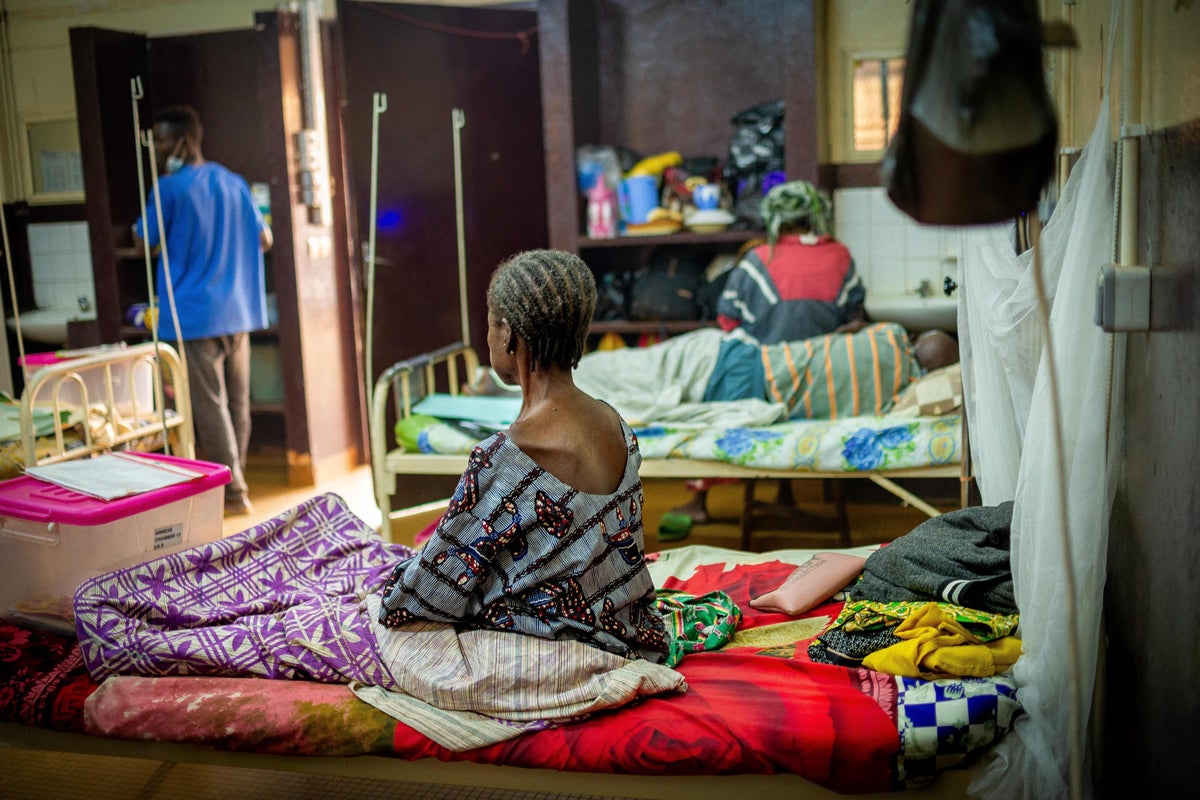
- Testing drops: HIV testing programs in high-burden settings fell by 22% over the last two years. People don't know their status, and the silent spread continues.
- Prevention scaling back: In certain high-burden regions, funding for basic barrier prevention like condoms has dropped by over 90%.
- The innovation gap: Long-acting PrEP (pre-exposure prophylaxis) injections exist, but they aren't reaching the people who need them. The new declaration sets an ambitious target to scale up PrEP access to 20 million people by 2030, but without U.S. political alignment, financing that goal becomes incredibly murky.
Winnie Byanyima, the Executive Director of UNAIDS, didn't mince words during her brief layout of the situation, stating plainly that "innovations without access are not innovations. They are an injustice."
The Core Strategy for Global Health moving forward
With multilateralism fractured, relying on giant, unanimous UN declarations to save the day is a dead strategy. If you are running an NGO, managing a clinic, or working in public health advocacy, the playbook has changed. Here is how the response has to adapt right now.
1. Pivot to Regional Health Sovereignty
Stop waiting for global funds that have strings attached to Western or Russian political whims. Last year, 52 countries successfully increased their domestic financing for HIV responses. True sustainability means building local manufacturing capacity for generics and diagnostics within regional blocs, bypassing the international IP deadlocks entirely.
2. Protect Community-Led Infrastructure
When bilateral aid drops, large state-run programs are usually the first to fracture. It's the local, community-led organizations that keep people on antiretroviral therapy (ART). These networks are highly efficient at reaching criminalized or heavily stigmatized populations that state clinics ignore. Funding must bypass state bureaucracies and flow directly to these grassroots networks.
3. Integrate HIV into General Primary Care
Treating HIV as a isolated, boutique medical issue relies on specialized global grants that are disappearing. The only way to survive donor transitions is to fully fold HIV testing, counseling, and treatment into universal health coverage and basic primary healthcare systems. If an HIV check is just a standard part of a routine doctor visit, it protects the service from sudden foreign policy shifts.