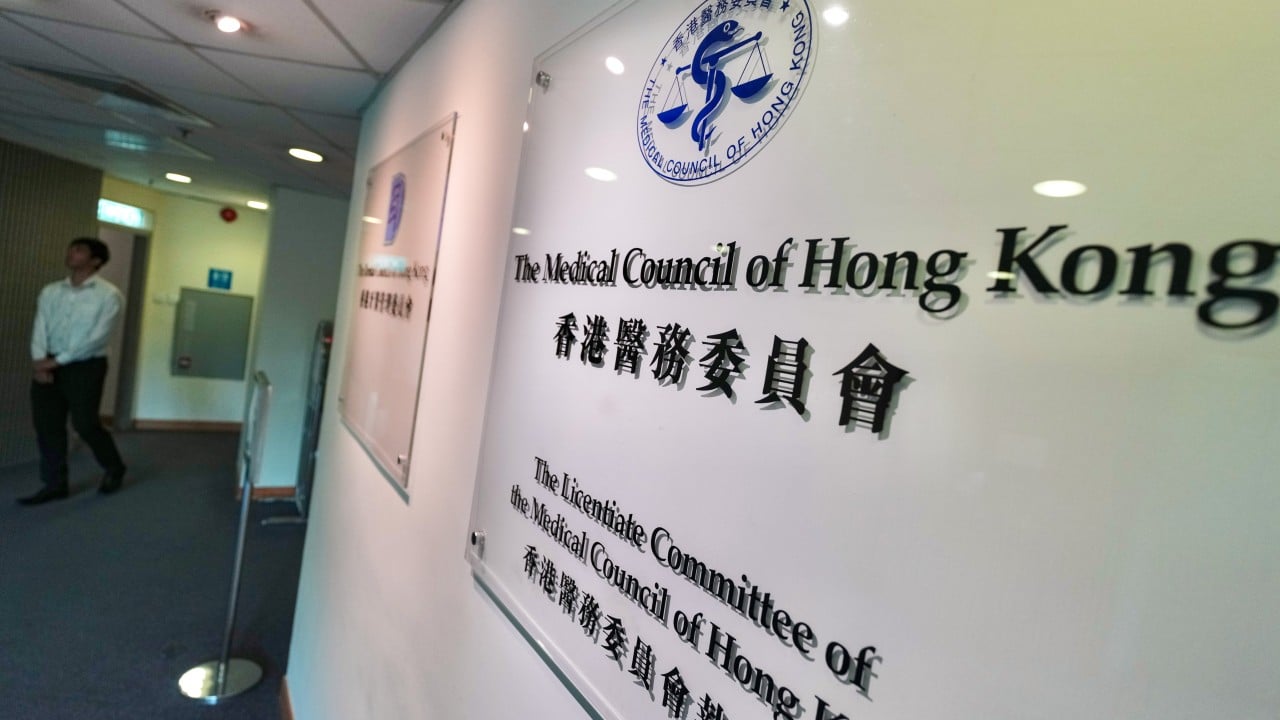
Imagine waiting 15 years just to find out if the doctor who permanently disabled your child will face any consequences. It sounds like a bad movie plot, but it's exactly what happened in Hong Kong.
The case of Dr. Sit Sou-chi, accused of a 2009 medical blunder that left a young boy permanently disabled, dragged on for an astonishing decade and a half. Last year, the Medical Council of Hong Kong dropped the case entirely because the procedural delay itself prevented a fair hearing. Though they eventually made a U-turn after massive public outcry, the damage to public trust was already done.
For decades, Hong Kong's medical watchdog has operated like an insular, self-protecting club. Doctors judging doctors.
Now, the government is finally stepping in with a sweeping overhaul of the Medical Registration Ordinance. The headline change? Expanding the Medical Council from 32 to 35 members, lifting the share of non-medical lay members from 25% to 31%.
But this isn't just a numbers game. It is a fundamental shift in how medical accountability works in the city. If you've ever tried to file a complaint against a clinic or hospital in Hong Kong, you know the system feels rigged against the average citizen. This reform changes the playing field.
Breaking Up the Doctors Club
Right now, the Medical Council is overwhelmingly dominated by 24 doctors against just 8 lay members. Under the new proposal, three more lay members will join, bringing the total to 11 non-doctors out of 35 seats.
The three new additions won't just be random members of the public. The health bureau plans to draw these seats from other healthcare sectors, including nurses, physiotherapists, and occupational therapists. This brings a much-needed perspective from professionals who understand the clinical environment but aren't part of the traditional physician fraternity.
Secretary for Health Lo Chung-mau wants to maintain the absolute number of medical doctors while injecting these outside voices. It's an executive-led mechanism where all council members will ultimately be appointed by the Chief Executive.
Predictably, some traditionalists in the medical sector aren't thrilled about losing their overwhelming majority. But let's be honest, self-regulation has failed the public. When an institution takes an average of three and a half years just to progress from a filed complaint to a formal hearing, the system is fundamentally broken.
Faster Decisions and Separate Powers
The most critical part of this reform package isn't the composition of the boardroom. It's the total demolition of how complaints are processed.
The government plans to establish two entirely new, specialized bodies to handle grievances:
- The Medical Investigation Unit: A dedicated arm focused solely on gathering evidence and investigating claims.
- The Medical Tribunal: A separate entity that will hold formal inquiries and hand down judgments.
By splitting investigation and inquiry—tasks currently bottlenecked by the overworked Preliminary Investigation Committee—the government aims to slice the bureaucratic red tape. To back this up, the pool of independent adjudicators and assessors will double from 140 to 280.
What does this mean for a patient or a grieving family?
Health officials project that these changes will cut the average wait time for a hearing by over 30%. Instead of agonizing for 42 months, families might get answers within 29 months. It's still a long time, but it's a massive upgrade from the current multi-year black hole.
Even better, the new law will force the Medical Council to publish a concrete, public timeframe for handling complaints. No more hiding behind vague schedules while cases quietly expire due to procedural delays.
Lifelong Bans for Severe Offenses
The proposed changes also introduce a much harsher, zero-tolerance approach to criminal doctors.
Under the updated ordinance, any registered doctor convicted of an egregious criminal offense will face immediate, automatic, and permanent deregistration. There will be no leniency, no appeals, and no second chances for the most severe crimes. The government intends to draft a specific schedule of these unforgivable offenses, which explicitly includes:
- Murder
- Rape
- National security violations
For lesser criminal offenses, doctors will face swift suspensions or conditional registrations, depending on the severity. It eliminates the agonizingly slow review process that previously allowed convicted individuals to continue practicing medicine while their cases wound through the council’s sluggish committee loops.
A Two-Way Street for Appeals
In another major win for patient rights, the legislative update fixes a glaring double standard in the current law.
Right now, if the Medical Council rules against a doctor, that doctor has a clear legal pathway to appeal the decision. But if the council dismisses a patient's complaint at the preliminary stage, the patient is essentially powerless, left with no viable avenue to challenge the rejection.
The new bill rectifies this imbalance by allowing complainants to formally appeal decisions. It gives regular citizens a right that doctors have enjoyed for decades.
The Real Agenda Behind the 31%
While shortening wait times and booting criminal doctors are obvious wins, there's a broader strategy at play here. Hong Kong is facing a severe, chronic shortage of medical professionals, and the local doctor community has historically protected its turf fiercely by making it incredibly difficult for non-locally trained doctors to practice here.
By diluting the voting power of the physician monopoly on the Medical Council, the government makes it much easier to push through future reforms. This includes smoothing the path for qualified, foreign-trained doctors to enter the public healthcare system without jumping through impossible, protectionist hoops.
The legislative proposal lands on the Legislative Council table for its first reading on July 8. It's a long-overdue correction. Public safety and institutional transparency must always outrank professional protectionism.
If you want to track how this affects your rights as a patient, keep a close eye on the Legco sessions starting this July. Look specifically for the published timeline mandates and the finalized list of immediate-ban criminal offenses. If you are currently dealing with an unresolved medical grievance, prepare to utilize the new Medical Tribunal system once it goes live to push for a faster resolution.