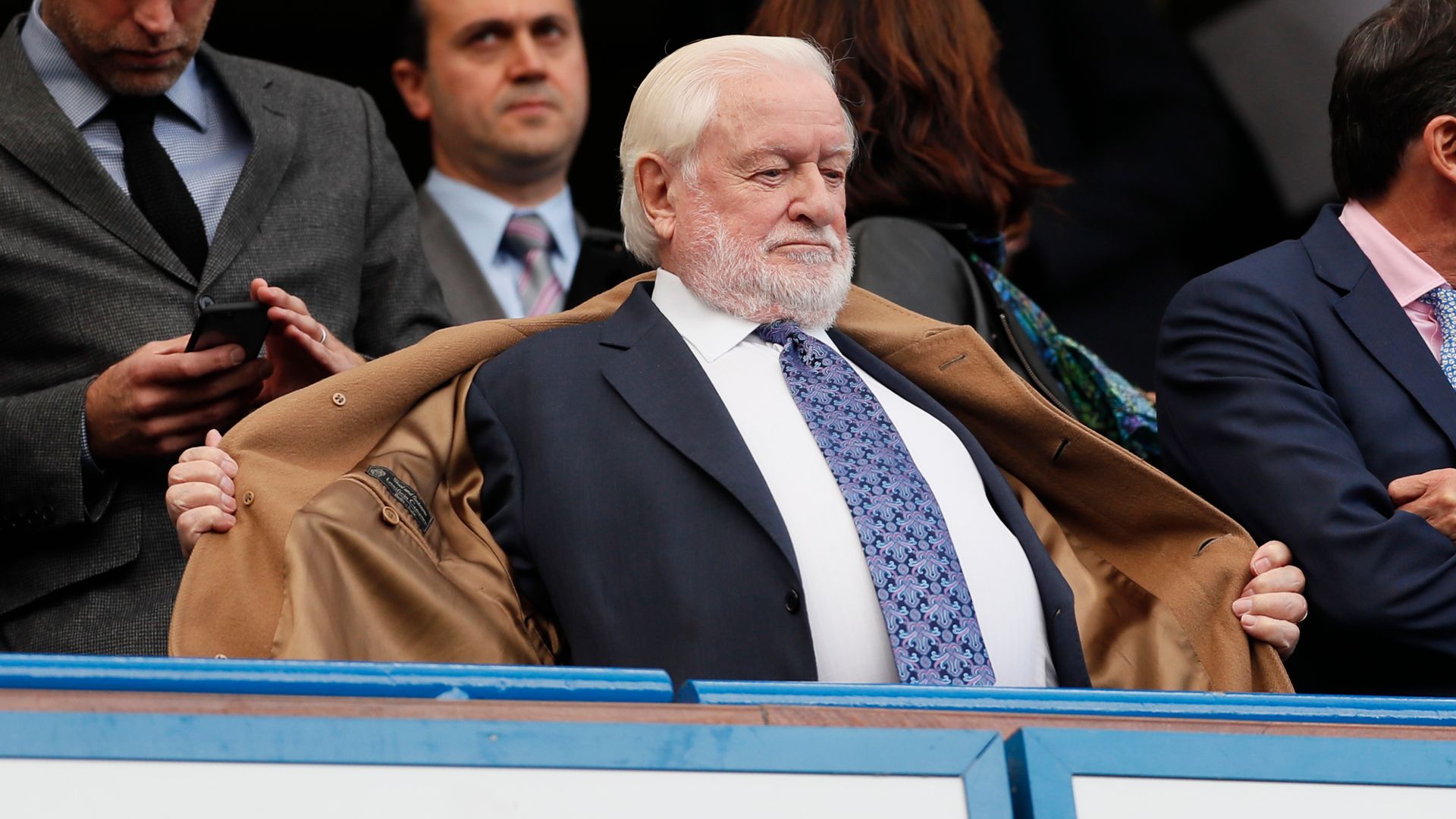
Football lost one of its absolute loudest, most combative, and polarizing figures when former Chelsea owner Ken Bates died peacefully in Monaco at the age of 94. The official statement from Chelsea confirmed his passing, noting he was surrounded by his wife Suzannah and his family. The club rightly praised his determination to fight for the Blues when times were tough. It's a sentiment that rings true, even if his methods often left people completely stunned.
To the modern fan, Chelsea represents billionaire owners, Champions League trophies, and blockbuster transfer windows. But none of that exists without the bizarre, high-stakes gamble Bates took back in 1982. He bought a bleeding, bankrupt club for a single pound coin.
He inherited a nightmare. The club was drowning in two million pounds of debt, which was an astronomical sum back then. The bank had just refused to extend their overdraft. Management had to decide whether to bounce the check for the players' wages or the one for the Football Association. The players went unpaid. Stamford Bridge was falling apart, and the team was sliding toward the absolute bottom of the English Second Division.
Bates stepped into that absolute chaos. Over the next two decades, he dragged Chelsea out of the gutter and laid the literal foundation for everything the club is today.
The Battle for Stamford Bridge
You can't understand the impact Bates had without looking at the real estate war he waged to save Chelsea's home ground. When he took over, the Mears family dynasty that founded the club had lost control of the freehold for Stamford Bridge. Property developers had snatched it up, intending to flatten the stadium and build luxury apartments and shopping centers.
It looked like a losing battle. Most people expected Chelsea to be evicted, forced into a miserable ground-share, or pushed out of existence entirely. Bates dug his heels in. He spent a brutal decade locked in complex legal battles, board room standoffs, and public mudslinging matches with developers like Marler Estates.
He didn't blink. He used every trick in the book to stall, bankrupt, and outmaneuver the property firms.
By 1992, the developers went bust. Bates successfully secured the future of the stadium, eventually creating the Chelsea Pitch Owners initiative to ensure the fans held the freehold so no single owner could ever threaten the ground again. If you sit in Stamford Bridge today, you're sitting there because Ken Bates refused to lose that war.
High Voltage and Harsh Words
Bates wasn't a saint, and he certainly didn't care about public relations. He operated with a regular, unfiltered aggression that earned him a fierce reputation. His program notes became legendary for their venom, frequently targeting rival chairs, journalists, and even his own supporters.
His most notorious idea came during the dark days of British football hooliganism in the 1980s. To stop pitch invasions, Bates decided to erect an 11-foot-tall electric fence around the Stamford Bridge playing surface.
It wasn't a joke. The grid was fully installed and ready to be turned on. The local council and the Football Association ultimately stepped in and banned him from electrifying the fence before it could actually shock anyone. The fact that he even built it tells you everything you need to know about his mindset. He wanted control, and he didn't care who he offended to get it.
He regularly referred to the Chelsea Supporters' Association as "parasites." He fought bitterly with club legends. When he didn't get his way, he lashed out. Yet, the fans tolerated the tyranny because the results on the pitch were transforming their lives.
Building the First Modern Super Club
While he was fighting developers and fans alike, Bates was also completely reinventing how a football club generated revenue. Long before modern stadiums became entertainment hubs, he envisioned the Chelsea Village. He built hotels, restaurants, and apartments directly into the stadium complex.
Traditionalists hated it. They thought it took away from the raw soul of English football. Bates knew the old matchday revenue model was dead. He needed cash to fund a revolution on the pitch.
That money allowed Chelsea to transition from a gritty, lower-tier side into the most exciting, cosmopolitan team in England during the late 1990s. He shocked the football world by hiring Ruud Gullit as player-manager in 1996. Suddenly, Stamford Bridge became the destination for world-class foreign talent.
Gianfranco Zola, Gianluca Vialli, Marcel Desailly, and Roberto Di Matteo all arrived in West London. The club ended a painful 26-year wait for major silverware by winning the FA Cup in 1997. They added another FA Cup, a League Cup, and the UEFA Cup Winners' Cup to their trophy cabinet under his watch.
"Ken's determination to fight for Chelsea when times were tough, and drive the team on to winning trophies will never be forgotten." — Chelsea Football Club Official Statement
By the time he decided to sell the club in 2003, he had transformed it completely. He handed over a team that had just qualified for the Champions League to Roman Abramovich. He bought the club for £1 and sold it for £140 million.
The Leeds United Disappointment
The story didn't end in West London. In 2005, Bates took his heavily confrontational style up north to Leeds United, buying a 50 percent stake in a club that was spiraling out of control financially.
He promised to work the same magic he pulled off at Chelsea. It didn't happen.
Instead, his eight-year tenure at Elland Road became defined by severe fan protests, administration, and relegation to the third tier of English football. Leeds fans grew to despise his leadership. They felt he was stripping the club of its assets, charging exorbitant ticket prices, and refusing to invest in the squad while hiding behind complex offshore ownership structures in Monaco and the West Indies.
He constantly clashed with the Leeds support, famously calling protesting fans "morons" and "shoutees." When he finally sold the club to GFH Capital in 2012, he left behind a fractured fanbase and a club that was a shadow of its former self. It proved that the exact same stubbornness that saved Chelsea could completely alienate a club when the results didn't go his way.
A Complicated Legacy
How should football remember Ken Bates? It depends entirely on which part of the country you ask.
If you ask a Leeds fan, they'll likely tell you he was an arrogant chairman who mismanaged their club and insulted the community. If you ask a Chelsea fan, they'll acknowledge the madness, the insults, and the electric fences, but they'll also admit they wouldn't have a club without him.
He was the last of a dying breed of self-made British football chairs who ran clubs like personal fiefdoms before the era of multi-club ownership groups and sovereign wealth funds took over the sport completely. He was loud, deeply flawed, and incredibly effective when his back was against the wall.
To understand his impact today, look closely at the steps he took during his career.
- He proved that stadium ownership is the ultimate leverage for a football club's long-term survival.
- He pioneered the integration of hospitality and football, creating the blueprint for the modern stadium experience.
- He shifted English football's focus toward global talent, changing the style and culture of the Premier League forever.
Bates lived his life out loud, made countless enemies, and fundamentally altered the history of English football for a single pound coin. Love him or hate him, you simply cannot write the history of the modern game without him.