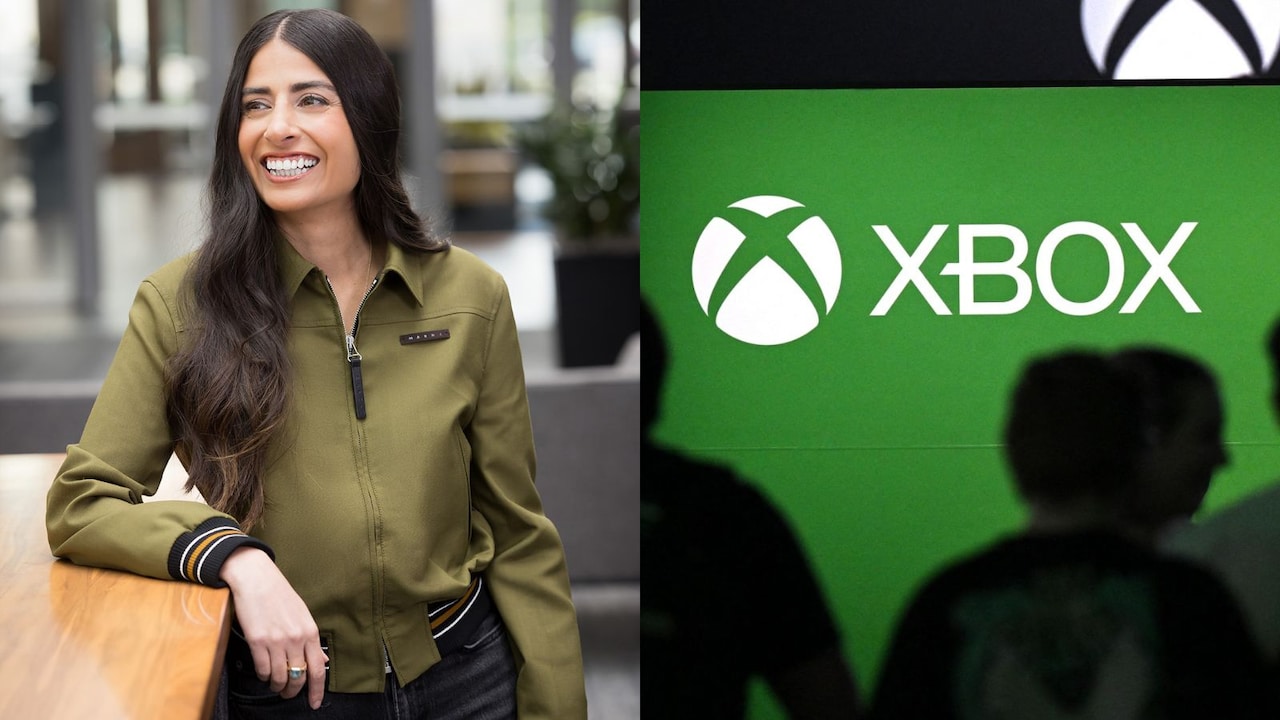
Xbox just pulled the trigger on the most aggressive downsizing in its history, and it's a brutal reality check for the entire video game industry.
CEO Asha Sharma announced that the company is cutting 3,200 jobs throughout fiscal year 2027. Half of those cuts—1,600 people—are packing their bags immediately. If you think this is just another standard corporate restructuring, you're missing the bigger picture. This isn't a minor tune-up. It's a complete structural demolition.
Along with the massive headcount reduction, Xbox is divesting four of its notable internal game studios: Compulsion Games, Double Fine Productions, Ninja Theory, and Undead Labs. A fifth studio, Arkane France, is currently entering consultations that could lead to a sale or closure.
When a trillion-dollar company dumps the talent behind franchises like Hellblade and Psychonauts while admitting its business model is failing, it's time to stop looking at these layoffs as isolated incidents. The corporate strategy that defined the last decade of gaming is officially dead.
The Brutal Math Behind the Crisis
For years, the prevailing wisdom in the gaming sector was simple: buy every studio in sight, pump up subscription numbers, and dominate the market through sheer size. Microsoft spent an eye-watering $68.7 billion to acquire Activision Blizzard, thinking scale would solve everything. It didn't.
In her memo to staff, Sharma didn't mince words. She directly stated that Xbox's profit margins are currently three to ten times lower than its direct publishing and platform competitors. Last month, internal metrics revealed the company's accountability margin had plummeted to a dismal 3%. For every dollar Xbox invested in certain studios, it was losing an average of 64 cents.
"Our business today is not healthy," Sharma wrote. "We entered Gen 9 with a smaller install base and a higher cost structure. To grow, we bet on Game Pass, multi-platform, and a broader portfolio of content. While those businesses have created meaningful value, they did not grow at the pace we expected."
The reality is that Xbox bet the house on Xbox Game Pass acting as a tech-style growth engine. They expected exponential subscriber acquisition to offset the massive costs of day-one game releases and ballooning studio overhead. Instead, subscriber growth plateaued. Combined with what Sharma labeled "the most severe hardware crisis in its history"—referring to sluggish Xbox Series X/S console sales compared to Sony's PlayStation 5—the cash burn became entirely unsustainable.
Drowning in Fourteen Layers of Management
While it's easy to blame shifting consumer habits, the internal memo exposes a staggering level of corporate rot and operational bloat inside Xbox.
As the brand expanded through massive acquisitions, it became a bureaucratic nightmare. Sharma revealed that before this restructure, some pieces of work had to pass through as many as 14 layers of management before getting approved. The platform engineering teams had swelled by 40% since the start of the console generation, even though actual player engagement and total playtime were actively shrinking.
When you have that many managers checking the work of other managers, you don't get better games. You get gridlock. Decisions slow down, accountability vanishes, and creative studios spend more time navigating corporate politics than writing code.
To combat this, the restructuring plans to radically flatten the entire organization. Xbox is capping management at a maximum of five layers, and aiming for just three in most departments. They are also slashing vendor spending by 50% and creating a brand-new Chief Operating Officer position, filled by Helen Chiang, to centralize control over content, hardware, and platform operations. The goal is to move away from a fragmented empire of independent studios and back toward a centralized model focused on proven, heavy-hitting blockbusters like Minecraft, Fallout, and The Elder Scrolls.
The Independent Escape Hatch
The silver lining in this corporate bloodbath is the unique way Xbox is handling its studio departures. Instead of outright shuttering teams like they did with Tango Gameworks and Arkane Austin earlier, Microsoft is spinning them out.
Compulsion Games and Double Fine are returning to independent status. They get to keep their full intellectual property rights, their back catalogs, and crucially, some baseline runway funding from Microsoft to keep the lights on. Meanwhile, Ninja Theory and Undead Labs are being sold off to new ownership groups with guaranteed backing to finish their highly anticipated upcoming projects, Senua’s Saga and State of Decay 3.
This divestment proves an embarrassing truth for Microsoft: they finally realized they don't know how to run mid-sized creative studios.
"It is neither possible nor desirable to own every great independent studio," Sharma admitted in the note. The corporate machinery required to run a massive conglomerate is toxic to the agility needed by a 100-person creative team. By releasing these studios back into the wild, Xbox is acknowledging that these teams have a better chance of survival on their own than under the Microsoft umbrella.
The Playbook for What Comes Next
If you're working in the games industry or managing a team in a volatile tech market, the Xbox collapse offers concrete lessons on where the market is moving. The era of unchecked corporate expansion is over, and survival requires a completely different operational playbook.
- Prioritize Flatter Teams Over Bureaucracy: If your organization requires more than four layers of approval to ship a feature or make a creative decision, you're bleeding efficiency. Build your structure around directly responsible individuals (DRIs) who have the authority to greenlight work without waiting for committee approval.
- Audit Core Operating Margins Early: Stop chasing top-line user growth or vanity metrics if your core operating margin is shrinking. If a project or sub-studio is consistently losing money on the dollar, subsidizing it with healthier business units only masks the problem until it becomes a catastrophe.
- Focus on Intellectual Property Ownership: For creators, the salvation of Double Fine and Compulsion highlights the absolute value of intellectual property. When negotiating deals or structuring partnerships, retaining the rights to your IP is your ultimate safety net if a corporate parent decides to pivot.
Xbox isn't going away, but it will look completely different by 2027. The company is betting that a leaner, flatter structure focused entirely on its biggest mega-franchises can salvage its profitability. But for the 3,200 workers losing their livelihoods, it's a painful reminder that in corporate gaming, human talent is always the first expense to be wiped off the balance sheet when the data points don't line up.