The 8 a.m. scramble to secure a GP appointment in England is a miserable ritual. You call right when the lines open, sit through an endless automated message, and find yourself forty-second in the queue only to be told everything is booked. It's frustrating, inefficient, and frankly dangerous for people who need immediate care.
NHS England thinks it has the answer. A massive tech overhaul is rolling out a new triage tool baked directly into the NHS App. This tool uses artificial intelligence to grill you about your symptoms and decide exactly where you belong. Should you get a precious face-to-face slot with a doctor? Can a local pharmacist handle it? Or do you just need to take some paracetamol and rest? Meanwhile, you can explore related events here: What Most People Get Wrong About Assisted Spelling For Autism.
The health service says this is a major win for efficiency. It's aimed at getting you to the right care on the first try. A recent trial at the Wealden Ridge Medical Partnership in Sussex saw a 29% drop in the number of people waiting on phone lines. Over the next 12 months, the tool will hit 200,000 patients, with a full national rollout scheduled for completion by April 2028.
But replacing human gatekeepers with software isn't a simple plug-and-play upgrade. It radically shifts how patients interact with medicine. To explore the complete picture, check out the excellent analysis by World Health Organization.
The Real Goal Behind the App Upgrade
Let’s look at why this is happening. The government's 10 Year Health Plan is trying to claw back billions of pounds and tackle agonizingly long waiting lists. The tech package aims to generate £41 billion in total benefits over the next decade.
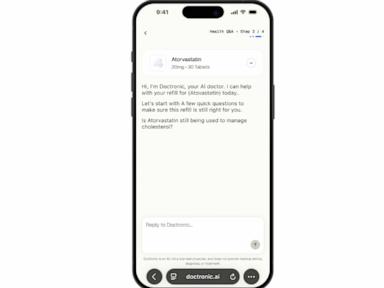
When you log into the app, the software won't just run a static checklist. It adapts its questions based on your previous answers to build a detailed picture of what's wrong. If you report a mild skin rash, it might guide you toward the Pharmacy First service. If you describe crushing chest pain, it should flag that immediately for emergency services.
The software also plays nice with the backend. If your issue does require a GP, the tool packages your answers and hands them to clinicians. Doctors get a tidy summary before you even walk through the door, letting them prioritize the sickest patients first.
Alongside this triage tool, the NHS is rolling out ambient voice technology to transcribe hospital consultations in real time. Trials at Great Ormond Street Hospital showed that cutting down on manual typing allowed staff to spend 25% more time interacting with patients. If you’ve ever sat in a clinic watching a doctor stare at a monitor while frantically typing, you know how much this matters.
What Could Go Wrong with Algorithmic Triage
The theory sounds great, but medicine in the real world is messy. The biggest headache with automated medical triaging is algorithmic risk aversion.
Software doesn't like ambiguity. If an app can't be 100% sure your stomach ache is just mild indigestion, it will default to the safest, most legally bulletproof advice: go to Accident and Emergency or call 999. We already see this with the current 111 telephone service, which frequently funnels defensive, risk-averse recommendations to patients, clogging up emergency rooms with minor issues. If the new app behaves the same way, it won't relieve the burden on the NHS. It'll just shift the bottleneck from GP surgeries to hospital waiting rooms.
Then there's the problem of how patients communicate. People are notoriously bad at describing their own symptoms. A patient might downplay severe pain because they don't want to make a fuss, or they might overstate a minor symptom out of anxiety. A trained medical receptionist or nurse reads between the lines. They hear the wheeze in your breath, notice the hesitation in your voice, or recall that you have a history of heart issues. The app can only grade the words you type into the box.
Nursing bodies and health foundations are already raising flags about digital exclusion. Millions of elderly or vulnerable patients don't own a smartphone, let alone feel comfortable navigating an adaptive app interface. While the NHS promises that traditional phone lines will remain open, there's a real fear that those who can't or won't use the app will find themselves pushed to the back of the queue.
Privacy and Flawed Data
We also need to talk about data and liability. The NHS is introducing a Single Patient Record to connect your medical history across different trusts. This means the triage tool will theoretically know your past diagnoses, but it also creates a massive target for cyberattacks. The Royal College of Nursing has already warned that any system handling ambient voice recordings during consultations must have ironclad confidentiality protections.
Furthermore, AI tools are notorious for creating extra work when they mess up. If a clinician has to spend half their day correcting a flawed transcription or re-evaluating a patient who was completely miscategorized by the app, the promised productivity gains evaporate.
There's a fine line between using tech to streamline admin and using it to replace human clinical judgment. The NHS insists doctors are still in control, but as the system grows more reliant on automation to survive a funding crisis, the algorithm's influence will only grow.
Your Next Steps
If your local practice is part of the early rollout, you'll see these changes hit your phone soon. Here is how to handle the shift.
- Keep your app updated: Ensure you have the latest version of the NHS App downloaded and your identity verified so you can use the features as they go live.
- Be painfully precise: When filling out the triage questions, don't minimize or exaggerate. Use clear, objective descriptions of your symptoms to avoid triggering an unnecessary trip to A&E.
- Use the alternatives if needed: Remember that the app is legally an option, not a mandate. If your condition is complex or you feel the tool isn't understanding your situation, call your surgery directly.