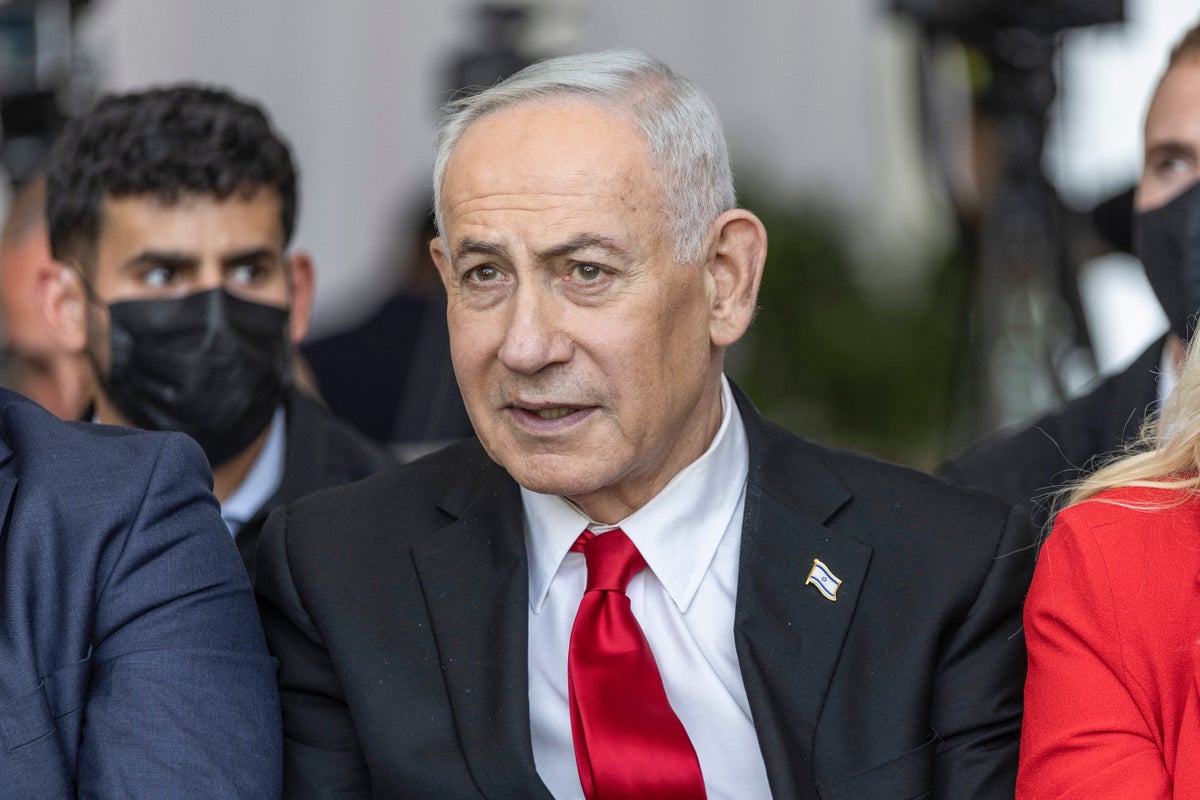
New York City Mayor Zohran Mamdani wants Benjamin Netanyahu in handcuffs the moment the Israeli Prime Minister steps onto American soil for the United Nations General Assembly this September. Donald Trump made it crystal clear on Truth Social that it isn't going to happen, declaring that Netanyahu "will not be arrested, in any way, shape, or form" while visiting the United States.
The standoff has set off a political firestorm between City Hall and the White House. It also highlights a massive misunderstanding of how international legal warrants, federal supremacy, and diplomatic immunity work in the United States.
Mamdani told The New York Times that his administration is holding active discussions with the city legal team to see what local law permits regarding the International Criminal Court (ICC) arrest warrant issued for Netanyahu in late 2024. But behind the fiery political rhetoric lies a hard legal wall that the mayor simply can't climb over.
The Federal Barrier Stopping New York Police Cold
Mayor Mamdani oversees the NYPD, but that doesn't mean local police officers can carry out international mandates whenever a mayor feels like it. Under the U.S. Constitution's Supremacy Clause, federal law overrides local municipal orders every single time.
American policy regarding the International Criminal Court has been codified for decades. In 2002, Congress passed the American Service-Members' Protection Act, often nicknamed the "Hague Invasion Act." That statute expressly prohibits state and local government agencies from assisting, cooperating with, or providing official resources to the ICC. If Mamdani were to order NYPD officers to execute an ICC warrant, he would be ordering city employees to commit a direct violation of federal law.
Federal law actively protects foreign heads of government visiting the U.S. on official business. 18 U.S. Code § 112 makes it a federal crime to intimidate, harass, obstruct, or imprison foreign officials. A local police officer who attempts to detain a foreign leader protected by federal security detail faces federal charges and up to three years in prison.
The State Department grants diplomatic immunity to visiting foreign dignitaries attending official UN functions in New York. Under the UN Headquarters Agreement signed in 1947, the United States is legally obligated to grant diplomatic entry and transit rights to official delegates and national leaders traveling to UN headquarters, regardless of political disputes.
What Trump Said and Why It Matters
Trump framed the dispute around current U.S. foreign policy and military engagement against Iran. Writing on Truth Social, the president defended Netanyahu and pointed out that Israel remains an essential partner in confronting Tehran.
"Benjamin Netanyahu will not be arrested, in any way, shape, or form, while in the United States of America. He is fighting against the Islamic Republic of Iran," Trump posted. He argued that the real targets for international law enforcement ought to be the regime figures in Tehran who led their country into a "spiral of death and destruction."
Trump's statement wasn't just political posturing—it signaled that the executive branch will use every federal tool available to block municipal intervention. The U.S. Secret Service and State Department Diplomatic Security Service provide primary security details for foreign leaders attending the UN. If NYPD attempted to interfere, federal agents would physically block them.
This isn't the first time Trump and Mamdani have clashed over law enforcement boundaries. During his mayoral campaign, Mamdani vowed to shut down Immigration and Customs Enforcement (ICE) operations inside city limits. Trump threatened federal crackdowns in response. While the two later met at the White House to discuss municipal funding, the foundational tension over federal authority remains unresolved.
Mamdani Knows His Hands Are Tied
If you read the mayor's actual statements carefully, you'll notice he's already building himself an exit ramp. He isn't claiming he can unilaterally override federal statute.
"I believe that Prime Minister Netanyahu belongs in The Hague. He's a war criminal who has been charged by the International Criminal Court," Mamdani said. But when pressed directly on how he would execute an arrest, he pivoted. "Whatever the law allows me to do in New York City, that's what we will do, but we won't be writing our own laws to that end."
That distinction is everything. By acknowledging that City Hall will not write new local ordinances to enforce ICC warrants, Mamdani effectively conceded that current law gives him zero leverage. The city's Law Department will almost certainly advise him that any attempt to use the NYPD against Netanyahu would trigger an immediate federal injunction and subject involved officers to federal prosecution.
Netanyahu brushed off the threat during a radio interview, calling the ICC a "kangaroo court" and claiming Mamdani's rhetoric was aimed at distracting voters from local governance failures in New York. Israeli UN Ambassador Danny Danon went further, asserting that Netanyahu would address the General Assembly "with pride" and suggesting ironically that Mamdani is the one who ought to face charges for neglecting city duties.
The Real War Over the International Criminal Court
The feud between City Hall and the White House reflects a much larger conflict over international governance. The U.S. has never been a member of the Rome Statute, the treaty that established the ICC in 2002. Both Democratic and Republican administrations have consistently maintained that the court has no jurisdiction over citizens or allies of non-member nations like the U.S. and Israel.
When the ICC issued arrest warrants for Netanyahu and former Israeli Defense Minister Yoav Gallant in late 2024 over war conduct in Gaza, Washington reacted forcefully. The Trump administration took things several steps further by imposing direct economic sanctions against ICC prosecutors and judges.
Earlier this year, Secretary of State Marco Rubio outlined an explicit U.S. policy goal to dismantle the ICC's operational authority, characterizing the court's actions as a direct threat to American national sovereignty. From Washington's standpoint, allowing a city mayor to enforce an ICC warrant against a U.S. ally would undermine national foreign policy.
| Jurisdiction / Entity | Stance on ICC Warrant | Legal Authority in NYC |
|---|---|---|
| U.S. Federal Government | Rejects ICC jurisdiction entirely; actively sanctions court members | Complete authority over foreign diplomacy and immunity |
| New York City Mayor | Supports ICC warrant; views Netanyahu as a war criminal | Limited to local municipal ordinances; cannot override federal law |
| International Criminal Court | Issued warrant in 2024 for alleged Gaza war crimes | No legal standing inside the United States |
| State of New York | Governor Kathy Hochul previously clarified mayor lacks arrest power | State law cannot violate federal treaties or head-of-state immunity |
Political Theater Serving Both Sides
Why does this clash keep coming up if the legal answer is already settled? Because both political figures gain immense leverage from the fight.
For Mamdani, taking a hard public line against Netanyahu reinforces his standing with progressive voters and anti-war activists who form his core political base. It keeps his name in national political headlines and positions him as a vocal critic of U.S. foreign policy.
For Trump, stepping in to shut down a progressive mayor allows him to showcase executive strength, reassure key pro-Israel allies, and rally conservative voters against municipal overreach. It reinforces his message that foreign policy is dictated from the Oval Office, not City Hall.
Netanyahu gets his own political benefit. Facing intense domestic pressure and political opposition back home in Israel, being targeted by progressive American politicians allows him to frame himself as a battle-tested defender of Israeli sovereignty against international hostility.
What Actually Happens in September
When the UN General Assembly convenes in New York City this September, expect heavy security, massive street protests, and non-stop media coverage. You will not see the NYPD place Benjamin Netanyahu in handcuffs.
Netanyahu will land at JFK or Newark, receive full diplomatic clearance from federal authorities, move through Manhattan surrounded by Secret Service and State Department guards, and deliver his address at the UN rostrum.
Mamdani may speak at rallies or issue formal city proclamations condemning the visit. But the legal realities of U.S. federalism ensure that federal protection will completely insulate the Israeli Prime Minister throughout his time on American soil.
If you want to track how this conflict develops, keep an eye on official filings from the NYC Law Department over the next few weeks. They will inevitably issue a memo formally outlining the limits of municipal power regarding foreign heads of state. Watch for any emergency injunctions filed by federal prosecutors in the Southern District of New York if City Hall attempts any official administrative moves.



:max_bytes(150000):strip_icc():focal(999x0:1001x2)/rishi-sunak-akshata-murthy-10-78981f8236984c69b70bc15bcb3d49e9.jpg)