Two teenage boys from Pyongyang wanted to learn how to drive a military truck. Instead, they woke up freezing in the mud of Russia's Kursk region, gripping rusted rifles they didn't know how to shoot. In January 2025, Ukrainian forces dragged them out of a trench. They didn't even know they were in Ukraine.
Now, a year and a half later, these two unnamed North Korean prisoners of war (POWs) have sparked a diplomatic nightmare that reaches from Kyiv to Seoul. Building on this idea, you can find more in: Why The Venezuela Earthquake Aftermath Is Turning Into A Second Medical Disaster.
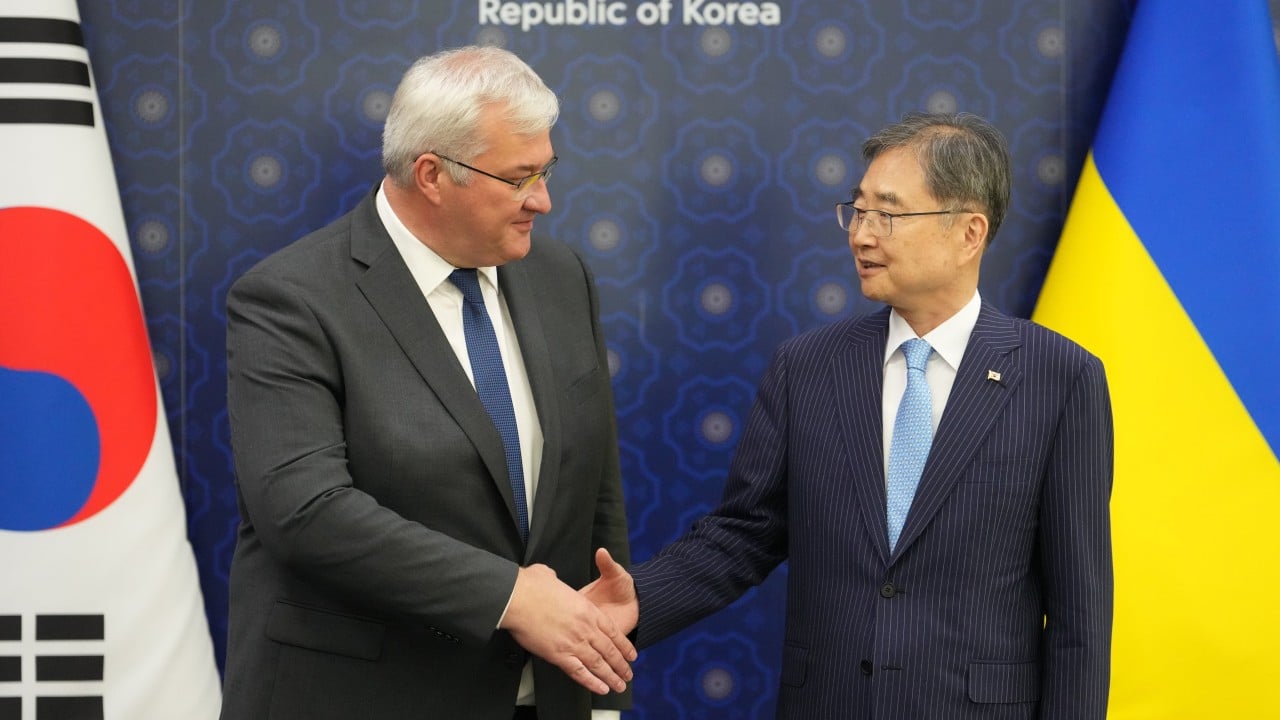
On June 30, 2026, Ukrainian Foreign Minister Andrii Sybiha landed in Seoul for talks with his South Korean counterpart, Cho Hyun. It was the first visit by a Ukrainian foreign minister in 11 years. They ordered lunch. They shook hands. But behind the polite diplomatic pageantry lies a toxic geopolitical problem.
The two prisoners want to defect to South Korea. Under South Korea's constitution, they are technically citizens. Seoul wants them. But Kyiv is holding back, and the reasons reveal the messy, transactional nature of wartime diplomacy. Experts at The New York Times have also weighed in on this situation.
The Legal Trap on the Front Lines
You would think the situation is simple. If a North Korean soldier wants to defect to the democratic South, South Korea takes them. That is how it has worked for decades.
Except it is not that easy anymore. This is a hot war.
The issue is a head-on collision between two entirely different legal realities.
- The Constitutional Mandate: South Korea's Constitution treats the entire Korean peninsula as its sovereign territory. Anyone born in North Korea is legally a South Korean citizen. Seoul cannot legally turn away a North Korean defector who asks for asylum.
- The Geneva Conventions: Article 118 of the Third Geneva Convention states that prisoners of war must be released and repatriated without delay after active hostilities end.
Russia is putting immense pressure on Ukraine to return these two soldiers as part of a regular prisoner exchange. Moscow wants them back because Kim Jong Un wants them back. Pyongyang needs to silence them before they tell the world what a meat-grinder the Russian front lines actually are.
If Ukraine hands them over to Russia, they go back to Pyongyang. The Kim regime has already made its policy clear. Kim Jong Un recently praised fallen soldiers for "heroic suicidal explosions" and instructed troops to take their own lives rather than face capture. One of the captured soldiers told South Korean broadcaster MBC: "If I am not brought to South Korea, I will end up dying." Returning them is a death sentence.
What Ukraine Actually Wants From Seoul
Kyiv is not holding these prisoners out of cruelty. They are holding them for leverage.
Ukraine is fighting an existential war. Over 14,000 North Korean troops flooded into Russia since late 2024, and Ukraine's military intelligence reports that more than 7,000 North Koreans have already been killed or wounded. Ukraine needs weapons, not diplomatic handshakes.
South Korea has some of the largest stockpiles of 155mm artillery shells on earth. They build world-class tanks and air defense systems. But Seoul has a strict domestic policy: they do not send lethal weapons to active war zones. They have sent financial aid, demining equipment, and humanitarian supplies, but they have consistently refused to send the big guns directly to Kyiv.
Ukraine sees the North Korean POWs as a card to play.
THE GEOPOLITICAL STANDOFF:
[North Korean Troops/Ammo] ---> Sent to Russia ---> Attacks Ukraine
[Ukraine holds North Korean POWs] ---> Wants South Korean Weapons
[South Korea wants POWs] ---> Trapped by domestic law against sending weapons
During his visit, Sybiha traveled to the Demilitarized Zone (DMZ) separating the Koreas. His message was blunt. He pointed across the border and noted that the totalitarian regime helping Russia destroy Ukrainian cities means the historic line at the DMZ is now physically linked to the front lines in Ukraine.
He offered Seoul a "mutually beneficial security partnership." Translation: We will give you your citizens, but you need to give us the weapons to fight their commander's ally.
The Hidden Danger of a Forced Hand
South Korea's public wants these boys saved. Nobody wants to see two brainwashed teens sent back to a labor camp or a firing squad.
But if Foreign Minister Cho Hyun cuts a backroom deal to swap arms for prisoners, it triggers dangerous dominoes. Russia has already threatened South Korea with "complete destruction" of bilateral relations if Seoul sends lethal weapons to Ukraine. Russia still holds massive sway over North Korea's nuclear program. If Seoul crosses Moscow's red line, Russia could hand Kim Jong Un the missing pieces for his intercontinental ballistic missile technology.
So the diplomats do what they always do when trapped. They write press releases about "constructive discussions" and "humanitarian principles."
For now, the two North Korean soldiers are stuck in a legal limbo somewhere in Ukraine. South Korean officials are quietly coordinating with Kyiv to make sure the boys have winter clothing and decent food. They are safe from bombs for the moment, but they are pawns in a much larger game.
Actionable Next Steps for Tracking This Crisis
This issue is far from over. If you want to understand how this proxy conflict develops, keep your eyes on three specific indicators over the next few months:
- Watch the Reconstruction Contracts: South Korea announced deep involvement in the upcoming Ukraine Recovery Conference. If South Korean tech and construction firms suddenly get massive, lucrative contracts to rebuild Ukrainian infrastructure, it is a sign that a quiet compromise on the POW issue has been reached.
- Monitor Indirect Weapon Flows: South Korea likely won't send artillery directly to Kyiv. Instead, watch if they "lend" more ammunition to the United States to replenish American stockpiles. If US stockpiles go up, American shells go to Ukraine, and the POWs might suddenly find their way to a flight to Seoul.
- Track Russian Prisoner Swaps: Keep tabs on the official numbers of Ukrainian soldiers returned from Russian captivity. If a major exchange happens and the North Korean soldiers are noticeably missing from the list, Kyiv has decided to protect them for long-term diplomatic use.
The fate of two North Korean teenagers has exposed the fragile reality of global politics in 2026. A local war in Europe is no longer local. The lines between Eastern Europe and East Asia have completely blurred.