Think NATO only exists to protect Europe from Vladimir Putin? Think again. Right now, the biggest threat to the military alliance isn't coming from Moscow. It's coming from inside the house.
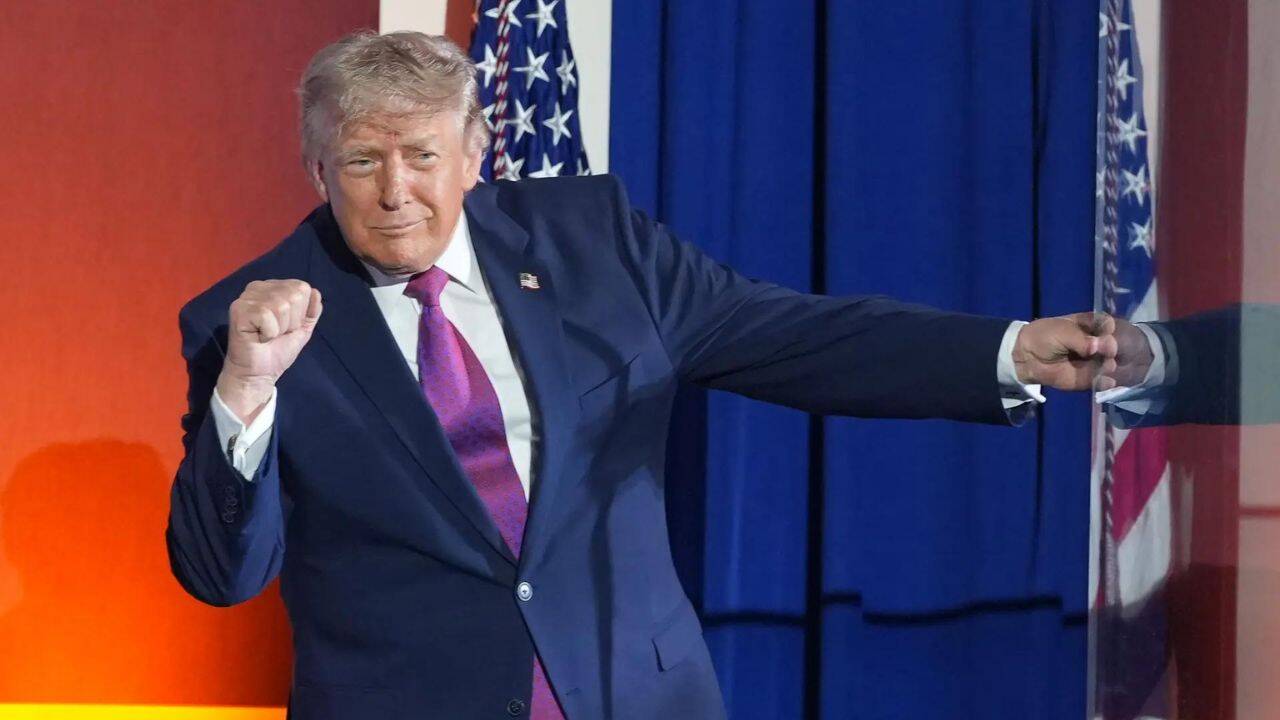
The ongoing Greenland crisis just reached a boiling point at the NATO summit in Ankara, Turkey. US President Donald Trump stood next to NATO Secretary General Mark Rutte and restarted a fight that everyone hoped was buried. Trump bluntly told reporters that Greenland should be controlled by the United States, not by Denmark. He even blamed European refusal to hand over the island for hurting his relationship with the alliance.
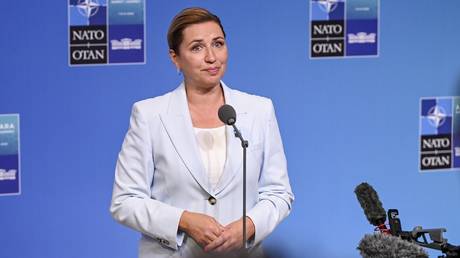
Danish Prime Minister Mette Frederiksen didn't back down. Arriving at the summit, she fired back with total clarity. Greenland is not for sale. Denmark is a sovereign state, and she expects everyone to respect their territorial integrity. When asked if Denmark would defend its territory from a supposed ally, her answer was unwavering. Of course they will.
This isn't just political theater or a bizarre real estate obsession. It's a fundamental test of modern international law. It's reshaping how European leaders view American security guarantees.
The Treaty Trap and How We Got Here
Most people think this sudden interest in Greenland started as a random Twitter joke during Trump's first term. It didn't. The obsession is rooted in geography and resources. Greenland sits directly between North America and Europe. It controls the critical maritime gateways to the Arctic. As polar ice melts, new shipping lanes open up, and massive untapped mineral reserves become accessible.
The US military already has a major footprint there. Under a 1951 defense agreement signed during the Cold War, the US operates Thule Air Base, now known as Pituffik Space Base. This base tracks incoming ballistic missiles and provides vital early warning systems.
Trump claims his demands are tied to pre-existing commitments from that 1951 treaty. But Denmark and the autonomous government of Greenland see things entirely differently. Under the Danish constitution, selling the territory is legally impossible. More importantly, the people of Greenland have an explicit right to self-determination. They aren't pieces on a chessboard to be traded away.
When Trump pushed the issue earlier, threatening a 25% import tax on European goods, Denmark responded by launching Operation Arctic Endurance. They sent hundreds of elite combat soldiers trained in arctic warfare straight to the territory. Think about that for a second. A founding NATO member had to deploy troops to protect its territory from the stated desires of another founding NATO member.
The Article 5 Dilemma
The real panic behind closed doors in Ankara isn't about real estate. It's about Article 5. This is the mutual defense clause at the very heart of the NATO treaty. It states that an attack on one ally is an attack on all. It was written in 1949 to deter the Soviet Union. The authors never anticipated a scenario where a US president hints at using pressure, or refusing to rule out force, against a fellow member.
Frederiksen explicitly invoked Article 5 this week. She reminded everyone that if anything happens to one member, everybody must stand up.
But will they?
If the US exerts extreme economic or grey-zone pressure on Denmark over Greenland, Article 5 doesn't offer a clear playbook. It's designed for outside threats. Iceland's Prime Minister Kristrún Frostadóttir tried to steer the conversation back to Russia, calling Moscow the biggest threat and urging allies to stick together. But European nations close to the Russian border are quietly terrified. They worry that if the US fractures the alliance over Greenland, the entire deterrent against Russia collapses.
What Happens Next
Mark Rutte has been trying to play peacemaker. He claims a framework deal was brokered earlier to defuse the crisis by offering the US greater military access, heavy investment in mineral extraction, and a new multilayered air defense system called the Golden Dome.
Trump clearly isn't satisfied with a compromise. He wants total control.
This leaves European nations with a stark choice. They can no longer rely blindly on the American security umbrella. If you want to understand where global security is heading, stop watching the frontlines in Ukraine for a moment and look north to the Arctic.
European states must accelerate their own independent defense capabilities. Relying on an ally that views your sovereign territory as a commercial acquisition is a losing strategy. Pay close attention to the upcoming European defense spending announcements over the next few months. That's where the real response to this crisis will be written.