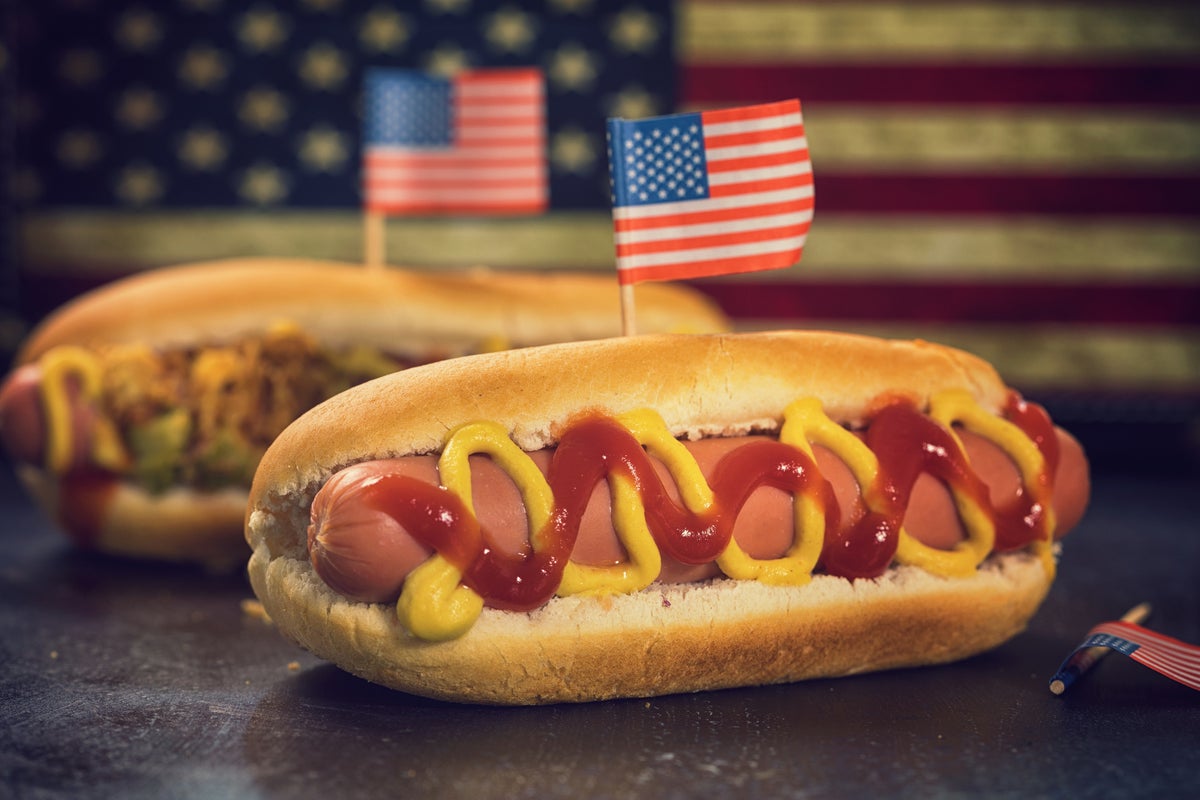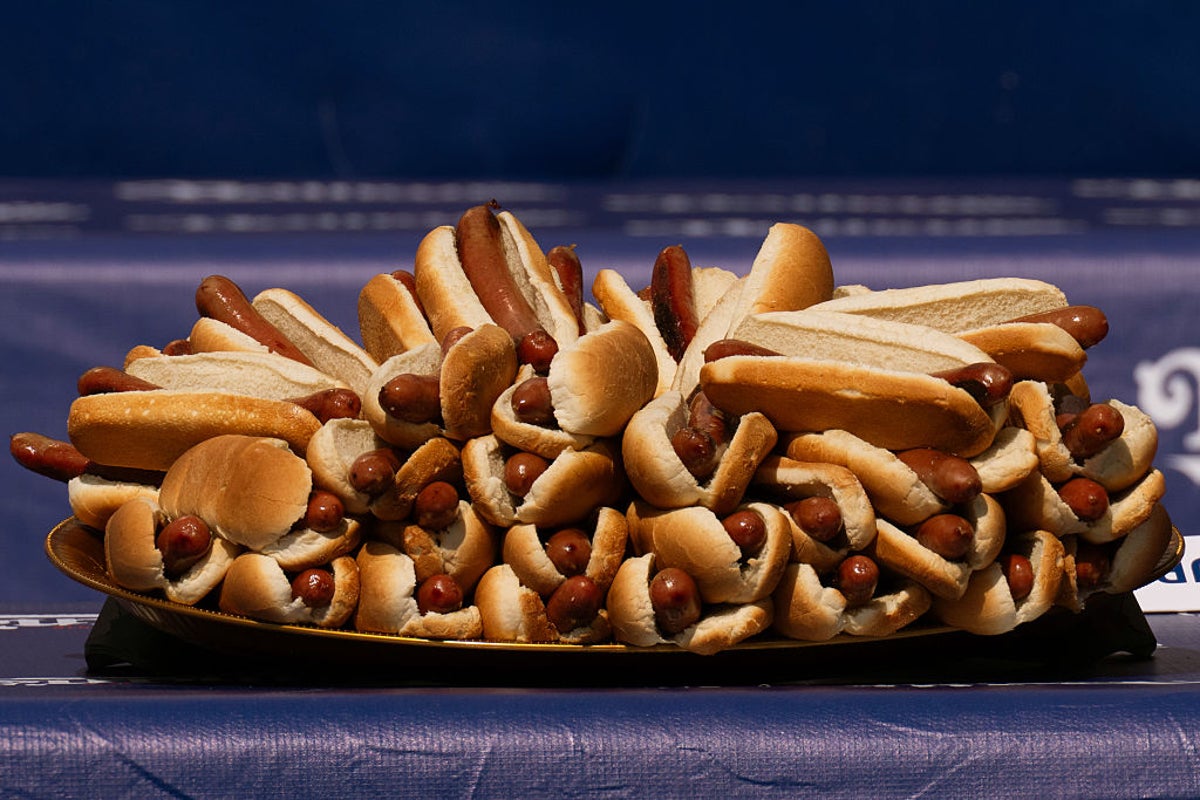
You probably think the hot dog is as American as baseball and apple pie. It's the ultimate backyard barbecue staple, the defining smell of summer stadiums, and the fuel of New York City sidewalks. But the truth is, America didn't invent the hot dog. We just weaponized its marketing.
The real story of this tube-shaped icon doesn't start in Coney Island. It goes back hundreds of years to the medieval guild houses of Germany and Austria. The transformation from a traditional Old World sausage into a global fast-food powerhouse is a masterclass in immigrant hustle, accidental inventions, and a healthy dose of dark humor. If you want to understand how a European staple conquered American culture, you have to look past the mustard and into the cutthroat street food wars of the 19th century.
The European Bloodline of America's Street Food
Two cities still fight over who owns the genetic material of the hot dog. Frankfurt, Germany, claims the Frankfurter Würstchen was born there in 1487. That's five years before Columbus even stumbled onto the Americas. These were lean, smoked pork sausages packed into thin casings, traditionally handed out during imperial coronations to keep the masses happy.
Then you have Vienna, Austria. The locals there point to the word wiener—derived from Wien, the German name for Vienna. In 1805, a butcher named Johann Georg Lahner, who trained in Frankfurt but moved to Vienna, made a critical tweak. He mixed beef with the traditional pork. This hybrid blend gave the sausage a snappier bite and a richer flavor profile.
When German immigrants packed their bags for America in the mid-1800s, they didn't leave their food culture behind. They brought these seasoned, smoked links with them, often referring to them colloquially as "dachshund sausages" because their long, thin shapes resembled the low-riding German hounds.
The Birth of the Bun was a Financial Rescue Mission
A common myth is that someone just magically realized meat belonged inside a sliced roll. In reality, the hot dog bun was invented out of sheer economic desperation.
When street vendors first started selling hot frankfurters to working-class crowds in the mid-to-late 1800s, they ran into a logistical nightmare. The sausages were dripping with grease and blistering hot. You couldn't just hand a boiling piece of meat to a guy in a wool suit.
In St. Louis, a Bavarian immigrant named Anton Feuchtwanger figured he could solve this by handing out white cotton gloves to his customers so they wouldn't burn their fingers. It was a terrible business model. Customers kept walking away with the gloves, destroying his profit margins. In 1880, after losing a fortune in knitwear, Feuchtwanger’s wife suggested a simple fix: skip the gloves and wedge the sausage inside a long, soft milk roll instead.
Down in New York, a German baker named Charles Feltman was hitting the same realization from a different angle. In 1867, Feltman ran a pie wagon along the beaches of Coney Island. He wanted to sell hot sandwiches, but his wagon was too small to house a full kitchen setup for slicing roast meats. He modified his cart, installing a custom charcoal stove to boil frankfurters and a built-in tin box to keep long buns warm.
Feltman sold over 3,600 "Coney Island Red Hots" in his first year. By the 1870s, he opened a permanent restaurant that eventually grew into an empire covering a full city block, serving thousands of sausages a day to city dwellers looking for a cheap, portable lunch.
Where the Name Really Comes From
Let's address the elephant in the kitchen. Why do we call a sausage a dog?
For decades, popular folklore credited a New York Journal sports cartoonist named T.A. "Tad" Dorgan. The story went that during a cold baseball game at the Polo Grounds in 1901, Dorgan heard vendors yelling, "Get your dachshund sausages while they’re red hot!" He supposedly drew a cartoon of barking dachshunds inside buns, but because he didn't know how to spell "dachshund," he just wrote "hot dog."
It's a great story. It's also completely fake. Historians have combed through Dorgan's archives and never found that cartoon.
The real origin of the term is way more cynical. In the 19th century, meat quality control was non-existent. German butchers were notorious for being tight-lipped about what actually went into their sausage casings. Rumors constantly swirled that sausage makers were buying up stray dogs to supplement their meat supply.
By the 1880s, college students at Yale, Harvard, and Princeton routinely referred to the mobile street carts outside their dorms as "dog wagons." It was dark, sarcastic humor. They were openly joking that the cheap food they were eating was probably canine meat. The name stuck, lost its sinister edge over the decades, and eventually became a multi-billion-dollar brand.
The Polish Immigrant Who Undercut the Empire
If Charles Feltman built the hot dog empire, it was a Polish immigrant named Nathan Handwerker who democratized it.
In 1915, Handwerker was working for Feltman at Coney Island. His job was mind-numbing: slicing buns and delivering franks to the grill stations for $11 a week. Handwerker was a saver. He lived on free hot dogs, slept on the kitchen floor, and managed to put away $300 in a year.
In 1916, Handwerker quit and opened a competing stand right down the street. Feltman was selling his high-quality premium hot dogs for ten cents. Nathan priced his at five cents.
It was a brilliant undercut, but it triggered a massive public relations problem. In 1916, people associated a five-cent sausage with garbage meat. They assumed Handwerker was using the literal "dog meat" people joked about.
To fix this, Handwerker dropped the pork entirely and switched to an all-beef kosher recipe, signaling purity to the masses. Then he hired actors, put them in white lab coats with stethoscopes around their necks, and paid them to stand by his cart eating hot dogs. If doctors were eating them on their lunch breaks, the public figured, the meat had to be safe. That five-cent stand eventually became Nathan’s Famous, the brand that cemented the hot dog into global pop culture.
How to Avoid Looking Like an Amateur at the Grill
Now that you know where the food comes from, let's look at how people ruin it today. The biggest mistake backyard cooks make is treating a hot dog like a raw burger. You're not trying to cook the meat; you're just heating it up and adding texture. Most store-bought dogs are already fully smoked and cooked.
If you want to step up your cooking game, stop boiling them until they swell and split. Boiling leaches out the salt, spices, and fat, leaving you with a soggy, bland sponge. Instead, try these three practical steps for your next barbecue:
- Score the skin: Take a knife and make shallow, diagonal cuts along the sausage before it hits the heat. This prevents the casing from bursting violently and creates crispy edges that trap your condiments.
- Toast the bun: A cold, straight-from-the-bag bun ruins the texture. Split your rolls, brush the insides lightly with butter or mayo, and drop them face-down on the grill for 30 seconds until they're golden.
- Layer strategically: Never put your wet ingredients directly against the bread. Put your cheese, sauerkraut, or chili down first to act as a barrier. This keeps the bun from turning into mush before you can finish eating.
The hot dog isn't a delicate culinary masterpiece, and it doesn't pretend to be. It's a survival food that evolved through centuries of European tradition and American capitalism to become the ultimate comfort food. The next time you grab one from a street cart or a ballpark vendor, you aren't just eating lunch. You're eating history.