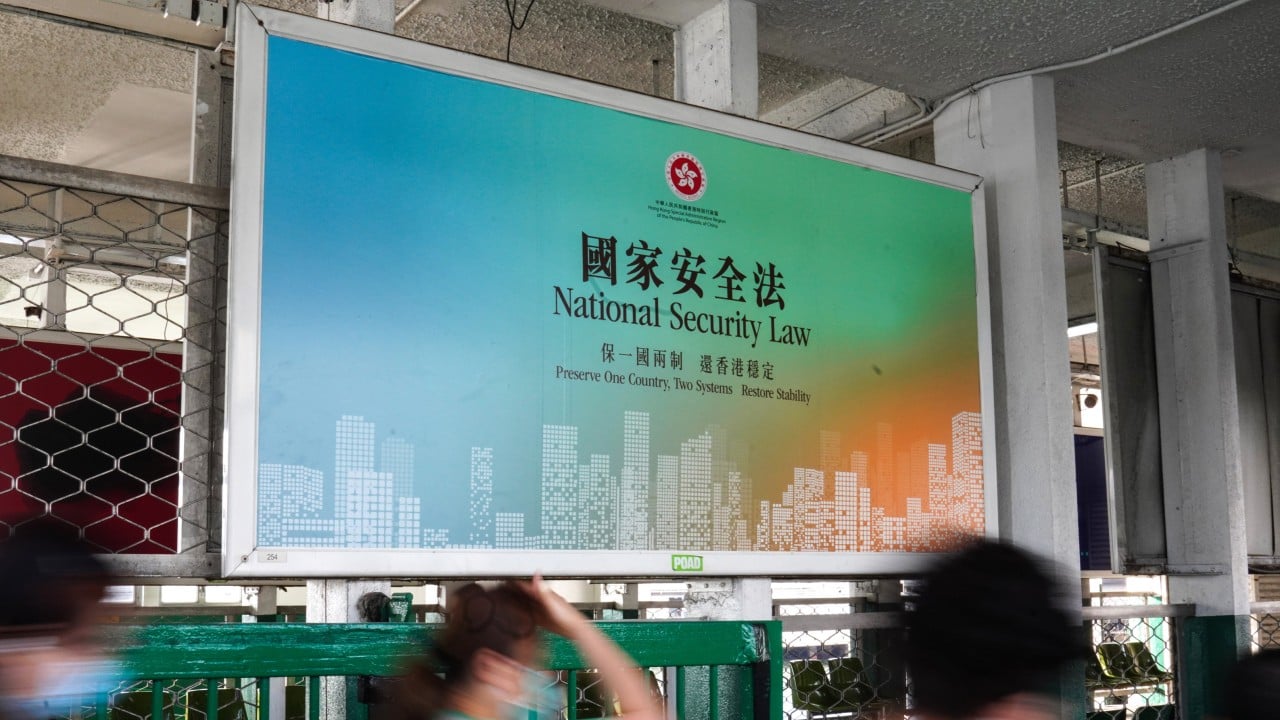
Will Hong Kong remain a global financial hub, or will regulatory overreach choke its economic engine? This question is on the minds of international investors right now. The answer doesn't lie in the text of the city's domestic national security regulation itself. It lies in how local authorities choose to execute it day by day.
For decades, the city thrived because it was predictable. The rule of law wasn't a slogan; it was the foundation of the economy. Now, with recent expansions to implementation rules—including criminal penalties for refusing to provide device passwords during investigations—the stakes are higher than ever. To maintain trust, the government has to show that its expanded toolkit will be used with extreme care, not as a blanket mechanism for everyday policing.
The Reality of Expanded Enforcement Powers
Let's look at what has actually changed on the ground. Recent updates to the national security framework have handed law enforcement specific mechanisms to demand digital data and mandate the removal of online messages deemed dangerous. Government officials argue these adjustments simply clarify existing legal loopholes and bring Hong Kong in line with international standards seen in Western nations.
While that comparison has legal merit, the market cares about perception and implementation. If a business believes its proprietary data or communication channels could be compromised through a heavy-handed interpretation of the law, it will look for the exit.
We saw an example of this friction when the US consulate issued an advisory warning its citizens about the local password rules. Local authorities quickly fired back, accusing foreign entities of smearing the city's reputation. This public back-and-forth highlights the core issue. Every time a new enforcement power is utilized, it reverberates through the international business community.
Why Restraint Dictates Long Term Success
Security and economic stability are not mutually exclusive, but they require a delicate balance. A city cannot function as a top-tier financial center if its regulatory environment feels volatile or overly aggressive. The domestic national security regulation gives the executive branch immense power. Exercising that power with restraint isn't a sign of weakness; it's a strategic necessity.
Consider the recent arrests of small business owners and bookstore staff in areas like Sham Shui Po for allegedly distributing seditious materials. While law enforcement operates within the bounds of the Ordinance, the optics of targeting low-level retail shops can inadvertently signal a hyper-vigilant environment to external observers. When overseas capital assesses risk, it looks at the predictability of daily life and commercial operations.
True authority is knowing when not to use the full weight of the law. If prosecutors press charges for every minor infraction or online comment that skates near the political red lines, they risk creating a climate of compliance driven by fear rather than genuine stability.
Moving Past the Rhetoric
The government often states that daily life remains completely unaffected for the vast majority of residents. That's likely true for standard commercial transactions, but the financial sector operates on different risk margins. Institutional investors from Europe and the US still participate heavily in Hong Kong’s initial public offerings, yet their compliance departments are working overtime to parse new guidelines.
To counter negative international narratives, local authorities need to rely on clear, consistent judicial outcomes rather than aggressive public relations campaigns. The judiciary must remain fiercely independent in assessing evidence, ensuring that national security charges meet a high bar of intent and material harm.
What Businesses Need to Do Next
Corporate leaders can't control government policy, but you can manage your operational risk. Stop treating compliance as a static check-the-box exercise.
First, review your data governance policies immediately. Ensure your team understands local data-access laws and has clear protocols for handling official information requests.
Second, maintain an open line of communication with local trade chambers. Collective feedback from business coalitions carries weight, and tracking how peers navigate these regulations provides the best roadmap for your own operations.
The legal framework is set. The power exists. Now, the burden is on Hong Kong's leadership to prove to the world that they can wield this power with the exact precision and prudence required to keep a global financial powerhouse alive.