You keep hearing about the UK's massive science budget. The government proudly boasts about spending over £20 billion a year on research and development. It sounds like a golden era for British innovation, right?
It isn't.
Step inside the actual laboratories, and you find a completely different reality. Researchers face hiring freezes. Massive, world-class testing facilities run on reduced schedules to save money on the electric bill. One of the most advanced electron beam facilities on the planet is being mothballed entirely.
The math doesn't seem to add up. How do you end up with record science funding and crippled labs at the same time? It looks like a bizarre paradox, but the explanation is painfully simple. Severe inflation, skyrocketing energy costs, and catastrophic long-term planning errors are quietly eating the UK's scientific infrastructure alive.
The £162 Million Hole in the Budget
The Science and Technology Facilities Council (STFC), the body responsible for managing the UK’s heavy-duty scientific infrastructure, is facing a terrifying £162 million budget shortfall by 2029-30.
To keep from drowning, UK Research and Innovation (UKRI) had to inject a £135 million emergency lifeline. But even with that cash plaster, the bleeding hasn't stopped. The STFC still has to aggressively cut its multidisciplinary facility budgets by 15% over the next four years.
They're panicking. Right now, managers are scrambling to save £28 million a year on basic operations. That means cutting down the hours that machines are switched on and hoping external corporate clients will pay to use the space to bring in extra cash.
Where the Money is Actually Disappearing
So where is the record funding going? It's being swallowed by fixed costs before it ever reaches a test tube or a particle accelerator.
First, there are the international bills. The UK belongs to global scientific collaborations like CERN in Geneva. These international memberships are priced in foreign currencies, meaning a weak pound instantly makes them more expensive. Over the next four years, the UK's international subscription costs are jumping by a massive 19%. Because the UK can't simply walk away from these global treaties, they have to pay up, leaving far less cash for projects back home.
Second, running a world-class lab requires an obscene amount of electricity. When energy prices soared, the cost of powering massive synchrotrons and supercomputers went through the roof.
Finally, there's the issue of poor management. UKRI admits that the STFC made "extremely ambitious" decisions in previous years, signing up to fund too many new projects without a realistic plan for how to pay for them if things got expensive.
The Labs Facing the Chopping Block
The actual damage on the ground is severe. This isn't just about trimming corporate fat; it's about shutting down major pieces of hardware.
- The Clara Facility: Located at the Daresbury Laboratory in Cheshire, this ultra-advanced medium-energy electron beam facility is being completely mothballed.
- Boulby Underground Mine: This deep subterranean lab, crucial for dark matter research, is seeing its operational budget slashed by a staggering 40%.
- ISIS Neutron and Muon Source: This massive facility in Oxfordshire will see its running times reduced. If they can't find alternative outside funding soon, entire sections of its beamlines will close forever.
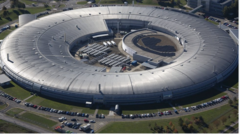
- Diamond Light Source: The UK’s national synchrotron has already been forced to run at just 80% capacity for two years because it couldn't afford its own running costs. It has already lost 10% of its staff, and further cuts will stall critical upgrades.
Selling the House to Buy Milk
The long-term danger here is reputational. The UK wants to market itself as a global science superpower, but it's hard to convince top-tier international talent to move their research to British universities when the local facilities are turning off the lights to save money.
As critics in the scientific community point out, shutting down world-class facilities because you can't afford the electricity bill looks like selling your second home just because the price of milk went up. It sends a terrible message to global partners.
While UKRI has managed to protect basic PhD studentships and fellowships for now, the actual physical infrastructure these young scientists need to do their work is crumbling.
If you are a university administrator, a tech investor, or a working researcher, you need to stop looking at the headline government funding announcements. The big, shiny numbers don't matter. Look at the operational budgets of the specific facilities you rely on, prepare for reduced access times, and start diversifying your funding sources through international or private corporate partnerships immediately. The state isn't going to bail these labs out.