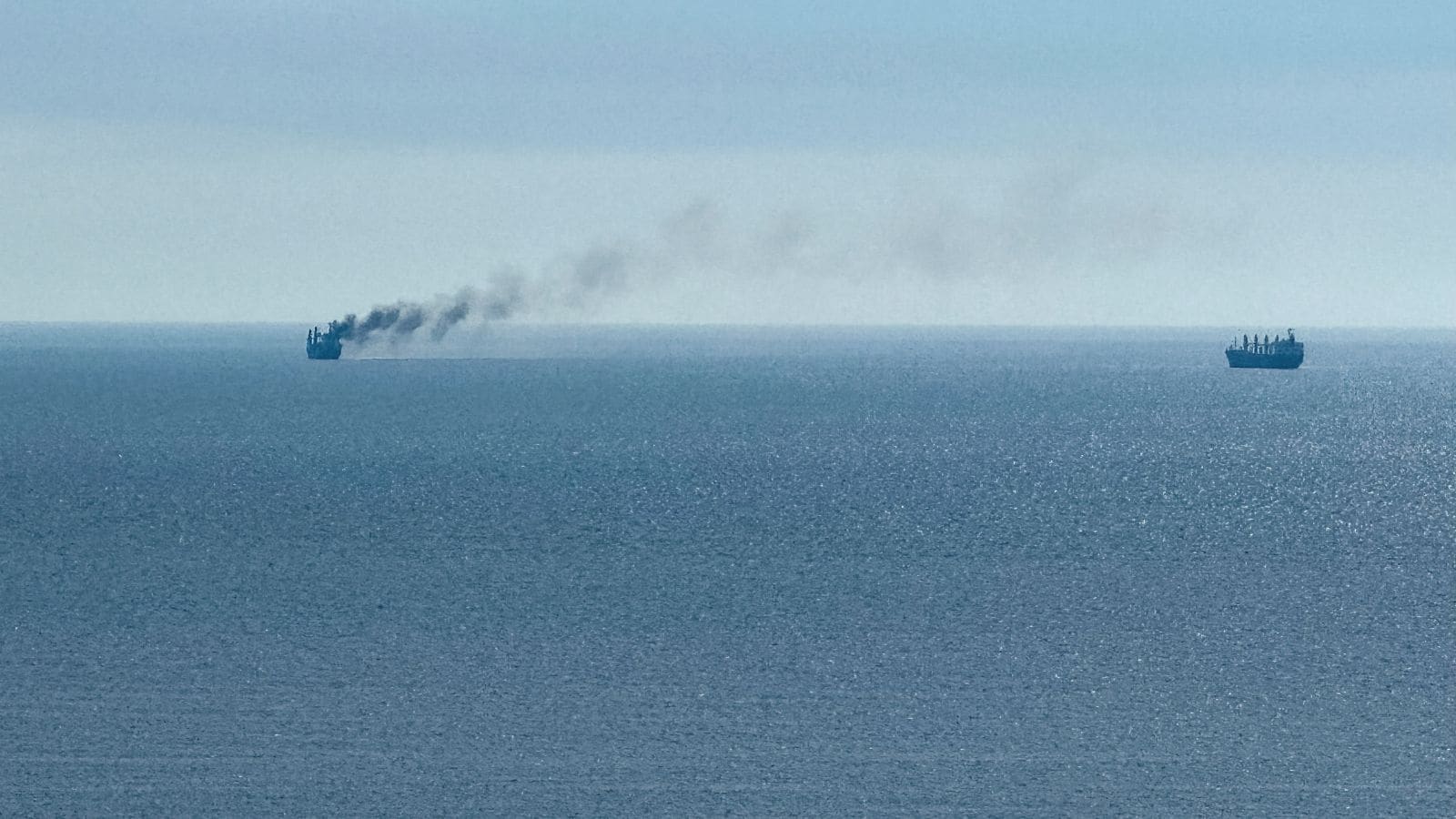
Merchant mariners don't sign up to sail through missile fire. Yet for thousands of civilian seafarers navigating the Black Sea, routine cargo runs have turned into life-or-death gambles.
The brutal reality hit home on July 24, 2026, when India’s Ministry of External Affairs confirmed that an Indian crew member lost his life following an attack on the commercial vessel MV OMORFI in the Black Sea. The incident, which occurred on July 18 while the vessel was transiting reported Russian territorial waters, carried a total crew of ten, including three Indian nationals. While two Indian sailors survived unharmed, the tragedy highlights a rapidly deteriorating environment for merchant shipping in the region.
This wasn't an isolated tragedy. Just twenty-four hours after the MV OMORFI was struck, another attack targeted the Guinea-Bissau-flagged cargo ship MV Golden Leo shortly after it departed Ukraine's Odesa port. That strike claimed the lives of four Indian seafarers and left another critically injured. Within two days, five Indian merchant mariners died in a strategic waterway thousands of miles from home.
New Delhi’s response was swift and stern. Official statements unequivocally condemned the targeting of commercial shipping and emphasized that civilian crew members should never pay the price for geopolitical conflict. But as maritime danger escalates, the global shipping industry faces uncomfortable questions about crew safety, trade route viability, and international law.
Escalating Danger in the Black Sea Maritime Corridor
The attack on the Marshall Islands-flagged bulk carrier MV OMORFI marks a dangerous shift in Black Sea operations. Previous incidents during the conflict primarily affected ships docked at port or transiting specific Ukrainian grain corridors. Now, strikes hit merchant vessels navigating open waters and territorial zones on both sides of the sea.
Naval experts point to several factors driving this surge in risk for merchant vessels:
- Expanding Strike Zones: Conflict boundaries have expanded across broader maritime coordinates, making safe anchorage difficult to guarantee.
- Misidentification and Collateral Damage: Naval drones, sea mines, and anti-ship missiles regularly operate without clear positive identification of civilian hulls.
- Absence of Neutral Escorts: Unlike the Red Sea, where international naval coalitions escort commercial ships, Black Sea traffic lacks unified naval protection.
When merchant ships enter these conflict areas, they carry crews from diverse countries who have zero involvement in regional diplomacy. Indian mariners make up nearly ten percent of the global maritime workforce. Because Indian officers and ratings man thousands of international bulk carriers, tankers, and container ships, any strike on international shipping carries a high probability of Indian casualties.
Human Cost Behind Commercial Shipping Statistics
Behind every diplomatic statement sits a family shattered by loss. India's Ministry of External Affairs noted that the Indian Mission in Russia reached out to local authorities to assist the bereaved family of the MV OMORFI seafarer and arrange the repatriation of remains. Meanwhile, diplomats in Ukraine worked to secure medical care for the survivor of the MV Golden Leo attack.
Living conditions on cargo ships in war zones are tense. Sailors describe sleeping in life vests, running low-visibility night navigation, and monitoring radar screens for unflagged surface drones.
Recent Black Sea Incidents Involving Indian Crew
------------------------------------------------------------------
Ship Name: MV OMORFI
Flag: Marshall Islands
Date of Attack: July 18, 2026
Location: Black Sea (Reported Russian territorial waters)
Indian Casualties: 1 deceased, 2 safe

Ship Name: MV Golden Leo
Flag: Guinea-Bissau
Date of Attack: July 19, 2026
Location: Off Odesa Port, Ukraine
Indian Casualties: 4 deceased, 1 critically injured
------------------------------------------------------------------
Insurance premiums for ships operating in the Black Sea have spiked significantly. War-risk premiums now add hundreds of thousands of dollars to a single transit cost. Shipowners pass these costs down the supply chain, inflating global commodity prices for agricultural goods, fertilizers, and metals. But for the crew on deck, the price isn't financial—it's fatal.
Diplomatic Stance and Freedom of Navigation
India has maintained a delicate diplomatic position regarding global conflicts, consistently advocating for dialogue and peaceful resolution. However, when merchant shipping comes under direct attack, New Delhi draws a clear line.
The Ministry of External Affairs stated that freedom of navigation and international commerce are facing unacceptable threats. Under the United Nations Convention on the Law of the Sea (UNCLOS), commercial vessels operating legally in international or territorial waters possess right of transit and protection from armed assault. Targeting unarmed civilian vessels constitutes a clear breach of international humanitarian law.
India's diplomatic push focuses on three critical demands:
- Strict Adherence to Maritime Obligations: Warring parties must respect neutral commercial traffic and refrain from firing on non-military vessels.
- Protection of Civilian Seafarers: Banning weapon strikes on commercial ports, grain terminals, and shipping corridors.
- Safe Passage Guarantees: Establishing verifiable safe transit protocols backed by international oversight.
Diplomatic pressure alone won't stop a sea mine or a loitering munition. Without enforced maritime corridors or binding commitments from all combatants, civilian sailors remain vulnerable targets.
Actionable Protections for Seafarers and Shipping Companies
If you manage maritime operations or have family members working aboard commercial vessels in high-risk zones, relying solely on diplomatic statements isn't enough. Immediate operational steps must be taken to mitigate risk.
For Maritime Agencies and Shipowners
- Activate High Risk Area (HRA) Protocols: Enforce maximum security measures, including round-the-clock visual lookouts, hardened bridge protection, and strict AIS tracking protocols.
- Provide Right-of-Refusal for Crews: Grant seafarers the explicit right to refuse sailing into designated high-risk zones without facing contractual penalties or blacklisting.
- Enhance Life-Saving Gear: Equip all personnel with personal locator beacons (PLBs), modern emergency survival suits, and specialized trauma kits.
For Seafarers and Families
- Verify Ship Flag and Routing Before Boarding: Research the vessel's planned transit routes and confirm if the voyage enters active Black Sea conflict zones.
- Keep Emergency Contacts Updated: Ensure your union representatives and the Directorate General of Shipping (DGS) have current contact details for next-of-kin.
- Report Safety Violations Directly: If a vessel lacks proper war-risk insurance or safety gear, report the condition to the International Transport Workers' Federation (ITWF) immediately.
Protecting civilian life at sea requires active enforcement, accountable shipping companies, and strict international compliance. Words of condemnation matter, but practical security measures keep sailors alive.


