If you bought bagged salad greens or fresh raspberries recently, you might want to pay close attention to what is happening south of the border. While a massive parasitic infection sweeps through American kitchens, health officials are playing a quiet game of wait-and-see. Despite thousands of active cases, the Canadian Food Inspection Agency (CFIA) confirmed they are not halting shipments. This means the ongoing Canada produce imports cyclosporiasis outbreak connection is a real-time risk sitting directly on your dinner plate.
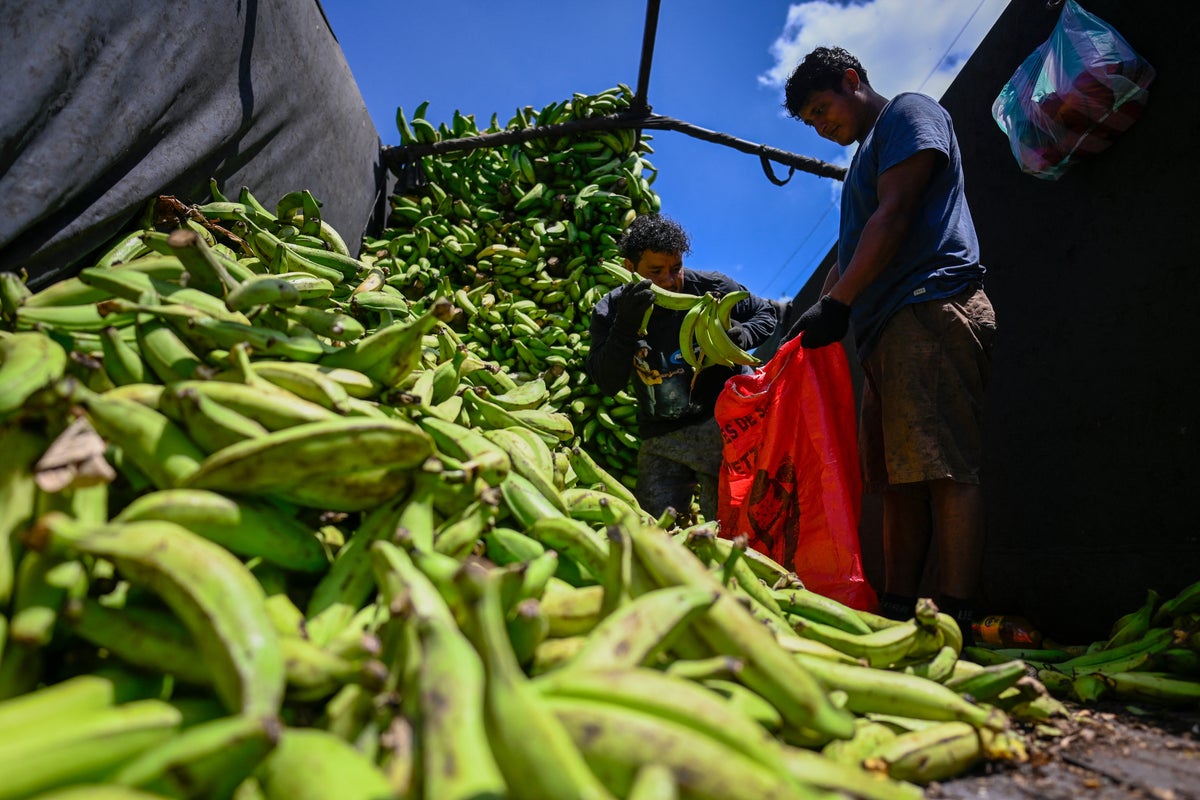
Our grocery stores are deeply tied to the American agricultural supply chain. When something goes wrong in fields in Michigan, California, or Arizona, it does not take long for that trouble to travel north. Yet, the official word from Ottawa is that everything is under control.
Let's look past the sterile press releases. We need to examine what this parasite actually is, why our safety watchdogs are keeping the borders open, and how you can protect your kitchen without waiting for a government recall that might come too late.
Understanding the Canada Produce Imports Cyclosporiasis Outbreak Risk
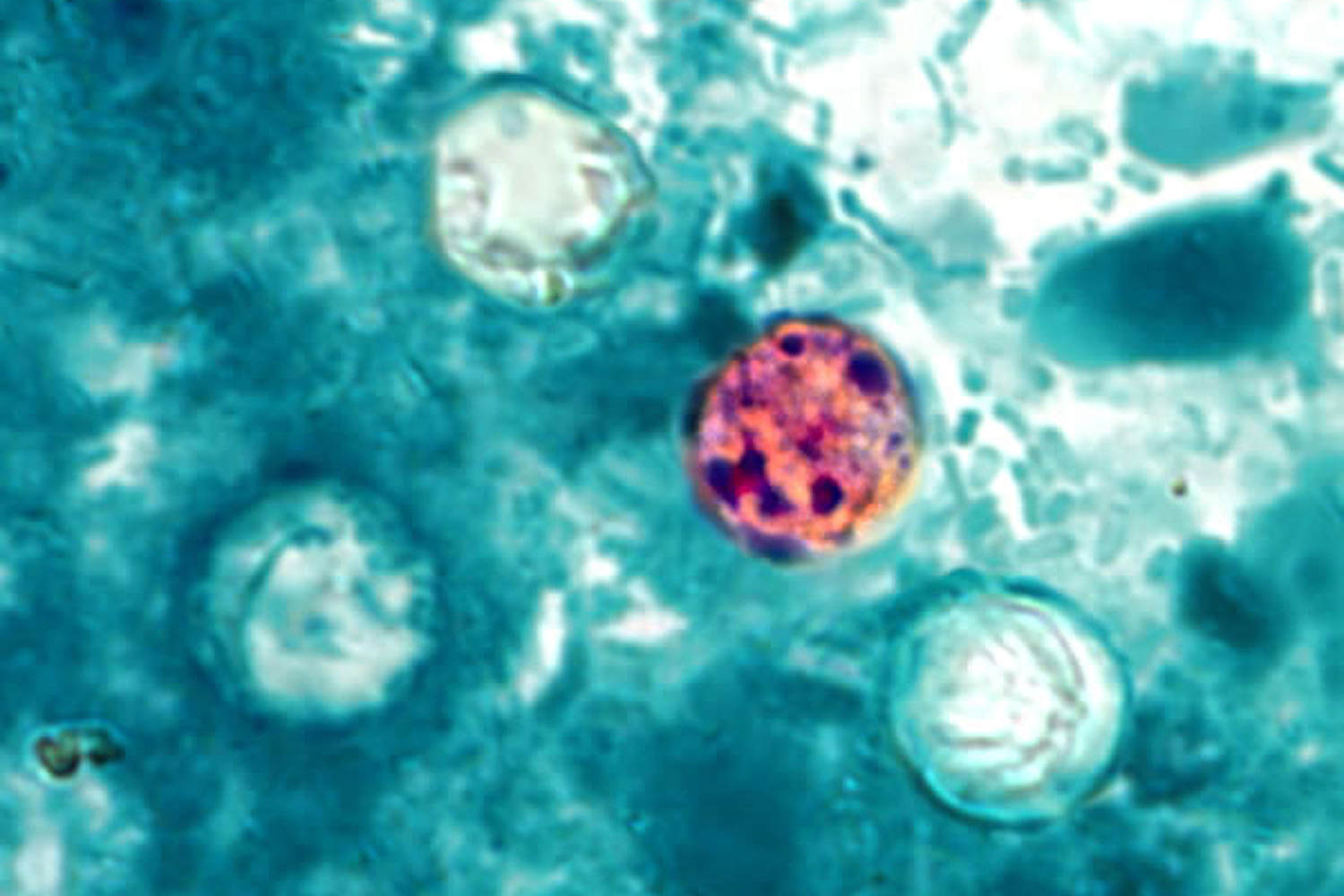
The parasite at the center of this mess is Cyclospora cayetanensis. It is a microscopic, single-celled organism that thrives in human feces.
When contaminated water is sprayed on crops, or when field workers lack proper sanitation facilities, this parasite hitches a ride on your food. Once you swallow it, the parasite nests in your small intestine and begins to multiply.
The illness it causes, cyclosporiasis, is not your average twenty-four-hour stomach bug. It is notorious for causing explosive, watery diarrhea that can drag on for six to seven weeks. You might think you are finally over it, only for the cramps, bloating, and fatigue to roar back a week later.
Historically, we see a spike in these cases during the spring and summer. That is exactly when Canada relies heavily on imported fresh herbs, berries, and leafy greens.
The Troubling Numbers South of the Border
The scale of the current American outbreak is alarming. Data from the US Centers for Disease Control and Prevention (CDC) reveals a rapid spread. Since May, nearly 7,000 people across dozens of states have fallen ill with suspected or confirmed cyclosporiasis.
- Confirmed Cases: More than 1,600 cases are lab-certified.
- Under Investigation: Upwards of 5,100 suspected cases are being tracked.
- The Hotspot: Michigan is bearing the brunt of the hit, reporting over 3,000 infections.
Local health officials in Michigan strongly suspect bagged salad mixes or leafy greens. The challenge is that the US FDA and CDC have not yet pinned down the exact farm, supplier, or distributor responsible.
Because the source remains unidentified, the entire pool of incoming American salad greens carries a question mark.
Why the CFIA is Keeping the Border Wide Open
You might wonder why the CFIA is not putting a temporary ban on these imports until the US finds the source.
The agency points to its routine surveillance program. They test imported whole and pre-cut leafy vegetables, fresh herbs like cilantro and basil, and berries year-round. According to their spokespeople, they will only implement targeted import controls if they see direct evidence of contaminated shipments heading our way.
The Public Health Agency of Canada (PHAC) also noted they are not currently investigating any domestic outbreaks of cyclospora.
This hands-off stance is standard regulatory behavior. It is also incredibly reactive.
By the time a parasitic outbreak is detected through stool samples and public health tracebacks, weeks have usually passed. The contaminated lettuce has already been bought, eaten, and digested. You cannot easily wash this parasite off, which makes a wait-and-see strategy highly risky for consumers.
A Lessons from Food Safety History
This is not the first time Canadian and American food regulators have split on how to handle cyclospora risks. We have seen this play out before with painful consequences.
In the mid-1990s, a series of severe cyclosporiasis outbreaks swept across North America, eventually traced back to fresh raspberries imported from Guatemala.
The US FDA took a hardline stance. After consecutive years of outbreaks, they banned Guatemalan raspberry imports.
Canada took a different path. Our regulators deemed the risk acceptable and kept importing the berries.
The result was entirely predictable. While US cases plummeted, Canadian consumers suffered through a third consecutive year of outbreaks.
Our shared supply chain means we often import the exact same products from the exact same global distributors. When the US is experiencing a massive spike, assuming the parasite will respect the border is wishful thinking.
Why Washing Your Lettuce Won't Save You
One of the biggest misconceptions about food safety is that a good rinse under the kitchen tap makes produce safe. With bacteria like E. coli, washing can help reduce surface contamination.
With cyclospora, washing is rarely enough.
The parasite travels in a highly resilient protective shell called an oocyst. This shell is naturally sticky and clings tightly to the uneven, crinkly surfaces of cilantro, basil, and leafy greens.
Ordinary water does not easily strip these oocysts away. Chemical produce washes do not reliably kill them either.
If a piece of lettuce has been irrigated with water containing the parasite, the microscopic bugs are wedged into the nooks and crannies of the leaves. Rinsing might make you feel better, but it provides a false sense of security.
How to Protect Your Kitchen Right Now
Since federal regulators are not going to stop the shipments, the responsibility falls squarely on you. You do not need to stop eating fresh produce entirely, but you should adjust how you shop and prep food while this outbreak is active.
Ditch the Pre-Packaged Salad Bags
Pre-washed, bagged salad mixes are convenient, but they are a massive risk during a cyclospora outbreak.
When salad plants chop, wash, and bag greens from multiple farms together, a single contaminated batch can ruin thousands of packages. The moist environment inside the bag is a perfect holding zone for the parasite.
Buy whole heads of lettuce instead. Peel off and discard the outer two or three layers of leaves. The inner leaves are far less likely to have come into contact with contaminated water or soil during harvesting.
Cook Your Imported Herbs and Berries
If you love fresh blackberries, raspberries, cilantro, or basil, consider cooking them.
Heat is the ultimate weapon against cyclospora. Raising the temperature of your food to 70 degrees Celsius (158 degrees Fahrenheit) or higher kills the parasite instantly.
- Bake raw raspberries into crumbles, pies, or simmer them into a compote.
- Stir your cilantro and basil into hot sauces, curries, or soups at the end of cooking rather than using them raw as a cold garnish.
Eat Local and Seasonal Produce
The parasite is not native to Canada's colder climate, and it is not found in Canadian drinking water.
This means local, Canadian-grown greenhouse greens and summer field crops are exceptionally safe.
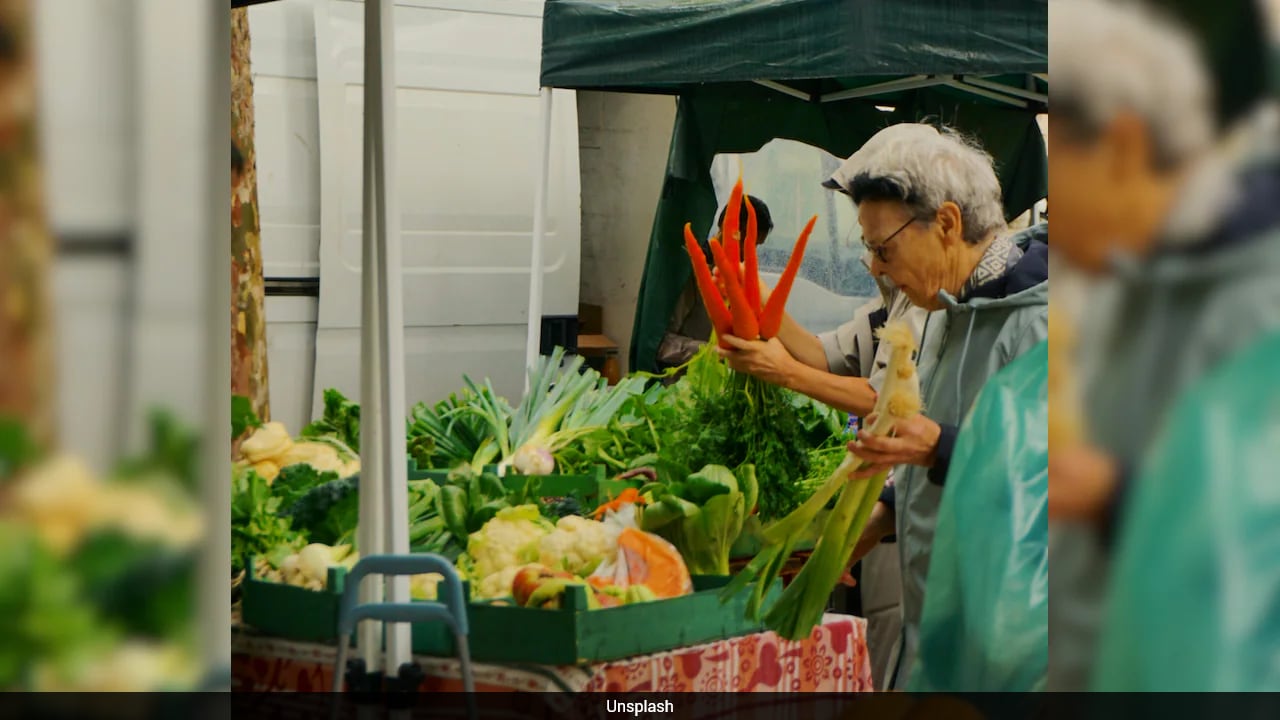
Make a conscious effort to buy domestic produce at your local farmer's market or check the country-of-origin labels at the grocery store. Choosing Canadian-grown foods is the easiest way to opt-out of the import roulette.
What to Do If You Get Sick
If you develop sudden, explosive, watery diarrhea accompanied by severe bloating, fatigue, and weight loss, do not wait it out.
Standard over-the-counter anti-diarrheal medications will not cure a parasitic infection.
Go to your doctor and ask specifically for a stool test that checks for parasites. If you test positive for cyclospora, a specific prescription antibiotic treatment is required to clear the infection. Most patients see a major improvement within a couple of days of starting the right medication.