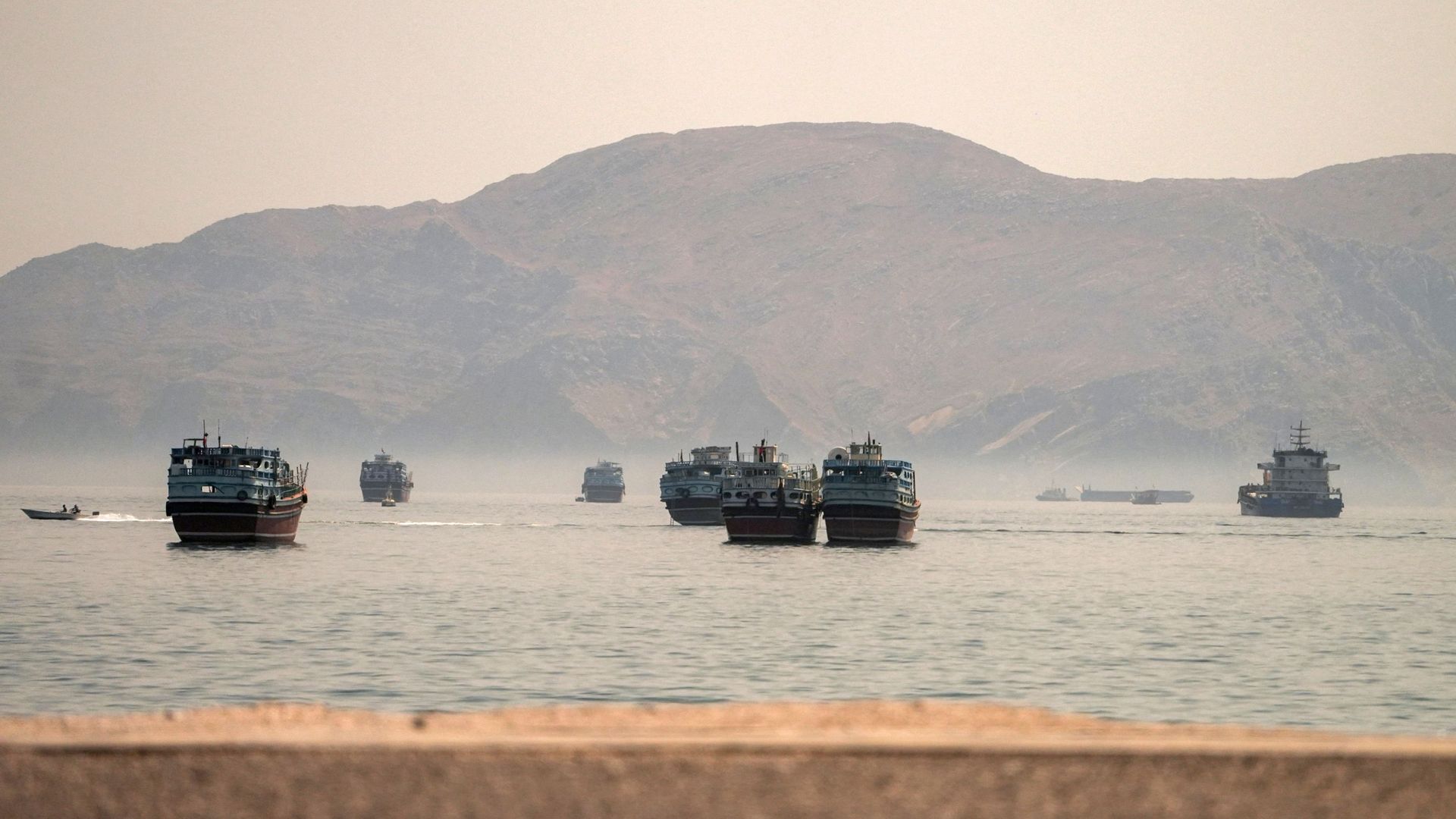
The shipping industry thought it had a window of escape. After months of being trapped by the brutal geopolitical proxy war between the US and Iran, around 11,000 mariners and 600 cargo ships finally saw a way out. A UN-backed evacuation corridor, mapped closely along the coast of Oman, opened up on Tuesday evening.
By Thursday, that corridor was in ruins.
An attack on the Singapore-flagged container ship Ever Lovely shattered the delicate, preliminary ceasefire agreement orchestrated by the UN's International Maritime Organization (IMO). Hit by an unknown projectile—widely suspected by regional security intelligence to be an Iranian drone—the vessel suffered bridge damage off the coast of Oman. While nobody died, the geopolitical fallout was instant. IMO Secretary-General Arsenio Dominguez immediately pulled the plug on the rescue operations, pausing the entire evacuation list until safety guarantees can be verified.
If you think this is just another isolated skirmish in the Middle East, you're missing the bigger picture. This disruption directly impacts global supply chains, energy stability, and the physical safety of thousands of seafarers currently used as political leverage.
The Collision of Two Routes
What caused this sudden breakdown? The conflict centers around who controls the geographical routing of the Strait of Hormuz.
To understand why the evacuation failed, you have to look at how traffic moved through the channel right before the attack. The IMO designed a safe escape path hugging the southern edge of the strait, keeping commercial vessels safely within Omani territorial waters. But Iran's Revolutionary Guards had completely different ideas. They demanded all transit route through their preferred northern lanes, right past Larak Island, where their missile batteries have a direct line of sight.
Hours before the Ever Lovely was struck, Iran's Persian Gulf Strait Authority issued a blunt public warning. They stated that any ship operating outside their self-declared framework would not be covered by safe passage guarantees. They followed through on that threat.
Maritime intelligence reports from agencies like Ambrey and Windward confirmed that the Revolutionary Guards actively coerced commercial vessels into shifting paths. At least four major tankers—the Blue Star I, SG Pegasus, Azumasan, and Omega Trader—were forced to abort their plans. They made sudden U-turns away from the UN-backed southern corridor. In one terrifying radio exchange, an unnamed Panama-flagged tanker heading toward Pakistan was told directly by Iranian forces that it was sitting well within target range of active missile batteries and must divert north immediately.
Why the Interim Deal is Crumbling
The timing of this attack couldn't be worse for global markets. The US and Iran signed a memorandum of understanding earlier this month, establishing a temporary 60-day ceasefire. The deal stipulated that Iran would gradually reopen the strait while naval forces cleared underwater mines dropped during the height of the conflict back in late February.
US President Donald Trump had already threatened severe military action, stating earlier this month that the US would resume direct bombing campaigns if Tehran failed to honor the shipping agreements. With US Secretary of State Marco Rubio touring the Gulf region this week to reassure allies of American commitment to the Omani route, the strike on the Ever Lovely looks less like an accident and more like a calculated geopolitical veto by Iran.
Strait of Hormuz Daily Vessel Transits (June 2026)
Pre-War Average:  130+ ships
Conflict Low:      33 ships
Wednesday Peak:   78 ships (70 confirmed crossings via Kpler)
Post-Attack:      Suspended / Critical Caution
While Wednesday saw a brief surge to 78 daily transits according to S&P Global and Kpler analytics—showing the immense desperation of shipping companies trying to clear their fleets—traffic remains drastically hobbled.
The Reality for Commercial Shipping Operations
If you operate vessels or manage supply chains, you need to understand that the rules of transit in the region have completely changed. Relying on international institutional protection like the UN is no longer a viable risk management strategy on its own. Oman's insistence on its strict neutrality means little when its waters are actively violated by drone strikes targeting commercial hulls.
The immediate priority for global logistics managers must pivot from extraction to structural mitigation. Do not expect the IMO corridor to resume normal operations within days. The structural rift between the Omani-backed southern route and the Iranian-controlled northern route won't easily resolve without major diplomatic or military shifts.
Immediate Action Steps for Maritime Operators
- Freeze Scheduled Transits: Halt all planned entries into the Gulf of Oman and the Persian Gulf for non-essential cargo until the IMO explicitly completes its security re-verification.
- Reroute via Southern African Corridors: If carrying high-value or time-sensitive freight, immediately transition voyage routes around the Cape of Good Hope. It adds 10 to 14 days to transit times, but eliminates the risk of hull seizure or hull destruction.
- Enforce Strict Guard Protocols: For vessels currently trapped inside the Persian Gulf, maintain anchorages closer to western ports under active coalition radar umbrellas. Do not attempt independent break-outs along the Omani coast.
- Audit War Risk Insurance: Review current maritime insurance policies immediately. Many underwriters are rewriting terms regarding exclusions in the Gulf of Oman following Thursday's drone strike. Ensure your operational liabilities are covered under updated conflict clauses.
The reality on the water is clear. The Strait of Hormuz is stuck in a dangerous deadlock, and commercial shipping is caught right in the crosshairs.