You take your kids to a public park expecting green grass, safe playground equipment, and a few hours of peace. What you don't expect is that a heavy stone installation meant to honor history could end up a fatal hazard.
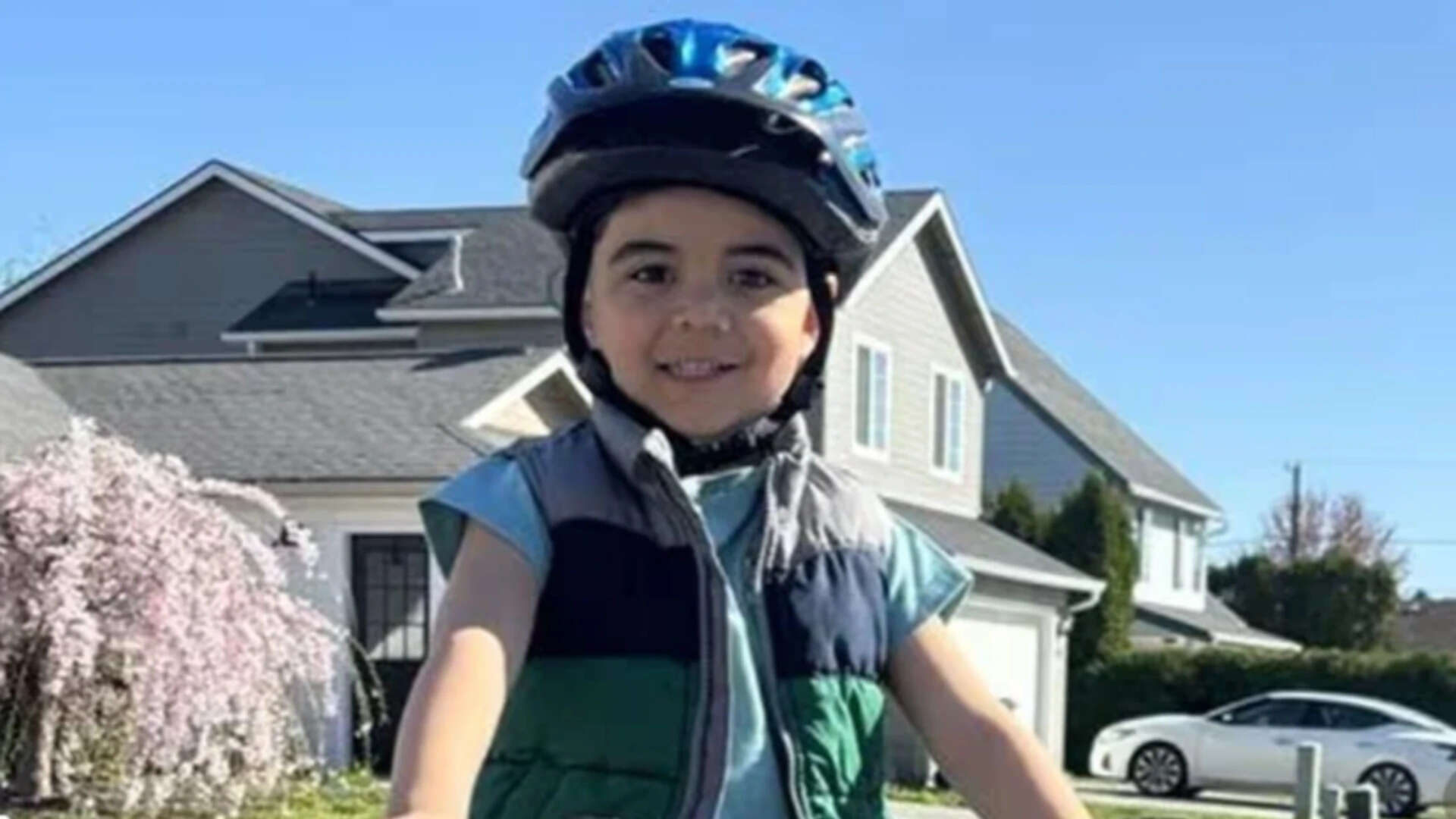
That's the nightmare a Washington state family is living through right now. The tragic death of three-year-old Kaleb Ortega has exposed a massive blind spot in how public park structures are designed, secured, and maintained. It's an agonizing reminder that some of the greatest risks to our kids aren't the ones we actively look out for.
The incident happened at Rooks Park in Walla Walla, Washington. The headline making the rounds globally might mistakenly place this in New York due to early syndicated news confusion, but the real story unfolded in the Pacific Northwest. Kaleb was at the park with his father, Miguel Ortega, and his five-year-old sister, Kamila. It was a normal, happy day. Then, in a matter of seconds, a massive stone monument commemorating U.S. Naval Captain Albert H. Rooks and the USS Houston CA-30 toppled over.
It crushed Kaleb. His father and young sister watched it happen right in front of them.
First responders rushed the toddler to the local hospital. That's where an already unbearable situation became even more devastating. Kaleb's mother, Claudia Garcia, was on duty working as a nurse at that very hospital. She was standing right there as the ambulance pulled in, forced to witness the frantic emergency resuscitation efforts to save her own little boy. Kaleb didn't make it.
Now, his parents are fighting back with a major product liability and wrongful death lawsuit filed in Walla Walla County Superior Court. The legal filing targets a long list of companies involved in the design, construction, and installation of the display, including Boulder Designs, Boulder Designs Franchising LLC, and Double T Construction Ltd.
The lawsuit alleges that the monument—originally installed in 2019 as part of an Eagle Scout project—was excessively top-heavy, completely unstable, and lacked the proper support systems required for a public space where children are guaranteed to play and climb.
The Problem With Tip-Over Hazards in Public Spaces
When we think of tip-over accidents, we usually think of heavy dressers or flat-screen televisions inside the home. Anchor your furniture. We hear that advice constantly. But the exact same mechanical vulnerabilities apply to outdoor structures, and the scale of the danger is magnified by hundreds of pounds.
A heavy stone sign or decorative boulder looks permanent. It feels solid. Because it's made of stone or concrete, our brains naturally assume it's anchored deep into the bedrock. Often, it's not.
If a structural display relies primarily on its own weight for stability rather than a deep, engineered foundation or heavy-duty steel dowels, it becomes a ticking time bomb. It only takes a slight shift in the ground soil, a bit of erosion from rain, or a small amount of external pressure—like a toddler pulling themselves up—to change the center of gravity. Once that tipping point is crossed, a multi-hundred-pound object falls fast. No one has time to react.
The U.S. Army Corps of Engineers, which operates Rooks Park, temporarily shut down the facility for two weeks following the accident to fence off the area. The monument has since been entirely removed. But the fact that it took a child's death to prompt this action points to a systemic failure in proactive safety inspections.
The Unseen Toll on Eyewitnesses and First Responders
The legal complaint filed by the Ortega family doesn't just seek damages for wrongful death. It specifically highlights bystander emotional distress.
We can't overlook the psychological devastation inflicted on the survivors of these specific types of sudden trauma. For a five-year-old sister to watch her younger brother get crushed is a catastrophic mental wound. For a mother to see her child wheeled into her own workplace under absolute emergency conditions is a level of cruelty no parent should ever face.
In the medical field, we talk about secondary trauma and the intense stress placed on healthcare workers. But treating your own family member is the ultimate nightmare scenario in medicine. It shatters the necessary clinical boundary that allows doctors and nurses to function under extreme pressure.
What Needs to Change Immediately
This can't just be viewed as a freak accident. If we label these events as unpreventable anomalies, we ensure they will happen again somewhere else. Public parks are supposed to be built to the highest possible safety margins because children do not look at a monument and see a historical artifact—they see something to climb.
If you are a parent, a local advocate, or someone involved in municipal planning, here are the real-world takeaways and actionable steps that need to happen to prevent another tragedy like Kaleb's.
Push for Local Audits of Park Monuments
Every municipality and federal agency managing public land needs to audit existing signage and historical markers. If a monument was installed via a volunteer effort, a scout project, or a private donation, it must still pass rigorous municipal engineering reviews. Look closely at the historical markers in your own town square or neighborhood park. Are they anchored to concrete pads with visible steel hardware, or are they just heavy objects resting on dirt? If it's the latter, raise hell with your local parks department.
Never Assume Stability Based on Material
Teach your kids that just because something is made of stone or metal doesn't mean it can't move. Children naturally want to scale statues, balance on stone walls, and pull themselves up onto informational plaques. Until cities implement strict, verifiable anchoring standards for every non-playground structure, treat decorative park elements with the same caution you'd treat an unanchored bookshelf in a bedroom.
Support the Victims Proactively
The Ortega family has a GoFundMe campaign running to help manage the sudden financial strain of funeral costs and the inevitable medical and legal battles ahead. Beyond the courtroom, the community's role is to keep the pressure on the entities responsible for public safety.
The defendants named in the lawsuit have a standard window to file their formal responses to the court. While the legal process plays out in Washington state, the broader conversation about public structural safety needs to happen nationwide. Kaleb Ortega was a joyful little boy who loved monster trucks and playing with his big sister. He should have been safe at his local park.