You can't just cross out a piece of the Fourteenth Amendment because you don't like who it applies to.
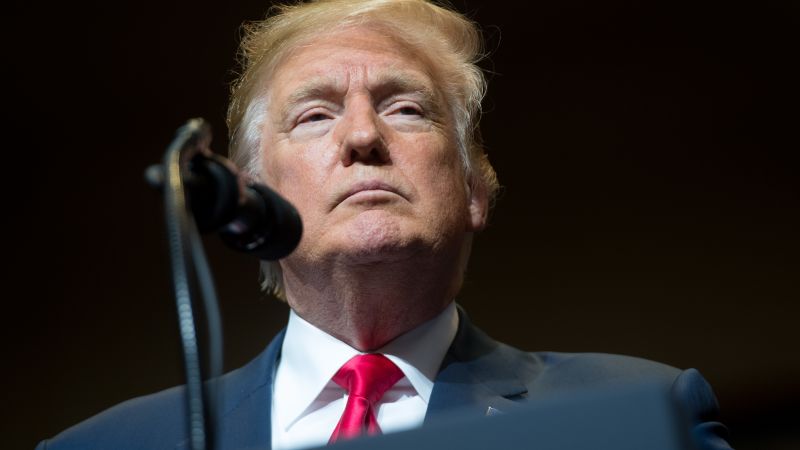
That's the harsh legal reality hitting the White House right now. Following a massive 6-3 defeat at the Supreme Court in Trump v. Barbara, Donald Trump is already demanding a do-over. He wants the high court to reconsider its choice to strike down Executive Order 14,160, his day-one attempt to block birthright citizenship for kids born to undocumented immigrants or temporary visa holders.
But here's what most news stories are missing. This isn't just another legal appeal. It's a fundamental misunderstanding of how constitutional law works. The court didn't just throw out a policy; they locked a door. Trump is trying to kick it down anyway, but the legal architecture of the United States is working exactly as intended to stop him.
The Birthright Citizenship Ruling is Sealed in Steel
Let's look at why Trump's new push to get the Supreme Court to change its mind is almost certainly going to fail.
When Chief Justice John Roberts wrote the majority opinion on June 30, 2026, he didn't give the administration a loophole. He explicitly stated that children born in the U.S. to parents unlawfully or temporarily present are "subject to the jurisdiction" of the country. That phrase is the core of the Fourteenth Amendment's Citizenship Clause.
It wasn't just a win for immigration advocates like the ACLU, which fought the case with legal director Cecillia Wang. It was an absolute validation of a 157-year-old consensus. Five of those six justices—Roberts, Sotomayor, Kagan, Barrett, and Jackson—grounded their decision directly in the text of the Constitution itself.
Think about that for a second. Trump appointed Amy Coney Barrett. Yet she joined the liberal justices and the Chief Justice to say that a president cannot change who is an American by executive decree.
The sixth vote came from Brett Kavanaugh. He took a slightly different path, pointing out that Trump's order also directly violated federal law—specifically Title 8, Chapter 12, Section 1401(a) of the Immigration and Nationality Act. So, Trump isn't just fighting a constitutional interpretation; he's fighting explicit statutory laws passed by Congress.
What the Conservative Dissenters Actually Wanted
To understand why Trump is asking for a reconsideration, you have to look at the massive 194-page decision and the breadcrumbs left by the dissenting justices.
Justice Clarence Thomas wrote a scorching 91-page dissent. He argued that the Fourteenth Amendment was never meant to protect the children of foreign tourists or undocumented workers. He wanted a strict historical reading that required "domicile" and explicit "allegiance" to the country. Justices Samuel Alito and Neil Gorsuch backed him up, with Alito specifically complaining about the "birth tourism" industry.
Trump took these dissents as an invitation. On Truth Social, he immediately signaled his plans to push back. But legal experts know that a petition for rehearing is rarely granted by the Supreme Court. It takes an extraordinary shift or a massive error for the court to reopen a case it decided just days ago.
And don't look to Congress for a rescue plan either. Even though conservative lawmakers like House Speaker Mike Johnson and Senator Mike Lee support Trump's immigration goals, they know the legislative route is dead on arrival. If five Supreme Court justices say the Constitution itself guarantees birthright citizenship, passing a new law to strip it away would be struck down in minutes.
The Pivot No One is Watching
Since Trump can't bend the Constitution, his administration is quietly shifting its focus to an area where they actually have power: targeting the commercial infrastructure around immigration.
While the court protected the baby, it didn't protect the businesses selling American citizenship as a luxury package. The State Department back in 2020 already noted that the birth tourism trade was rife with fraud and international money laundering.
Instead of fighting losing battles in the Supreme Court, the real battlefield is moving to executive enforcement. The Justice Department is already directing federal prosecutors to hammer the birth tourism industry using existing laws.
- Visa fraud investigations targeting agencies in foreign countries.
- Wire fraud and international money laundering crackdowns.
- Stricter rules for consular officers checking tourist visa applications.
This approach doesn't require rewriting the Fourteenth Amendment. It just requires enforcing the laws that are already on the books.
Your Next Steps for Following This Legal Fight
If you want to understand where this policy battle goes next, stop watching the Supreme Court docket and start watching the borders and federal court cases. Here is what you should track right now:
- Watch the Rehearing Petition: Expect the administration to file its formal request to the Supreme Court soon. It will likely get rejected quickly, which will signal the definitive end of the executive order strategy.
- Monitor Department of Justice Action: Look out for new indictments from the Department of Homeland Security's Birth Tourism Initiative. The crackdown on international networks selling birth packages to wealthy foreign nationals will ramp up.
- Check Consular Guidance Changes: Watch for updates to the State Department's Foreign Affairs Manual. While officers are currently restricted from asking vague questions about pregnancy, the administration will likely try to loosen those restrictions to choke off birth tourism at the source.
The high court has spoken, and the lines are drawn. Trump can rail against the ruling all he wants, but the constitutional ceiling is too low for an executive order to clear. The administration's only real path forward is to stop fighting the Constitution and start enforcing the immigration statutes they already control.