The ground shook twice in less than a minute. On Wednesday evening, June 24, 2026, two massive earthquakes hammered the northern coast of Venezuela. A 7.2-magnitude shock hit near Morón, followed 39 seconds later by a catastrophic 7.5 mainshock. Buildings crumbled in Caracas. Entire neighborhoods in La Guaira shifted into precariously tilting ruins. Over 188 people are confirmed dead, thousands are missing, and roughly 1,500 are injured.
But if you look closely at the chaos following this rare seismic event, the tragedy stretches far beyond the physical borders of South America.
When a natural disaster hitting an already fragile country causes the immediate shutdown of its primary international gateway, Simon Bolívar International Airport in Maiquetía, the crisis goes global instantly. For the massive Venezuelan diaspora, the real nightmare isn't just watching their homeland fracture on a screen. It's the total isolation. It's the agonizing silence when phone lines die. It's knowing that your father or your mother was supposed to board a flight home tomorrow, but now they're stuck in a disaster zone with nowhere to go and no way out.
Anatomy of a Double Disaster
Geologists call what happened along the northern coast a seismic doublet. This isn't your standard earthquake followed by minor aftershocks. It's two distinct, massive ruptures happening almost simultaneously along the complex boundary where the Caribbean and South American tectonic plates grind past each other.
The San Sebastian fault line literally tore open twice. The first shallow strike-slip quake hit at a depth of 22 kilometers. The second, a shallower and more violent 10-kilometer-deep monster, turned parts of the coastal region into what acting President Delcy Rodríguez has called a formal disaster zone.
When earthquakes hit a major Western city, modern building codes usually prevent total annihilation. In Venezuela, years of economic strain mean the infrastructure was already hanging by a thread. The back-to-back shocks didn't just rattle windows. They sent entire concrete apartment blocks pancaking down.
Dust plumes choked the streets of Caracas. Power grids failed instantly across multiple states. Cell towers went dark, cutting off communication for millions of citizens right when they needed to call for help.
The Human Cost of Grounded Flights
Natural disasters crush structures, but they also shatter family timelines. The closure of Maiquetía Airport didn't just disrupt vacationers. It trapped people in an active emergency area and separated families who were hours away from reunification.
Take the diaspora community in Canada. Thousands of miles away in cities like Toronto and Edmonton, Venezuelan-Canadians spent Wednesday night glued to social media feeds, exchanging desperate emails, and hitting redial on phones that wouldn't connect.
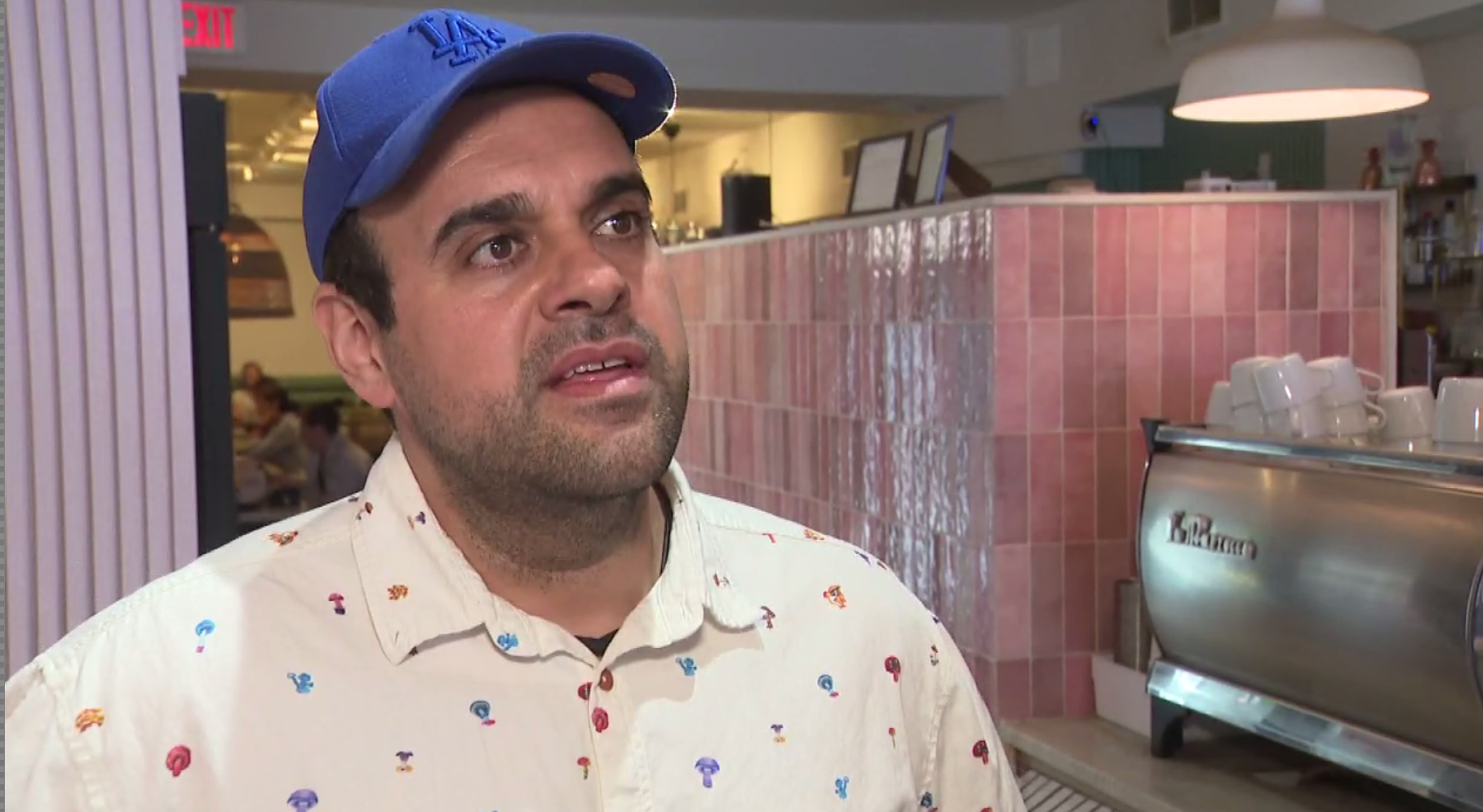
In Toronto, small businesses owned by immigrants became makeshift crisis hubs. Customers walked into a local Venezuelan café not to buy coffee, but to check if the owner's family in Caracas survived. One employee's mother had landed in the capital just 24 hours before the quakes. She survived. But her father was scheduled to fly out the very next morning. With all commercial air traffic suspended and the airport ceiling partially collapsed, he remains stuck in the chaos. There are no alternative routes.
This isn't an isolated story. It's the reality for a diaspora that has swelled to over 7.7 million people globally due to the country's long-running political and economic turmoil. When you have that many people living outside their native country, a localized earthquake quickly transforms into an international family separation crisis.
The Information Blackout
When cell service drops during a major disaster, speculation fills the void. In this case, the lack of reliable government updates has made a terrible situation significantly worse.
People on the ground have resorted to using whatever spotty social media access they can find to post handwritten missing-persons flyers. They show pictures of loved ones who were last seen in neighborhoods where buildings are now flat piles of rubble.
Outside a hospital in the hard-hit coastal town of La Guaira, doctors have been forced to treat injured citizens right on the pavement. Hospital beds line the streets because the medical facilities themselves are either structurally unsafe or overflowing.
If you are trying to find someone from abroad, you are essentially flying blind. You can't rely on official death tolls or injury registries because the local agencies are completely overwhelmed. You rely on a text message that manages to slip through at 3:00 AM from a neighbor two streets over.
Geopolitics and the Aid Bottleneck
Delivering aid to a disaster zone requires more than just goodwill. It requires functioning diplomatic channels. That's a massive hurdle here.
Canada, along with several other nations, hasn't maintained a formal diplomatic presence inside Venezuela since closing its Caracas embassy years ago amid severe political disputes. While Prime Minister Mark Carney and Foreign Affairs Minister Anita Anand quickly pledged humanitarian assistance and initial funding packages, getting those resources to the people who need them isn't easy.
You can't just land a cargo plane full of medical supplies when the primary airport is closed and the political relationship between the donor nation and the local government is icy at best. International relief organizations are forced to navigate a minefield of logistical bottlenecks. They have to work through local partners and regional networks, which slows down the arrival of emergency housing, food, and clean water.
The first 48 hours of any earthquake response are strictly about search and rescue. Pulling people out of concrete voids requires heavy equipment and specialized teams. Once that window closes, the threat shifts to disease, lack of clean water, and exposure. With schools closed indefinitely, infrastructure wrecked, and international aid delayed by politics and broken runways, the death toll will likely climb far higher than the initial official reports suggest.
What You Can Do Right Now
If you have family in the region or simply want to support the relief efforts without your money getting swallowed by bureaucratic black holes, you need an active strategy.
Verify Safety Through Alternative Networks
Don't panic if your direct phone calls aren't going through. The cell networks are physically damaged and congested.
- Try data-based messaging apps like WhatsApp or Signal instead of traditional cellular calls, as text packets sometimes squeeze through low-bandwidth connections when voice lines fail.
- Check regional community pages on social media platforms where neighbors are actively listing the names of survivors in specific apartment complexes.
- Reach out to family members who live in outlying states that didn't experience the brunt of the seismic activity. They may have managed to establish contact with your relatives in Caracas or La Guaira before the local grid died completely.
Donate to Verified Field Operations
Avoid newly created, unverified fundraising pages that pop up overnight on social media. Stick to established international organizations that already have active personnel on the ground in South America. Groups like the Red Cross and dedicated global response teams have existing warehouses of hygiene kits, solar lights, and medical supplies ready for distribution. They don't need to wait for diplomatic standoffs to resolve because their networks are already operational inside the country.
The road to rebuilding will take years. The immediate focus must remain on the families split apart by collapsed buildings and cancelled flights, waiting in the dark for any sign of life from the other side of the world.