If you've been watching the headlines out of Washington and Islamabad this week, you might think the Middle East is on the verge of a historic deep breath. The United States and Iran have signed a memorandum of understanding. A 60-day extension of their ceasefire is technically in place. Diplomats from Qatar and Pakistan are setting up "de-confliction cells," and billions of dollars in frozen Iranian assets are dangling as a carrot for peace.
Yet, if you step outside in southern Lebanese towns like Mansouri or Srifa, the soundscape isn't filled with diplomatic pleasantries. It's filled with the roar of Israeli F-15s and the crunch of precision-guided munitions. Just hours after regional officials whispered to the press that a truce was locked in, Israel dropped leaflets ordering immediate evacuations in southern Lebanon and struck dozens of targets.
This disconnect trips up most casual observers. Why is Israel ramping up its air campaign and enforcing a six-mile deep "security buffer zone" inside Lebanon while its closest ally, the United States, tries to lock down a comprehensive peace deal with Hezbollah’s primary backer?
The answer is simple, brutal, and entirely logical if you look at the strategy from Jerusalem rather than Washington.
The Fatal Flaw of the Table in Switzerland
The most critical thing to understand about the ongoing US-Iran negotiations is who is actually sitting at the table.
The United States, Iran, Pakistan, and Qatar are drawing up the paperwork. Notably missing from the signatures? Israel and Hezbollah.
While Iranian Parliament Speaker Mohammad Bagher Ghalibaf insists that a complete Israeli withdrawal from Lebanese territory is a central condition for any final agreement, Israeli Prime Minister Benjamin Netanyahu has made it clear that he doesn't consider American signatures binding on Israeli national security. Netanyahu’s position isn't just political posturing; it's a structural reality of how Israel views this war.
For Israel, the conflict in Lebanon isn't an item to be traded away in exchange for the unfreezing of Iranian oil money or maritime transit guarantees in the Strait of Hormuz. The Israeli security establishment views the presence of Hezbollah on its northern border as an existential threat that must be physically dismantled, not diplomatically managed.
Jerusalem looks at the diplomatic chess board and sees a trap. If Israel stops fighting now because Washington and Tehran signed a digital memorandum, it leaves Hezbollah’s infrastructure partially intact along the border. Honestly, from the Israeli perspective, a premature ceasefire is just a countdown clock until the next war.
Creating Realities on the Ground Before the Ink Dries
There's a classic military maxim: what you don't hold on the ground, you don't own at the negotiating table. Israel is applying this with hyper-aggressive focus right now.
By continuing to bomb weapon depots in central Lebanon and deploying heavy armor past destroyed buildings in the south, Israel is forcing a military reality that any future diplomatic deal will have to accommodate.
Take a look at what's happening with the Lebanese Armed Forces (LAF). Just this week in Washington, Israeli, Lebanese, and US officials discussed a proposal where US-trained and vetted Lebanese soldiers would backfill positions vacated by the Israel Defense Forces (IDF) in specific "pilot zones" in the south.
But Israel isn't going to hand over those zones out of goodwill. They are actively bombing to achieve two very specific operational goals before any transition happens:
- Enforcing the Six-Mile Buffer: Netanyahu explicitly stated at a memorial service for his brother, Yonatan, that Israeli forces will remain in a six-mile buffer zone inside southern Lebanon "for as long as necessary." The bombing campaign is designed to flatten any remaining Hezbollah firing positions within that zone.
- Maximizing Leverage over the LAF: Israel doesn't trust the Lebanese army to police Hezbollah effectively. By continuing to strike, Israel signals to the Lebanese government and its international backers that the IDF will continue to operate unilaterally inside Lebanon unless the LAF takes an aggressively hostile stance against Hezbollah remnants.
The Proxy Decoupling Problem: Donald Trump recently took to social media to warn Tehran that "Iran must immediately stop their highly paid proxies in Lebanon from causing trouble," threatening to hit Iran hard if they don't. But this assumes Tehran has total operational control. In reality, Hezbollah retains its own local command structure, and local commanders facing Israeli troops on the ground aren't looking at Swiss diplomatic schedules.
The Strategic Wedge Between Trump and Netanyahu
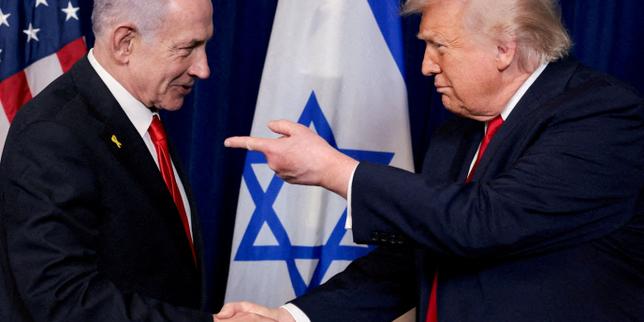
We're witnessing a rare tactical divergence between Washington and Jerusalem.
The Trump administration wants a clean, historic foreign policy win. Reopening the Strait of Hormuz, stabilizing global oil prices, and forcing Iran into rigid nuclear inspections under a tight 60-day window looks great for the White House. Vice President JD Vance and Secretary of State Marco Rubio are pushing hard to transform relationships in the region through economic leverage and maritime security frameworks involving Oman and Qatar.
But Israel’s clock is ticking differently. They know that once a final US-Iran treaty is signed, the international pressure on Israel to permanently halt military operations will become overwhelming.
Therefore, the current surge in Israeli airstrikes isn't happening despite the peace talks—it's happening because of them. Israel is running out of time to break the spine of Hezbollah’s military apparatus before international diplomacy freezes the front lines in place.
What Happens Next
Don't expect the bombs in Lebanon to stop just because a press release comes out of Islamabad or Doha. If you want to know when the fighting will actually cool down, ignore the high-level US-Iran text and watch these concrete indicators instead:
- The Vetting of the LAF: Watch whether the United States successfully deploys its promised funding and training modules to the Lebanese Armed Forces in the south. Until the LAF is physically capable of denying Hezbollah access to the border, the IDF will keep pulling the trigger.
- The Status of the Buffer Zone: Look at the movement of Israeli armor. If the IDF begins consolidating behind the Blue Line (the UN-recognized border), the air campaign will shift from offensive destruction to defensive containment.
- The Strait of Hormuz Leverage: Watch the shipping lanes. Iran has already threatened to remount its maritime blockade in protest of ongoing Israeli strikes in Beirut and the south. If Iran chokes off oil transits again, the US will be forced to choose between pressuring Israel to stop or returning to a direct shooting war with Tehran.