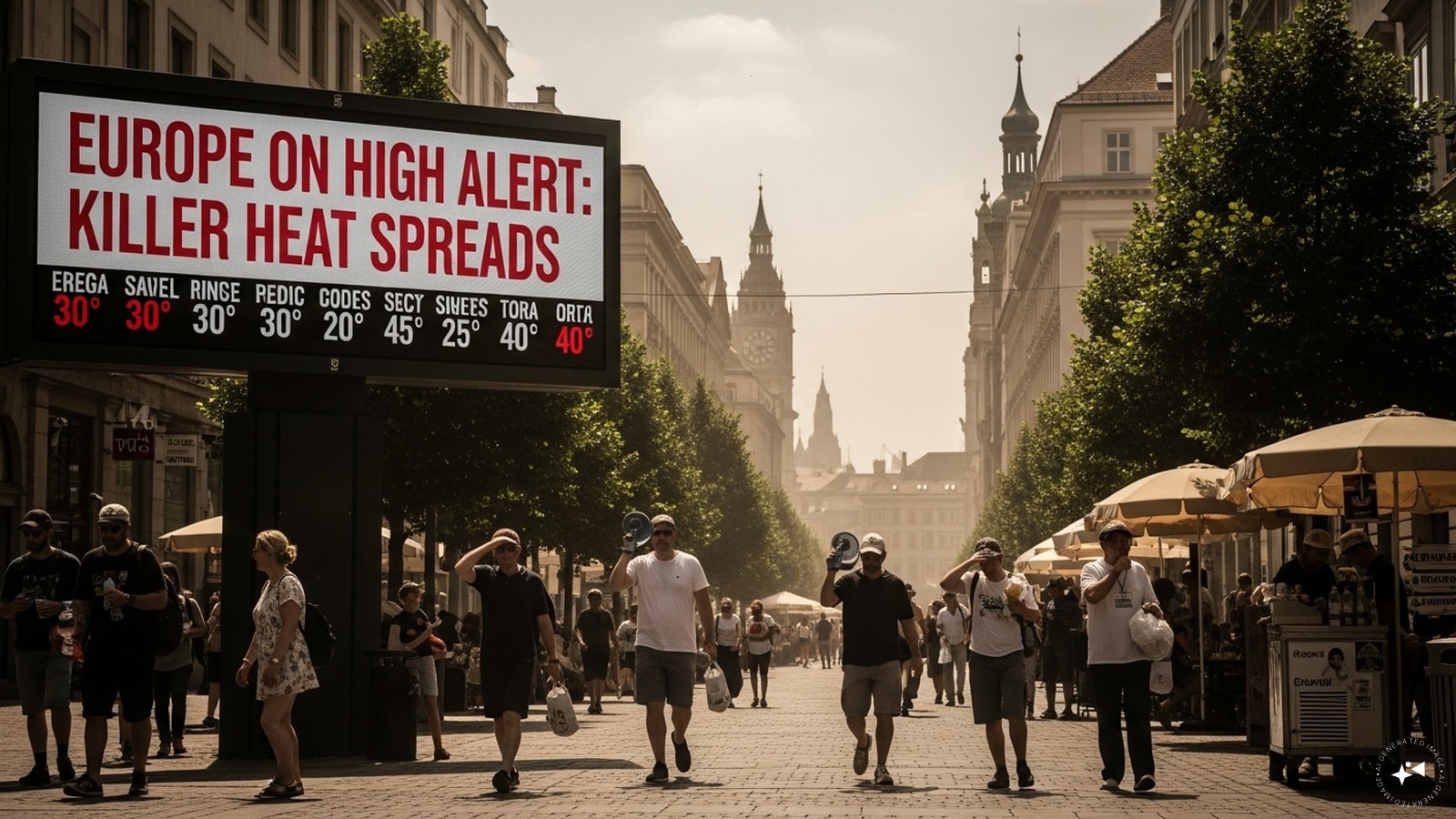
The heat isn't just coming. It's already here, pounding on our doors and melting our asphalt. If you think we can just crank up the air conditioning and go about our day, you're dead wrong. That's a trap.
When it comes to living in a warming world, our current survival strategies are broken. We're relying on fixes that actually make the planet hotter in the long run. We need immediate, practical action that protects human lives right now without destroying the ecosystems that keep us alive. It's a tricky balance, but it's entirely doable if we stop chasing flashy tech fantasies and look at what actually works on the ground.
People look for answers online because they're scared. They want to know how to keep their families safe during a 45-degree heatwave. They want to know why their electricity bills are skyrocketing and whether their city will be habitable in a decade. The honest answer is that survival requires a massive shift in how we build, how we work, and how we cool ourselves.
The massive mistake we make when living in a warming world
Look at how most modern cities handle an extreme heatwave. People run indoors and blast the air conditioning. It feels great for the individual. It saves lives in the short term. But on a broader scale, it's a disaster.
Air conditioning units are heat dumps. They suck warmth out of your living room and spit it straight into the street. This creates a vicious cycle known as the urban heat island effect. On top of that, most cooling systems run on electricity generated by burning fossil fuels. We're literally burning coal and gas to protect ourselves from the heat caused by burning coal and gas.
The Intergovernmental Panel on Climate Change explicitly warns against this kind of response. Experts call it maladaptation. It's a short-term band-aid that poisons the future. If our primary solution to extreme weather causes more extreme weather, we're trapped in a doom loop.
We must find ways to cool down without breaking the power grid or cooking the neighborhood next door. That means shifting our focus toward passive cooling and smarter urban design.
Simple fixes that don't require power
You don't need a multi-million dollar tech startup to cool a city down. Some of the most effective strategies are incredibly low-tech and cheap.
Take the concept of cool roofs. It's an old trick that we stupidly forgot. By painting roofs with a specialized reflective white coating, buildings bounce away up to 80% of sunlight. Standard dark roofs absorb that energy and radiate it into the home all night long.
A project in Ahmedabad, India, proved how powerful this is. The city implemented a Heat Action Plan after a devastating heatwave in 2010. They painted thousands of low-income household roofs white. The result was an immediate drop in indoor temperatures by as much as 2 to 5 degrees Celsius. That minor drop keeps people out of emergency rooms. It saves lives for the cost of a few cans of paint.
Then there's the power of shade. Planting trees isn't just about making a neighborhood look pretty. It's basic infrastructure.
- Evapotranspiration: Trees act like natural air conditioners by releasing moisture into the air.
- Canopy coverage: Mature trees block the sun from baking concrete sidewalks and roads.
- Equality: Poorer neighborhoods consistently have fewer trees and higher temperatures than wealthy ones. Fixing this tree gap is a matter of basic survival.
Using the Miyawaki forest method, cities can grow dense, native mini-forests in tiny urban spaces. These pockets of nature grow ten times faster and become thirty times denser than traditional plantations. They create instant cooling zones in the middle of concrete jungles.
Bringing back ancient architectural wisdom
Before modern electricity, humans lived in scorching deserts for thousands of years without dying of heat stroke. They managed this through brilliant architectural engineering. We need to steal their ideas.
In places like Iran and North Africa, traditional buildings used windcatchers. These are tall, hollow towers built on top of structures. They catch the breeze high above the ground, funnel the cool air down into the living space, and push the hot air out.
Other cultures used thick mud brick or adobe walls. These materials have high thermal mass. They absorb heat during the blistering day, keeping the inside cool, and then slowly release that heat during the freezing desert night.
Instead of building glass-and-steel greenhouse towers that require massive cooling plants, modern architects need to look backward. Shading windows, utilizing natural cross-ventilation, and choosing local materials with better insulation properties can reduce a building's cooling needs dramatically.
Changing the rhythm of daily life
Survival isn't just about modifying physical structures. We have to change our habits and our systems.
The idea of the nine-to-five workday is terrible for a heating planet. Forcing construction workers, agricultural laborers, or delivery drivers to work outdoors during the peak solar hours of 1 p.m. to 4 p.m. is dangerous. It leads to kidney failure, heat stroke, and death.
We need to formalize the siesta model in hot regions. Work should start at dawn, pause during the dangerous midday heat, and resume in the cooler evening. This requires policy changes and legal protections for laborers.
Early warning systems are another non-negotiable tool. The World Health Organization notes that simple text alerts warning vulnerable citizens about upcoming heat spikes allow neighbors to check on the elderly, stock up on water, and avoid strenuous activity. These systems cost almost nothing to operate but drastically reduce hospital admissions.
Your immediate action plan for heat adaptation
Waiting for governments to redesign your city isn't an option. You can take immediate steps to protect your home and your community without worsening the environmental crisis.
First, look at your windows. Internal blinds help, but once the sun hits the glass, the heat is already inside. Install external shutters, awnings, or even temporary shade cloths on the outside of your sun-facing windows. This blocks the thermal energy before it penetrates your living space.
Second, ditch the pavement. If you have a concrete backyard or a paved driveway, you're contributing to the local heat trap. Replace whatever concrete you can with grass, gravel, or groundcover plants.
Third, organize your neighborhood. Figure out who among your neighbors lives alone, doesn't have access to cooling, or is elderly. Create a communication tree for the next major heatwave. True resilience is social, not mechanical.
Stop waiting for a perfect technological savior. The solutions that save lives without wrecking the planet are already right in front of us. We just need to start using them.