You think of the cloud as a silent, invisible digital filing cabinet floating somewhere in the sky. It isn't. The cloud is a massive, concrete structure filled with thousands of roaring servers, giant industrial cooling fans, and diesel backup generators. Residents in southeastern Wisconsin just learned this the hard way, and they aren't staying quiet about it.
Three residents from Sturtevant, Wisconsin, just filed a federal class-action lawsuit against Microsoft. The complaint, landed in the U.S. District Court for the Eastern District of Wisconsin, claims the tech giant's newly operational Fairwater Data Center in neighboring Mount Pleasant is making their lives miserable. They say the facility throws out an excessive, unrelenting hum that ruins their sleep, destroys their ability to enjoy their backyards, and tanks their property values.
The lawsuit aims to represent over 1,000 households living within a 1.5-mile radius of the complex. It highlights a massive, growing tension in the tech world. Tech companies are racing to build massive facilities to power artificial intelligence, but local communities are getting stuck with the immediate fallout.
The Reality of Living Next to an AI Superfactory
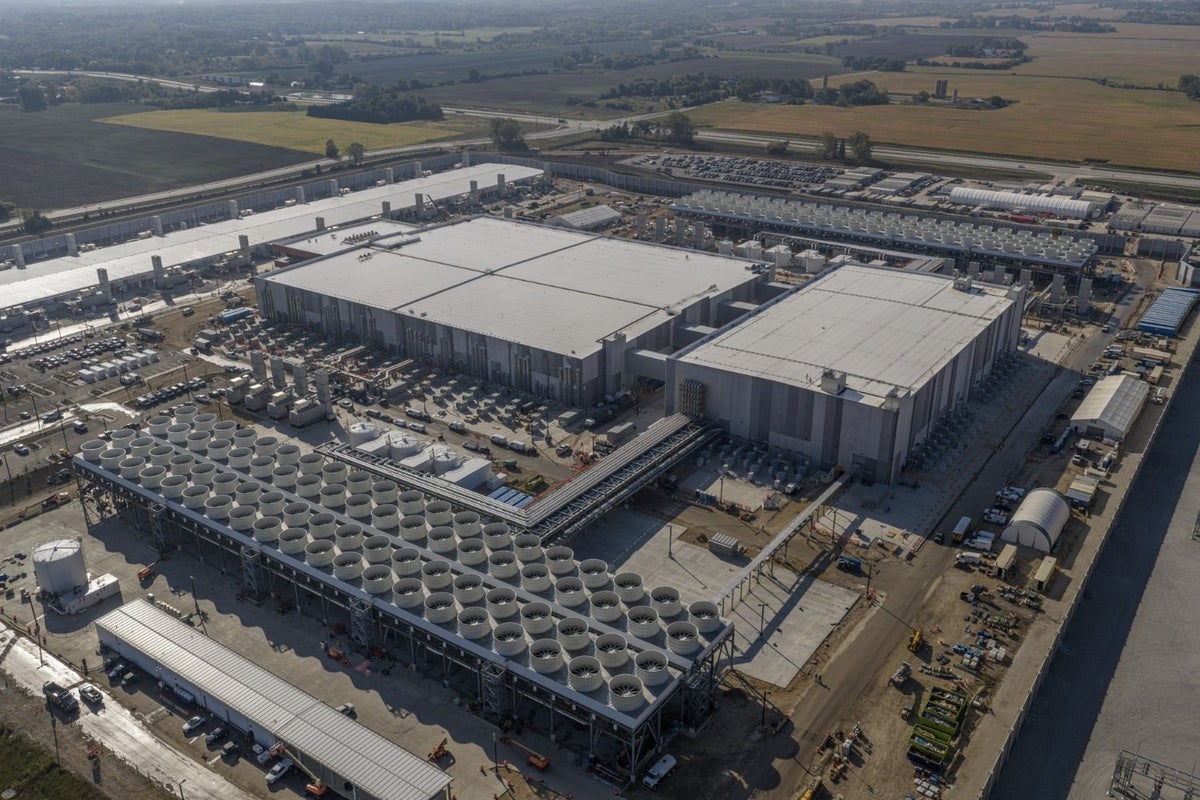
Big tech infrastructure isn't invisible. The Fairwater Data Center is the first phase of a massive $4.7 billion campus spanning 315 acres. Microsoft calls this place an "AI superfactory." Right now, it consists of three buildings totaling 1.2 million square feet.
To keep all those artificial intelligence processors from overheating and melting down, the facility relies on massive, high-speed industrial cooling fans. That's where the trouble starts for the neighbors.
Garret Ostergaard, one of the plaintiffs in the lawsuit, says the constant noise completely disrupted his life. According to court documents, the noise forced him to upend his entire life and switch from working the third shift to the second shift because the daytime roaring made sleep impossible. His neighbors, David and Joy Wade, say the constant drone ruined their ability to spend any peace-and-quiet time outside.
Microsoft acknowledged the problem earlier this year. In a corporate update published in April, the company admitted that bringing the equipment online caused a "tonal humming sound" that traveled much farther into the community than they ever expected. They blamed the noise on cooling fans running at high speeds during the initial startup phase. While Microsoft claims they put mitigation measures in place and manually tweaked fan speeds to drop the volume, the newly filed federal lawsuit shows the neighbors believe those fixes fell way short.
Why This Fight is Happening Everywhere Right Now
The situation in Mount Pleasant isn't an isolated incident. Look across the country and you'll see the exact same battle playing out in dozens of small towns.
- Mississippi: Residents recently took legal action against Elon Musk's xAI over near-constant industrial noise from a server site.
- New Jersey: Multiple townships recently moved to completely ban data center construction after furious pushback from local neighborhoods.
- Missouri: One town council approved a major server farm development, and a week later, angry voters literally voted out half the council members in response.
An environmental analysis from Clean Wisconsin revealed that the Mount Pleasant site, combined with another facility under construction nearby, will pull more electrical energy than every single household in the entire state combined. That is an astronomical amount of power, and all that electricity generates heat that must be blown out into the atmosphere by loud fans.
Tech giants usually arrive in town promising huge economic wins, massive investments, and local tax revenues. What they don't mention in the glossy brochures is the physical reality of living next door to a massive utility operation. The immediate local downsides hit the neighbors instantly, while the promised abstract benefits take years to trickle down.
What to Do If a Tech Facility Moves Near Your Neighborhood
If you find out a massive server campus is planned near your community, you don't have to just sit back and take it. You can protect your peace and your property value by taking immediate action.
Start by examining the local zoning laws and noise ordinances right away. Tech companies often push for fast tracking or special exemptions. Show up to town hall meetings and demand that local officials require strict decibel limits, acoustic barriers, and mandatory independent noise monitoring as a condition for approval.
Document everything if a facility is already making noise near you. Download a calibrated decibel meter app or buy a cheap sound level meter to record readings at different times of the day and night. Keep a detailed log of how the sound alters your daily life. Gather your neighbors to approach the company as a unified group, and if the corporation refuses to fix the issue permanently, consult a local environmental attorney to discuss your legal options before your property value drops.